SC to hear petitions on CEC Gyanesh Kumar's unilateral power today
Synopsis
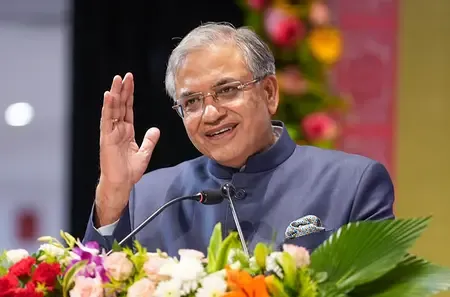
The Supreme Court is set to hear a petition that could force a structural rethink of how India's Election Commission operates. At its core: did CEC Gyanesh Kumar act unilaterally on at least 14 decisions — from electoral roll access to West Bengal tribunal appeals — without the consent of his two fellow Commissioners? The answer could redraw the lines of power inside the ECI.
Key Takeaways
The Supreme Court will on 5 October 2026 hear petitions questioning whether CEC Gyanesh Kumar has been exercising ECI powers unilaterally.
A bench of CJI Surya Kant , Justice Joymalya Bagchi , and Justice V.
Mohana is listed to take up the matter.
The petition invokes Article 324 of the Constitution and Section 18 of the EC Act, 2023 , both of which mandate collective decision-making.
Election Commissioners Sukhbir Singh Sandhu and Vivek Joshi allegedly filed at least 14 written objections between October 2025 and August 2026 .
Disputed decisions reportedly include changes to Form 6 , access to electoral roll databases, unapproved foreign travel, and West Bengal tribunal appeals.
The ECI has denied any institutional rupture, calling internal objections a standard feature of a multi-member body.
The Supreme Court is scheduled on Monday, 5 October 2026, to hear petitions challenging whether Chief Election Commissioner (CEC) Gyanesh Kumar can unilaterally exercise powers that the Constitution designates for the entire Election Commission of India (ECI) as a collective body. The case raises fundamental questions about the institutional integrity of India's premier poll authority ahead of a politically sensitive election cycle.
The Bench and How the Matter Came Up
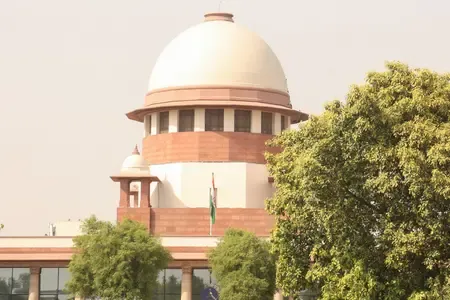
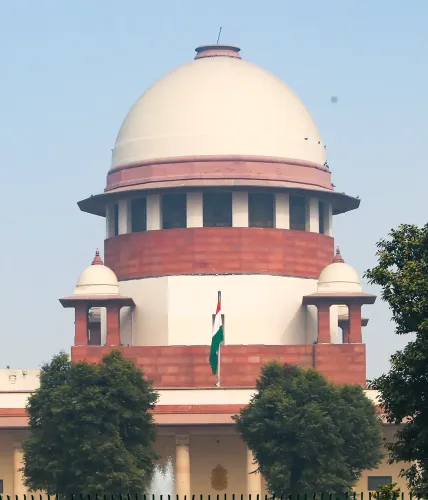
A three-judge Bench comprising Chief Justice of India (CJI) Surya Kant, Justice Joymalya Bagchi, and Justice V. Mohana is listed to take up the matter, according to the apex court's official cause list. The case was mentioned before the CJI on 29 September by senior advocate Vikas Singh, who sought an early hearing. The CJI responded: 'List it next week', setting the stage for Monday's proceedings.
What the Petitions Argue
The plea contends that Article 324 of the Constitution vests superintendence, direction, and control of elections in the 'Commission' — not in the individual Chief Election Commissioner. It further invokes Section 18 of the Chief Election Commissioner and Other Election Commissioners (Appointment, Conditions of Service and Term of Office) Act, 2023, which mandates collective decision-making and majority rule in cases of disagreement.
Specifically, the petition seeks a writ in the nature of quo warranto — a legal instrument that challenges the authority under which an official has acted — alongside a declaration that ECI powers cannot be exercised or represented as acts of the full Commission without following the constitutional and statutory framework.
14 Objections Filed by Two Election Commissioners
The petition relies on written communications and file notings attributed to Election Commissioners Sukhbir Singh Sandhu and Vivek Joshi, who reportedly recorded at least 14 objections between October 2025 and August 2026. According to the plea, these objections concern decisions and steps allegedly taken in the name of the ECI without the approval of the full Commission.
The disputed actions, as detailed in the petition, include communications and orders issued without collective approval, the absence of agendas before and minutes after meetings, foreign travel undertaken without approval, changes to Form 6, access to the electoral roll database, and the filing of appeals before tribunals in West Bengal. The two Commissioners also reportedly raised concerns over the 'gradual centralisation of the electoral roll database' and changes in the work allocation of the ECI's IT establishment.
What the Election Commission Has Said
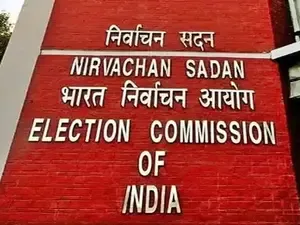
The ECI, for its part, has maintained that the reported differences between the Commissioners do not amount to an institutional 'rupture'. Officials have indicated that internal objections and written notes are established mechanisms within any multi-member constitutional body, and that the commission continues to function within its mandate.
Why This Case Matters
This is not merely a procedural dispute — it goes to the heart of how India's electoral machinery is governed. If the Supreme Court finds merit in the petition, it could compel a structural reset of how the ECI takes decisions, with implications for ongoing and future electoral exercises. Notably, the 2023 Act governing the appointment and service conditions of Election Commissioners was itself challenged before the Supreme Court, and the present case adds a fresh layer to unresolved questions about the ECI's collegial character. How the Bench responds — even at the admission stage — will be closely watched by constitutional law experts and political parties alike.
Frequently Asked Questions
What is the Supreme Court petition against CEC Gyanesh Kumar about?
The petition challenges whether Chief Election Commissioner Gyanesh Kumar can exercise powers vested by the Constitution in the full Election Commission of India without the collective approval of all Commissioners. It seeks enforcement of the collegial decision-making framework under Article 324 and Section 18 of the 2023 EC Act.
Which bench will hear the CEC Gyanesh Kumar case on 5 October?
A three-judge bench comprising Chief Justice of India Surya Kant, Justice Joymalya Bagchi, and Justice V. Mohana is listed to hear the matter, as per the Supreme Court's official cause list for 5 October 2026.
What are the 14 objections filed by Election Commissioners Sandhu and Joshi?
Election Commissioners Sukhbir Singh Sandhu and Vivek Joshi reportedly recorded at least 14 objections between October 2025 and August 2026 over decisions allegedly taken without their approval. These include orders issued without collective consent, changes to Form 6, access to electoral roll databases, foreign travel without approval, and filing of tribunal appeals in West Bengal.
What is a quo warranto writ, and why is it being sought here?
A writ of quo warranto is a legal remedy that challenges the authority under which a public official has acted or holds a position. In this case, it is being sought to question the legal basis on which the CEC has reportedly acted in the name of the entire Election Commission without collective authorisation.
What has the Election Commission of India said about the dispute?
The ECI has maintained that the reported differences between the Commissioners do not amount to an institutional rupture. It has indicated that internal objections and written notes are standard mechanisms within a multi-member constitutional body and that it continues to function within its mandate.