Shiv Sena (UBT) Accuses Centre of Political Vendetta Post Kejriwal Acquittal
Synopsis
In a fierce critique of the Centre, the Shiv Sena (UBT) claims the discharge of Kejriwal and others is emblematic of a broader political vendetta. This editorial reveals deep concerns about the misuse of investigative agencies in India’s political landscape.
Key Takeaways
The Shiv Sena (UBT) challenged the Centre's actions as politically motivated.
The court's discharge of Kejriwal and others is seen as a significant judicial rebuke.
Allegations of misuse of investigative agencies have been emphasized.
Demands for accountability from government leaders have been made.
Concerns about the implications for democracy and civil liberties are highlighted.
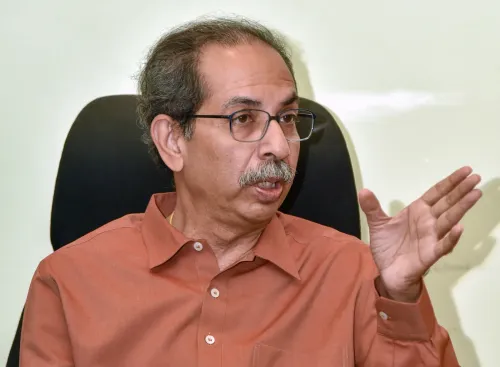
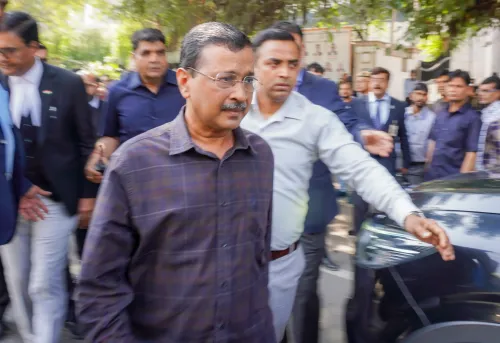
Mumbai, February 28 (NationPress) The Shiv Sena (UBT) has vehemently criticized the Centre, asserting that the acquittal of Arvind Kejriwal, Manish Sisodia, and 23 others by the Rouse Avenue District Court regarding the purported liquor policy scandal represents a stinging rebuke to what they label as the political vendetta of the Union government.
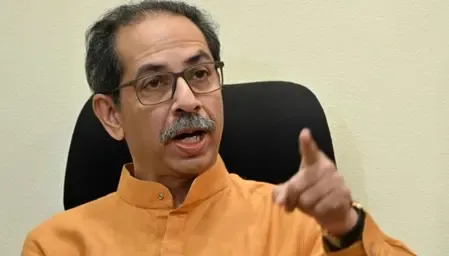
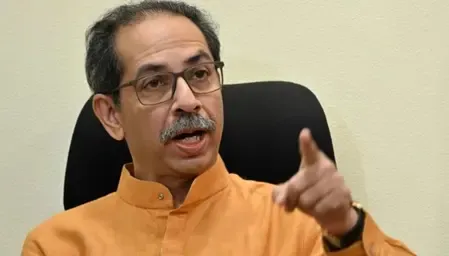
In a forceful editorial in their publication, Saamana, the party led by Uddhav Thackeray stated that the court had directly admonished the Central Bureau of Investigation (CBI), indicating that the claims against Kejriwal and his associates were fundamentally baseless.
The editorial accused central investigative bodies like the ED and CBI of adopting a malevolent demeanor, attributing this transformation to prior judicial inaction.
It also asserted that some members of the BJP leadership, along with specific Chief Ministers, including Devendra Fadnavis, were running “torture camps” that blatantly flouted constitutional norms, with these agencies serving as mere tools of political power.
Furthermore, the editorial claimed the case was a “conspiracy” orchestrated by a “quartet” comprising the Delhi Lieutenant Governor, the ED, the CBI, and the Ministry of Home Affairs. The motivations behind this were attributed to the BJP's failure to secure electoral victories in Delhi and the vocal dissent expressed by Kejriwal and Sisodia against the party.
The editorial emphasized the significant personal impact on the accused, highlighting that Kejriwal and his associates endured systematic harassment and were deprived of basic necessities, such as medications, during their incarceration.
Comparing the situation to authoritarian regimes, the editorial noted that labeling political rivals as “corrupt” and detaining them through investigative agencies without due process echoes tactics reminiscent of countries like Russia and certain Islamic states.
“While the investigative agencies tightened their grip on Kejriwal and Sisodia, today, that very grip has ensnared the CBI itself. The BJP's celebration of Kejriwal’s arrest as a “victory of truth” has now backfired, as the court's acquittal has placed the CBI in the spotlight,” the editorial stated.
The editorial also referenced other instances of alleged misuse of power, noting that leaders in Maharashtra, such as Chhagan Bhujbal, Anil Deshmukh, Nawab Malik, and Sanjay Raut, were apprehended in politically motivated cases. It claimed that leaders like Ajit Pawar, Hasan Mushrif, and Praful Patel were allegedly pressured to switch parties through threats from the ED, only to be “cleansed” once they aligned with the BJP. Many ministers from the Shinde group were reportedly under ED scrutiny, but now they “sleep peacefully” after supporting the BJP.
In light of the court's ruling, the faction led by Uddhav Thackeray has demanded an apology from Prime Minister Modi and Home Minister Shah to Kejriwal.
Moreover, they called for legal action against the CBI officials responsible for what they termed a “fraudulent” investigation. “Had the courts intervened against these 'rampant demons' earlier, the proliferation of the BJP's 'torture camps' would not have escalated to this degree,” the editorial concluded.
The editorial ended with a powerful assertion that practices once associated with authoritarian regimes are now evident in what they described as a “Hindu Rashtra,” alleging a systematic, state-sponsored assault on political adversaries.
Point of View
Raising questions about the integrity of investigative agencies in India. It reflects a broader concern about the politicization of law enforcement and the implications for democracy and civil liberties.
NationPress
7 Oct 2026
Frequently Asked Questions
What was the court's ruling regarding Kejriwal and others?
The Rouse Avenue District Court discharged Arvind Kejriwal, Manish Sisodia, and 23 others, stating that the allegations against them lacked merit.
What does Shiv Sena (UBT) claim about the Centre's actions?
Shiv Sena (UBT) claims the Centre's actions represent a political vendetta aimed at undermining their leadership and influence.
How does the editorial compare current events to authoritarian regimes?
The editorial draws parallels between current practices in India and tactics used in authoritarian regimes, highlighting the labeling of political opponents as corrupt.
What demands did Shiv Sena (UBT) make following the court's decision?
They demanded that Prime Minister Modi and Home Minister Shah apologize to Kejriwal and called for legal action against CBI officers involved in the investigation.
What implications does this situation have for democracy in India?
The situation raises significant concerns regarding the independence of investigative agencies and the potential erosion of democratic principles in India.