Kerala HC restores dissolved Milma board, quashes govt order
Synopsis
In a pointed rebuke of executive overreach, the Kerala High Court's Division Bench has declared illegal the state government's dissolution of the elected Milma Thiruvananthapuram board — originally justified by allegations over Sabarimala ghee supply — and ordered its immediate restoration. The ruling raises broader questions about state interference in elected cooperative bodies.
Key Takeaways
The Kerala High Court Division Bench on 4 November 2026 quashed the government's order dissolving the Milma Thiruvananthapuram Regional Co-operative Milk Producers' Union board.
The 25 July order by the Director of Dairy Development was declared illegal; the elected board must be immediately reinstated.
The dissolution had been triggered by alleged irregularities in the supply of ghee to Sabarimala .
Mani had denied all irregularities, saying ghee was packed in sealed 15-kg tins and met all prescribed quality standards.
An earlier single-judge verdict dismissing the board's petition was also overturned by the Division Bench, comprising Justice Dr A.K.
Jayasankaran Nambiar and Justice A.K.
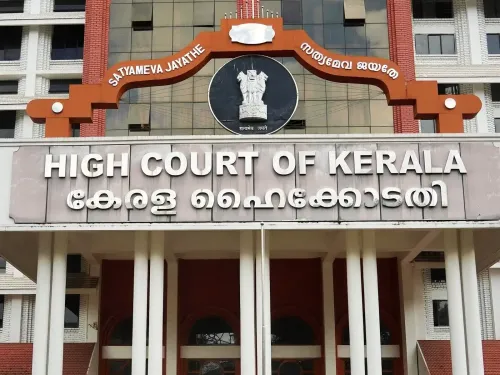
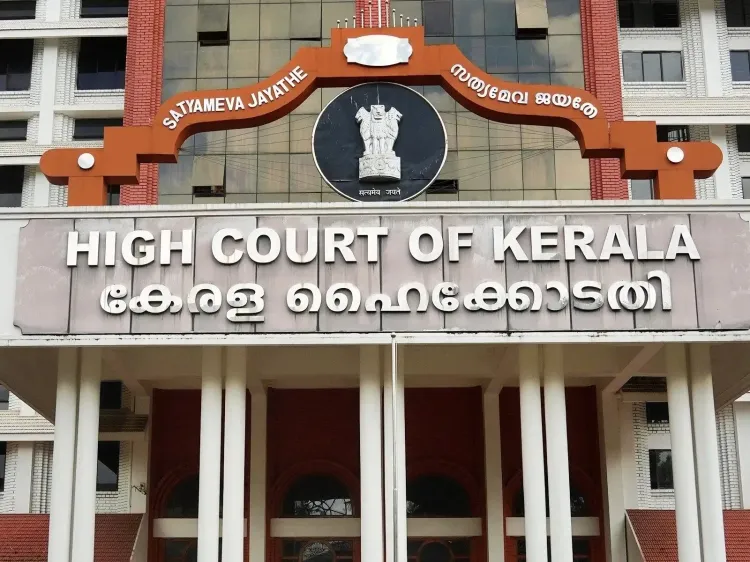
The Kerala High Court on Wednesday, 4 November 2026, dealt a significant legal blow to the Pinarayi Vijayan-led Kerala government by quashing its order dissolving the elected board of directors of the Milma Thiruvananthapuram Regional Co-operative Milk Producers' Union and directing its immediate reinstatement. The Division Bench declared the 25 July order issued by the Director of Dairy Development illegal, overturning the appointment of an administrative committee in place of the elected board.
What the Court Ruled
The Division Bench, comprising Justice Dr A.K. Jayasankaran Nambiar and Justice A.K. Preetha, allowed an appeal filed by the Union President and other office-bearers, reversing an earlier single-judge verdict that had declined to interfere with the government's decision. The court held that dissolving the elected board and replacing it with an administrative committee was legally untenable.
The original government order had cited alleged irregularities, including those relating to the supply of ghee to the Sabarimala temple, as the basis for disbanding the elected body.
The Sabarimala Ghee Controversy
The dissolution came in the wake of allegations of irregularities in the distribution of ghee to the Sabarimala shrine — a politically and religiously sensitive matter in Kerala. The Kerala Co-operative Milk Marketing Federation (Milma) had, however, mounted a strong public defence of its operations. On 3 August, Milma maintained that there was no lapse in its supply and that only premium-quality ghee meeting prescribed standards was dispatched.
Milma Chairman K.S. Mani had stated that the ghee underwent stringent quality checks before dispatch and was packed in fully sealed 15-kg tins, ruling out the possibility of tampering during transit. Mani had also noted that Milma received no official communication from the Devaswom authorities about any quality complaints and had received full payment for the supply. He further said that any replacement of Milma ghee with substandard products after delivery would amount to a serious offence, and those responsible should face legal action.
Legal and Administrative Context
The case traversed two judicial tiers before the Division Bench's ruling. The office-bearers first challenged the dissolution before a single judge, who dismissed their petition and allowed the government action to stand. The appellants subsequently escalated the matter to the Division Bench, which has now overturned both the government order and the single-judge verdict.
Notably, the government's move to dissolve an elected cooperative board — citing alleged operational irregularities — has drawn scrutiny as an exercise of executive authority over democratically constituted cooperative structures. Critics argue that such interventions risk undermining the autonomy of elected cooperative bodies.
What Happens Next
With the Division Bench verdict in force, the elected board of the Milma Thiruvananthapuram Regional Union must be restored immediately. The government may choose to challenge the ruling before a larger bench or the Supreme Court. The verdict is likely to have wider implications for how state governments interact with elected cooperative boards across Kerala, where the cooperative dairy sector is both economically significant and politically sensitive.
Point of View
Yet remain perpetually vulnerable to executive action when political calculations intersect with operational disputes. Invoking Sabarimala ghee irregularities — a charged religious flashpoint — as grounds for dissolving an elected dairy board was always going to invite judicial scrutiny. The single judge's deference to the executive has now been emphatically corrected by the Division Bench. The larger question is whether this ruling will deter future administrative overreach against cooperative boards in the state, or merely shift the pressure to other legal avenues.
NationPress
4 Nov 2026
Frequently Asked Questions
What did the Kerala High Court rule on the Milma Thiruvananthapuram board?
The Kerala High Court's Division Bench declared illegal the government's 25 July order that dissolved the elected board of the Milma Thiruvananthapuram Regional Co-operative Milk Producers' Union and directed its immediate reinstatement. The court also overturned an earlier single-judge verdict that had upheld the dissolution.
Why did the Kerala government dissolve the Milma Thiruvananthapuram board?
The government dissolved the board citing alleged irregularities, including those related to the supply of ghee to the Sabarimala temple. The Director of Dairy Development issued the order on 25 July, replacing the elected board with an administrative committee.
What was Milma's response to the ghee irregularity allegations?
Milma denied any lapse, with Chairman K.S. Mani stating on 3 August that the ghee met all prescribed quality standards, was packed in sealed 15-kg tins, and that the federation had received no official complaints from Devaswom authorities. He also noted that full payment had been received for the supply.
Who are the judges that delivered the Division Bench verdict?
The Division Bench comprised Justice Dr A.K. Jayasankaran Nambiar and Justice A.K. Preetha of the Kerala High Court.
What are the implications of this ruling for Kerala's cooperative sector?
The ruling reaffirms that elected cooperative boards cannot be dissolved by executive order without sufficient legal grounds. It sets a precedent that may constrain future state government interventions against democratically constituted cooperative bodies, with potential implications for the broader cooperative dairy sector in Kerala.