Amit Shah chairs Gorkhaland talks in Darjeeling, BJP and GJM seek permanent solution
Synopsis
For the first time since the BJP came to power in West Bengal with GJM backing, Home Minister Amit Shah has convened a multi-party meeting in Darjeeling to address the decades-old Gorkhaland demand. With a 'double engine' government in place and all six hill seats won by BJP, the political stars are unusually aligned — but the constitutional road to any permanent solution remains formidable.
Key Takeaways
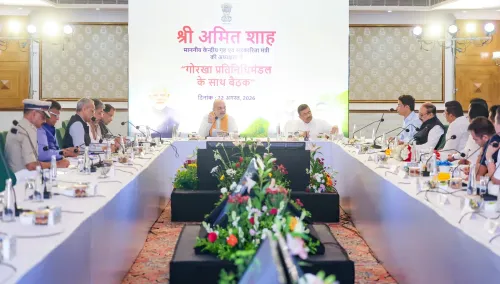
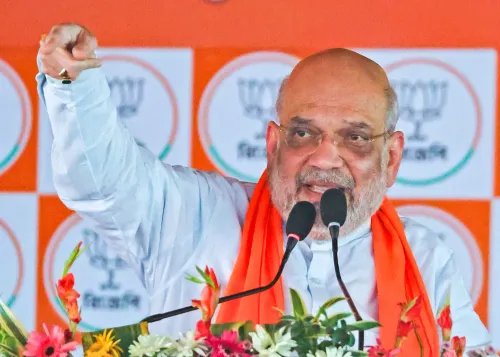
Home Minister Amit Shah chaired a meeting on 22 August at Sukna near Siliguri to discuss a permanent political solution for the Bengal hills.
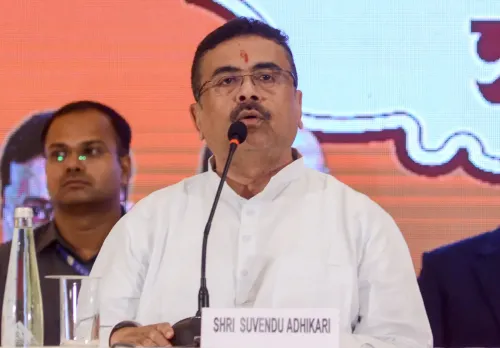
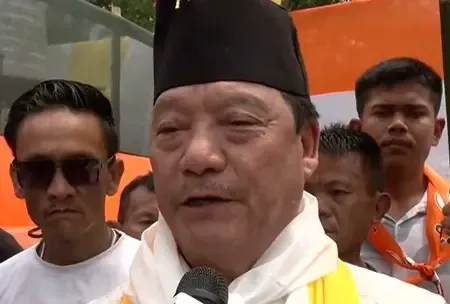
Attendees include West Bengal CM Suvendu Adhikari , BJP MP Raju Bista , GJM president Bimal Gurung , GJM general secretary Roshan Giri , and GNLF president Man Ghisingh .
The BJP, backed by the GJM, won all six Assembly seats in Darjeeling and Kalimpong districts in the 2026 West Bengal elections .
Agenda includes the Gorkhaland demand, teacher appointments, tea gardens, transport, and Gorkhaland Territorial Administration (GTA) issues.
The Gorkhaland statehood demand has remained unresolved through decades of Left Front and TMC rule in West Bengal.
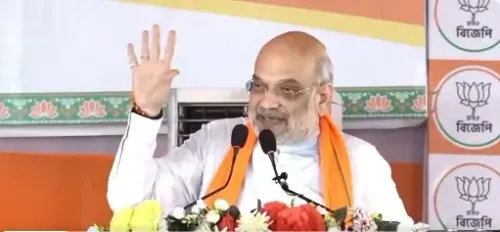
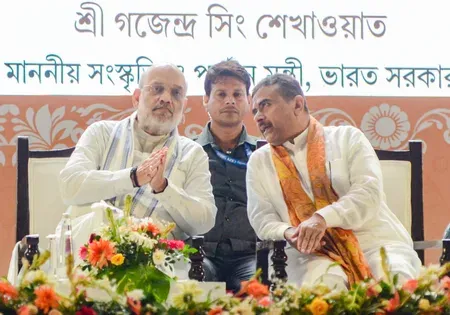
Union Home Minister Amit Shah on Saturday, 22 August chaired a high-stakes meeting at a resort in Sukna, near Siliguri in Darjeeling district, to deliberate on a permanent political resolution for the hill regions of Darjeeling, Kurseong, and Kalimpong. The gathering brings together key political figures from the Centre, the state, and the hills — marking one of the most significant attempts in recent years to address the long-festering Gorkhaland demand.
Key Stakeholders at the Table
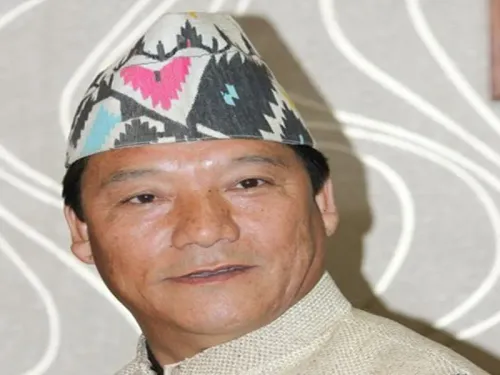
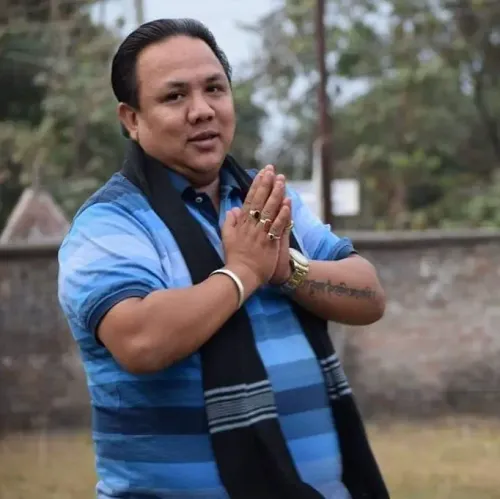
West Bengal Chief Minister Suvendu Adhikari, Bharatiya Janata Party (BJP) Lok Sabha member from Darjeeling Raju Bista, and the three BJP legislators from the hill Assembly constituencies — Noman Rai (Darjeeling), Bharat Kumar Chhetri (Kalimpong), and Sonam Lama (Kurseong) — are all in attendance. Gorkha Janmukti Morcha (GJM) president Bimal Gurung and GJM general secretary Roshan Giri are also present, as is Man Ghisingh, current president of the Gorkha National Liberation Front (GNLF) and son of the late GNLF founder-president Subash Ghisingh.
Why This Meeting Matters
The demand for a separate Gorkhaland state has roiled the Bengal hills for decades, with successive state governments — both the Left Front and the All India Trinamool Congress (TMC) — failing to broker a lasting settlement with hill-based political parties. The conflict has periodically erupted into agitations, strikes, and political instability across the region. This is the first time a meeting of this scale has been convened since the BJP formed the state government in West Bengal, backed significantly by the GJM's electoral support.
The GJM played a decisive role in the 2026 West Bengal Assembly elections, with BJP candidates — backed by the GJM — sweeping all six Assembly seats in Darjeeling and Kalimpong districts. That electoral arithmetic has given the hill parties renewed leverage and, they argue, a genuine opening for resolution through a 'double engine' government — BJP-led at both the Centre and the state.
Build-Up to Saturday's Talks
Last month, Gurung and Giri travelled to Kolkata and held a roughly 90-minute meeting with Chief Minister Adhikari at the Public Works Department ground tent, with Transport Minister Arjun Singh also present. Following that meeting, Gurung expressed cautious optimism, stating that the political problem in the hills would be resolved through structured discussions with both the central and state governments.
What Is on the Agenda
Beyond the overarching question of a permanent political solution, Saturday's discussions are expected to cover a range of pressing local issues: the appointment of teachers in hill schools, the condition of tea gardens, the transport infrastructure, and unresolved matters related to the Gorkhaland Territorial Administration (GTA). The GTA, set up in 2012 as an autonomous body to administer the hills, has itself been a source of political friction and administrative deadlock.
What Comes Next
No formal outcome has been announced as of the time of reporting. Political observers note that while the 'double engine' framing creates political goodwill, the structural question of Gorkhaland statehood remains constitutionally complex and historically contentious. The results of Saturday's deliberations are likely to shape the trajectory of hill politics in West Bengal for the near term.
Point of View
And a visible peace process is the return on that investment. But 'permanent solution' is a phrase that has been used before in the hills, most notably around the GTA's 2012 formation, which itself became a source of fresh grievance. The real test is whether Saturday's talks produce a verifiable roadmap or another round of managed ambiguity that defers the core question of statehood to a future date.
NationPress
6 Oct 2026
Frequently Asked Questions
What is the Amit Shah Darjeeling meeting about?
Home Minister Amit Shah chaired a meeting on 22 August at Sukna near Siliguri to explore a permanent political solution for the Bengal hill regions of Darjeeling, Kurseong, and Kalimpong. The talks also cover local issues including teacher recruitment, tea gardens, transport, and the Gorkhaland Territorial Administration.
Who attended the Darjeeling hills meeting on 22 August?
Key attendees include West Bengal Chief Minister Suvendu Adhikari, BJP MP Raju Bista, GJM president Bimal Gurung, GJM general secretary Roshan Giri, GNLF president Man Ghisingh, and the three BJP MLAs from Darjeeling, Kalimpong, and Kurseong constituencies.
What is the Gorkhaland demand?
Gorkhaland is a long-standing demand by Gorkha communities in the Darjeeling hills for a separate state carved out of West Bengal. The movement has been active for decades, led at various times by the GNLF and later the GJM, and has resulted in repeated agitations and political standoffs with successive state governments.
What is the Gorkhaland Territorial Administration (GTA)?
The GTA is an autonomous administrative body set up in 2012 to govern the Darjeeling hills as a compromise measure short of full statehood. It has since been a source of political friction and is one of the issues on the agenda at Saturday's meeting.
Why are GJM leaders optimistic about a solution now?
The GJM backed the BJP in the 2026 West Bengal elections, helping the party win all six hill Assembly seats. With a BJP government now in place at both the Centre and the state — what leaders call a 'double engine' government — GJM president Bimal Gurung has expressed hope that the political conditions are finally right for a lasting resolution.