Amit Shah lauds Naxal-affected Divyangs' rehabilitation in Chhattisgarh under Seva Sankalp Abhiyan
Synopsis
Home Minister Amit Shah unveiled a sweeping rehabilitation scorecard for Naxal-hit Chhattisgarh — 8,526 surrenders, 48,526 Aadhaar cards, and a landmark plan to turn 500+ former security camps into development centres. The Seva Sankalp Abhiyan moment signals the Centre is pivoting from counter-insurgency to reconstruction in Bastar.
Key Takeaways
Home Minister Amit Shah addressed a Seva Sankalp Abhiyan ceremony for Naxal-affected Divyangs in Chhattisgarh via video conferencing on 15 October 2026 .
Approximately 8,526 Naxalites have surrendered; 455 have received jobs, 782 incentive amounts, and 129 have been allotted land.
More than 500 security camps are to be converted into development centres offering health, education, employment, and welfare services.
48,526 Aadhaar cards issued; 2,014 houses given under Pradhan Mantri Awas Yojana ; 670 bridges under construction.
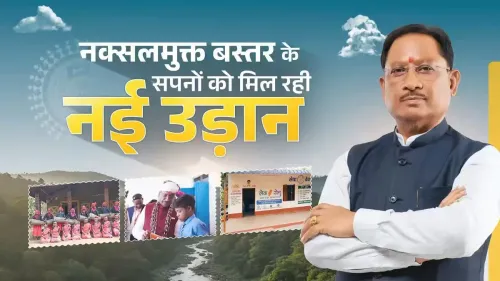
Shah credited the Bastar Olympics and revival of tribal art and culture as markers of the region's transformation from conflict to normalcy.
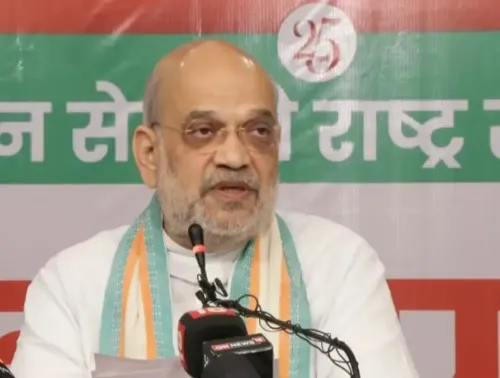
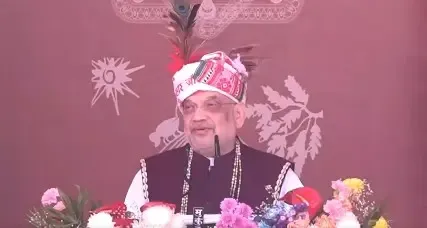
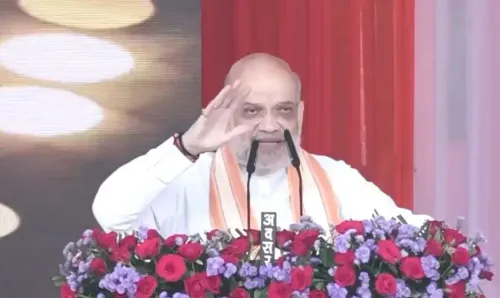
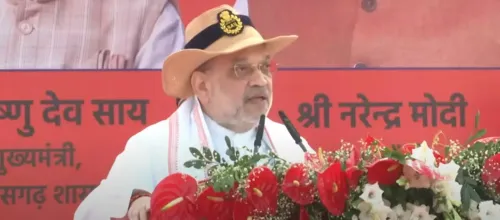
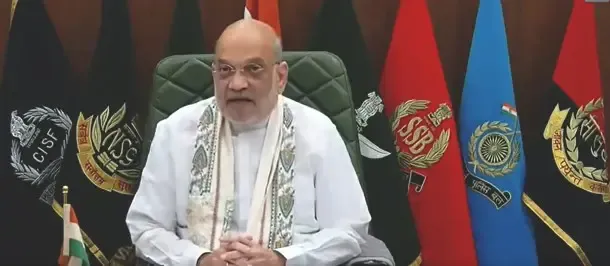
Union Home Minister Amit Shah on Thursday, 15 October 2026, addressed a rehabilitation ceremony for Naxal-affected persons with disabilities in Chhattisgarh via video conferencing, reaffirming the Centre's commitment to healing decades of wounds inflicted by Left-Wing Extremism (LWE). The event was held under the Seva Sankalp Abhiyan, organised to mark 25 years of Prime Minister Narendra Modi's public service as both Chief Minister and Prime Minister of India.
What the Seva Sankalp Abhiyan Covers
The Seva Sankalp Abhiyan is being run across the country as a nationwide service initiative. In Chhattisgarh, the programme specifically targets tribal communities whose members became persons with disabilities — Divyangjan — due to Naxal violence, including those who lost limbs, developed hearing impairments, or lost their eyesight. The campaign arranges prosthetic limbs, hearing aids, and other assistive devices to help them lead independent lives.
'On the completion of 25 years as Head of Government by Prime Minister Narendra Modi, such Seva Sankalp Abhiyans are being run across the country. I am delighted that under this, tribals in Chhattisgarh who suffered disabilities due to Naxalism are being provided with prosthetics,' Shah said while addressing the Naxal-affected beneficiaries.
Rehabilitation by the Numbers
Providing a detailed account of rehabilitation efforts, Shah said approximately 8,526 Naxalites have surrendered so far. Bank accounts have been opened for nearly 7,500 persons who previously had none. Incentive amounts have been disbursed to 782 persons, jobs provided to 455 persons, and land allotted to 129 persons.
Under the Pradhan Mantri Awas Yojana, houses have been given to 2,014 families. Skill-development training has been imparted to more than 2,300 tribal youth. Nearly 6,700 new ration cards have been issued, 2,800 families have received free electricity connections, 372 new road projects have been initiated, and 670 bridges are currently under construction. Aadhaar cards have been issued to 48,526 people, and several panchayats have been recognised for outstanding performance.
Security Camps to Be Converted into Development Centres
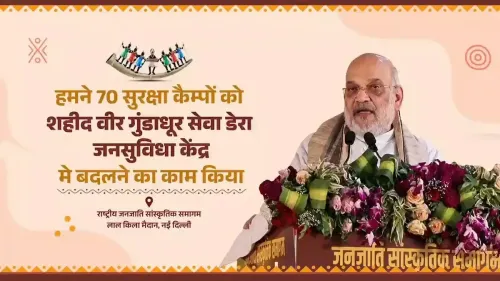
In a significant policy shift, Shah announced that more than 500 security camps set up in earlier years would gradually be converted into development centres. 'The very places where our security forces once sat to protect you will now house officers of the Government of India and the Government of Chhattisgarh. From these centres, they will look after children's health, ensure education, create employment opportunities for youth, purchase forest produce from tribals at fair prices, and arrange free foodgrain distribution,' he said.
He expressed confidence that once these public-service centres become fully functional, the resolve to take Bastar forward will be fulfilled.
Bastar's Cultural Revival and the Road Ahead
Shah recalled his visit to the Bastar Olympics, noting the transformation of a region once dominated by the sound of guns into one where thousands of young men and women now participate in sports and keep their rich tribal traditions alive. He cited the revival of tribal art and culture in Bastar as a major effort to reconnect communities with their roots.
Highlighting the human dimension of recovery, Shah referenced a beneficiary's account shared on social media: 'After three years, I am now able to lift a glass with my own hand and drink water by myself.' The Home Minister said hearing this filled his heart with joy.
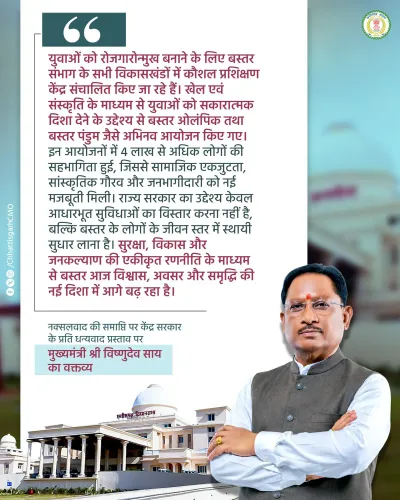
Shah acknowledged that the end of Naxalism does not erase the suffering endured over five decades, stressing that the government must make sustained efforts to help affected people rebuild their lives with dignity. He thanked the Chief Minister and Deputy Chief Minister of Chhattisgarh for organising the programme, and extended gratitude to associate institutions from Jaipur for their contribution in providing artificial limbs and other assistive devices.
Point of View
526 surrenders — reveal a yawning gap between disarmament and genuine economic reintegration. If the new development centres replicate the delivery bottlenecks that have historically plagued tribal welfare schemes, the goodwill generated by prosthetics and Aadhaar cards will erode quickly. The Bastar test is not whether the guns have fallen silent, but whether the state can fill that silence with credible livelihoods.
NationPress
15 Oct 2026
Frequently Asked Questions
What is the Seva Sankalp Abhiyan and why was it held in Chhattisgarh?
The Seva Sankalp Abhiyan is a nationwide service initiative organised to mark 25 years of Prime Minister Narendra Modi's public service as Chief Minister and Prime Minister. In Chhattisgarh, the programme specifically identifies tribal persons with disabilities caused by Naxal violence and provides them with prosthetic limbs and other assistive devices.
How many Naxalites have surrendered in Chhattisgarh so far?
According to Home Minister Amit Shah, approximately 8,526 Naxalites have surrendered in Chhattisgarh to date. Of these, 455 have been given jobs, 782 have received incentive amounts, and 129 have been allotted land.
What will happen to the 500-plus security camps in Chhattisgarh?
Home Minister Amit Shah announced that more than 500 security camps will gradually be converted into development centres. These centres will provide services including children's healthcare, education, youth employment, purchase of forest produce at fair prices, and free foodgrain distribution.
Who are the Divyangs being helped under this programme?
The programme targets tribal community members in Chhattisgarh who became persons with disabilities — referred to as Divyangjan — as a direct result of Naxal violence, including those who lost limbs, developed hearing difficulties, or lost their eyesight. They are being provided prosthetics and other assistive devices.
What development work has been done in Naxal-affected areas of Chhattisgarh?
According to Shah, 2,014 houses have been provided under Pradhan Mantri Awas Yojana, 2,300-plus tribal youth have received skill-development training, 6,700 new ration cards have been issued, 2,800 families have received free electricity connections, 372 road projects have been started, and 670 bridges are under construction.