Amit Shah orders ATRS at all airports, 62 upgrades in 2 years
Synopsis
Home Minister Amit Shah has set a two-year clock on upgrading 62 airports, mandated automation of X-ray tray systems nationwide, and pushed for WhatsApp-based enrolment in the fast-track immigration programme — a sweeping operational overhaul that signals the Centre is treating airport efficiency as a security and economic priority, not just a convenience upgrade.
Key Takeaways
Home Minister Amit Shah on 8 July directed ATRS installation at all Indian airports in a phased manner to cut human resource costs.
Work across all 62 airports — 21 under development and 41 others — must be completed within two years .
Baggage drop facility , currently at 16 major airports , to be extended to high-traffic international airports.
FRRO offices to be made operational at headquarters of all states by 2027 ; immigration checkpoints at Agartala and Jewar airports to be activated at the earliest.
No dilution in CISF educational qualifications for X-ray screening personnel; independent third-party studies ordered during peak travel season.
WhatsApp alerts at ticket booking to promote enrolment in the Fast Track Immigration – Trusted Travellers' Programme (FTI-TTP) .
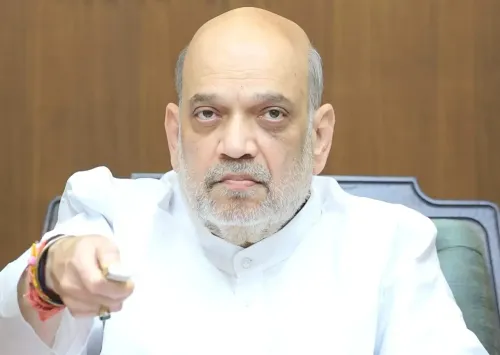
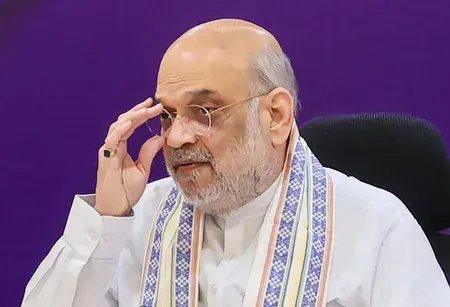
Union Home Minister Amit Shah on Wednesday, 8 July directed that an Automated X-ray Tray Return System (ATRS) be installed at all airports across India in a phased manner, primarily to reduce human resource costs. The directive came after Shah chaired a high-level review meeting with Union Civil Aviation Minister Ram Mohan Naidu Kinjarapu and senior officials to assess passenger facilities, security arrangements, and the immigration system at major airports.
Key Directives on Airport Infrastructure
Shah ordered that appropriate standards be established to mandate ATRS installation at all new airports from the outset. He also called for a comprehensive framework that accounts for the interdependence between entry lanes, check-in counters, security screening lanes, and immigration counters, ensuring that passenger flow is not disrupted at any touch-point.
Among the most significant timelines issued: all work across 62 airports — comprising 21 airports currently under development and 41 remaining airports — must be completed within the next two years. Prioritisation is to be based on passenger traffic, in line with security standards set by the Bureau of Civil Aviation Security (BCAS).
Passenger Convenience Measures
The Home Minister directed that the baggage drop facility, currently available at 16 major airports, be extended to other international airports with high passenger traffic. He also instructed the Ministry of Civil Aviation to lay down norms for the number of aerobridges at all airports, calibrated to passenger and air traffic volumes.
To ease international travel, Shah called for a mechanism — in coordination with airlines — to send a WhatsApp message to passengers at the time of booking an international ticket, prompting them to register for the Fast Track Immigration – Trusted Travellers' Programme (FTI-TTP). This is aimed at popularising the programme and reducing immigration queues.
Security and Screening Standards
Shah was explicit that there should be no dilution in the educational qualifications prescribed for Central Industrial Security Force (CISF) personnel deployed for X-ray screening. He directed that only officers and personnel with the requisite qualifications be assigned to screening duties — a signal that quality benchmarks will not be compromised in the push for automation.
He further directed that the Ministry of Civil Aviation and the CISF independently commission separate third-party studies during the peak travel season to assess and reduce passenger delays at all touch-points across major airports.
Immigration Infrastructure Expansion
On the immigration front, Shah directed that Foreigners Regional Registration Office (FRRO) offices be made operational at the headquarters of all states by 2027. He also called for the authorised immigration checkpoints at Agartala and Jewar airports to be made operational at the earliest.
The meeting was attended by Union Home Secretary Govind Mohan, Director of Intelligence Bureau Mahesh Dixit, Secretary of the Ministry of Civil Aviation Samir Kumar Sinha, Director General of CISF Praveer Ranjan, Chairman of Airports Authority of India Vipin Kumar, and several other senior officials from both ministries. With deadlines now set and inter-ministerial coordination mandated, the coming months will test whether India's airport modernisation push translates from directive to delivery.
Point of View
Technology mandates, and quality guardrails issued in a single sitting. But India has a long history of airport modernisation targets that slip, and the two-year deadline for 62 airports is ambitious given land, procurement, and inter-agency coordination challenges. The insistence on no dilution of CISF screening qualifications even as automation expands is a meaningful safeguard, but it also raises the question of whether the workforce transition plan has been thought through. The FTI-TTP WhatsApp nudge is a low-cost, high-reach idea — but its success depends on airline compliance, which is not guaranteed without regulatory teeth.
NationPress
7 Oct 2026
Frequently Asked Questions
What is the Automated X-ray Tray Return System (ATRS) ordered for Indian airports?
ATRS is a technology system that automatically returns X-ray screening trays to passengers after security checks, reducing the need for manual handling and cutting human resource costs. Home Minister Amit Shah directed its phased installation at all airports in India, with mandatory standards to be set for new airports.
How many airports will be upgraded and by when?
Shah directed that work at all 62 airports — 21 currently under development and 41 others — be completed within two years. Prioritisation will be based on passenger traffic and security standards prescribed by the Bureau of Civil Aviation Security (BCAS).
What is the Fast Track Immigration – Trusted Travellers' Programme (FTI-TTP)?
FTI-TTP is an Indian government programme that allows pre-registered, low-risk international travellers to use dedicated fast-track immigration lanes at airports. Shah directed that airlines send WhatsApp messages to passengers at the time of international ticket booking to encourage enrolment in the programme.
Will CISF screening standards be relaxed as automation increases?
No. Shah explicitly stated there should be no dilution in the educational qualifications required for CISF personnel deployed for X-ray screening, and that only officers with the requisite qualifications be assigned to those duties.
What immigration infrastructure changes were announced?
Shah directed that FRRO offices be made operational at the headquarters of all states by 2027. He also called for authorised immigration checkpoints at Agartala and Jewar airports to be activated at the earliest.