Shekhawat hails Kashi Vishwanath Dham's grand transformation
Synopsis
Union Culture and Tourism Minister Gajendra Singh Shekhawat lauded the Kashi Vishwanath Dham's grand redevelopment on X, framing PM Modi's corridor project inaugurated in December 2021 as a historic act of respect for Sanatan faith, culture, and India's civilisational heritage.
Key Takeaways
Union Culture and Tourism Minister Gajendra Singh Shekhawat posted on 30 September 2026 praising the Kashi Vishwanath Dham redevelopment.
The Kashi Vishwanath Corridor was inaugurated by PM Narendra Modi in December 2021 , after planning began around 2018 .
The project cleared encroachments and created direct, dignified access between the ancient temple and the Ganga's ghats in Varanasi, Uttar Pradesh .
Shekhawat framed the redevelopment as a cultural and civilisational statement, not just an infrastructure project, under the #SevaSankalpAbhiyan campaign.
The government is replicating the corridor model at other pilgrimage centres including Ayodhya and Kedarnath as part of a national heritage tourism push.
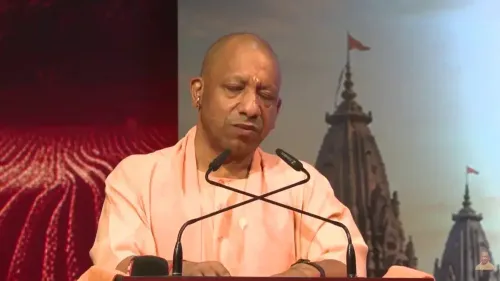
From the ancient lanes of Kashi to the ghats of the Ganga, one of Hinduism's holiest cities is telling a new story — and Union Culture and Tourism Minister Gajendra Singh Shekhawat wants the world to hear it. On Wednesday, 30 September 2026, the senior BJP leader posted on X, invoking the Kashi Vishwanath Dham's redevelopment as a living testament to faith, culture, and civilisational pride under Prime Minister Narendra Modi.
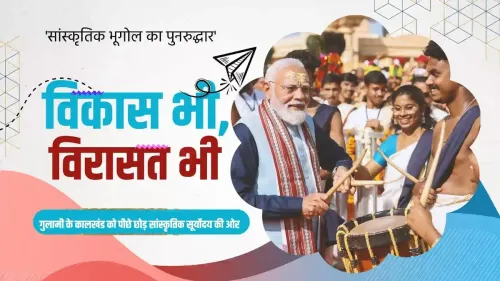
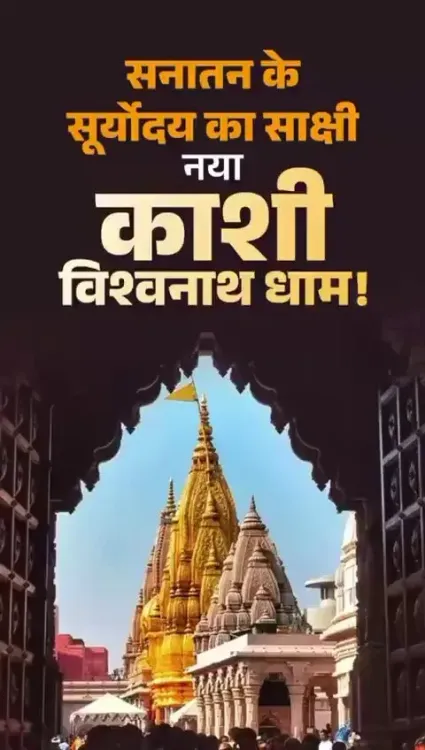
In his post, Shekhawat wrote: 'सनातन की आस्था का केंद्र काशी, आज अपने नए भव्य स्वरूप के साथ सनातन के नए सूर्योदय की गाथा कह रही है' — 'Kashi, the centre of Sanatan faith, today narrates the story of a new dawn of Sanatan Dharma in its magnificent new form.' He described the redevelopment as 'not merely construction, but a living saga of respect for faith, culture, and heritage.'
The corridor that reshaped Varanasi
The Kashi Vishwanath Corridor project — conceived around 2018 and inaugurated by Prime Minister Narendra Modi in December 2021 — fundamentally redesigned the area surrounding one of Hinduism's most sacred shrines. The project cleared centuries of encroachments, created wide walkways between the main temple and the Ganga's ghats, and built new facilities for the millions of pilgrims who visit Varanasi, Uttar Pradesh every year.
Before the corridor, the approach to the Kashi Vishwanath temple wound through narrow, congested lanes that could barely accommodate the crush of devotees. The redevelopment opened up direct, dignified access to the river — restoring a spatial and spiritual connection that had been broken for generations.
Shekhawat's cultural framing under #SevaSankalpAbhiyan
Shekhawat's post was tagged #SevaSankalpAbhiyan, a campaign framing rooted in the BJP's broader outreach around service and cultural nationalism. As Culture and Tourism Minister, Shekhawat has consistently positioned the redevelopment of pilgrimage sites not just as infrastructure upgrades but as acts of civilisational restitution — giving ancient centres of faith the grandeur he argues they deserve.
His reference to the 'divine radiance of Sanatan Dharma growing brighter across the world' signals the government's intent to project these heritage projects internationally — part of a wider push to position India's spiritual geography as a global tourism and soft-power asset.
A template being replicated across pilgrimage India
Kashi is not an isolated case. The central government has moved to replicate the corridor model at other major pilgrimage centres, investing in riverfront development, improved access roads, and visitor infrastructure at sites from Ayodhya to Kedarnath. Each project follows a recognisable logic: link religious significance to economic regeneration, and present the state as custodian of cultural memory.
For Varanasi's tourism sector — which depends on a year-round flow of domestic pilgrims and a growing stream of foreign visitors — the transformation has already redrawn the city's visitor profile. The question that follows every such project: whether the next phases of riverfront and temple-area works will sustain the momentum.
Kashi has always been eternal. The government is betting its grandeur is only just beginning.
Point of View
The BJP converts a public-works project into a cultural identity statement with mass electoral resonance. The Kashi corridor has become the template the party returns to repeatedly — a proof-of-concept it can point to when defending similar investments at Ayodhya or Kedarnath. For the Culture and Tourism Ministry, framing pilgrimage infrastructure as 'heritage respect' also builds a policy rationale for sustained central funding of religious-site redevelopment — a line of spending that commands broad popular support while reinforcing the government's cultural-nationalist credentials ahead of any electoral cycle.
NationPress
30 Sept 2026
Frequently Asked Questions
What is the Kashi Vishwanath Corridor project?
The Kashi Vishwanath Corridor is a large-scale redevelopment project in Varanasi, Uttar Pradesh, that cleared encroachments around the ancient Kashi Vishwanath temple and created wide, accessible walkways connecting the shrine directly to the Ganga's ghats. It was inaugurated by Prime Minister Narendra Modi in December 2021.
When was the Kashi Vishwanath Dham inaugurated by PM Modi?
Prime Minister Narendra Modi inaugurated the Kashi Vishwanath Dham corridor in December 2021. Planning for the project had begun around 2018.
Who is Gajendra Singh Shekhawat?
Gajendra Singh Shekhawat is India's Union Minister of Culture and Tourism and a senior BJP leader. He is a Lok Sabha MP from Jodhpur, Rajasthan.
What is the #SevaSankalpAbhiyan campaign?
#SevaSankalpAbhiyan is a BJP-linked campaign framing party outreach around themes of service and cultural nationalism, under which ministers and leaders highlight development and heritage initiatives.
Is the Kashi Vishwanath Corridor model being replicated elsewhere in India?
Yes. The central government has pursued similar pilgrimage-infrastructure projects at other major religious centres including Ayodhya and Kedarnath, using the Kashi corridor as a template for linking heritage restoration with tourism development.