Shekhawat Meets NE Tourism Ministers at Tawang Mart
Synopsis
At the 14th International Tourism Mart in Tawang, Union Tourism Minister Gajendra Singh Shekhawat held a roundtable with North Eastern state tourism ministers, charting new circuits, connectivity drives, and community-led livelihood strategies to elevate the region globally.
Key Takeaways
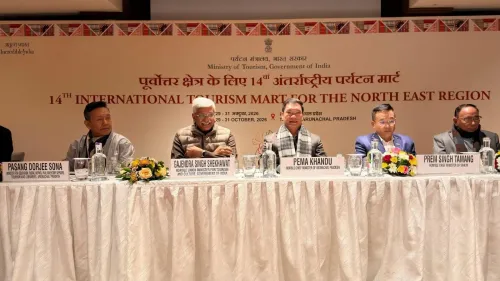
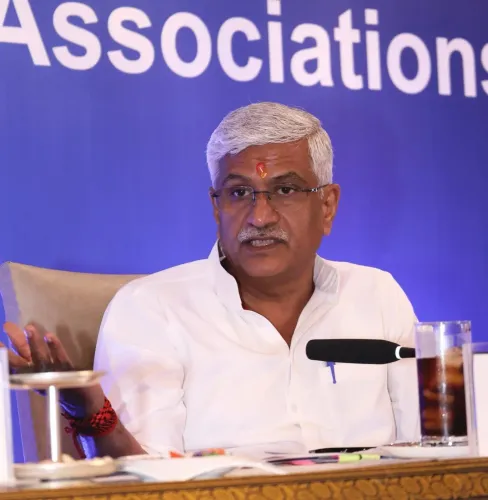
Union Tourism Minister Gajendra Singh Shekhawat chaired a meeting with Tourism Ministers of all North Eastern States on October 30, 2026 .
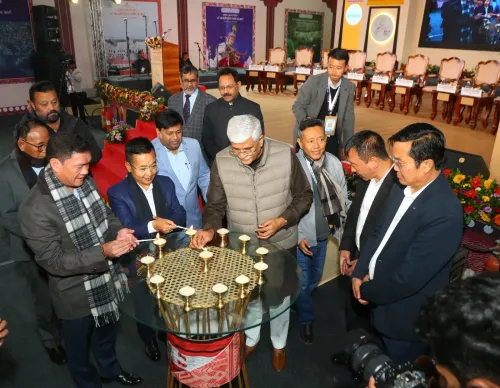
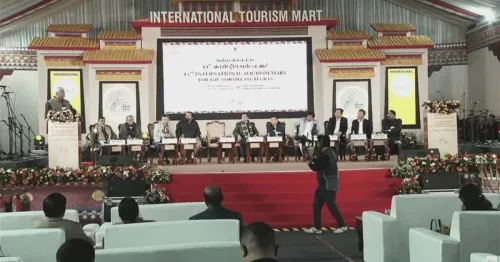
The meeting was held on the sidelines of the 14th International Tourism Mart in Tawang, Arunachal Pradesh .
Agenda included new tourism circuit development, connectivity upgrades, and promotion of lesser-known destinations.
Shekhawat stressed Centre-State coordination , sustainable tourism , and local community participation as livelihood enablers.
The Swadesh Darshan scheme (launched 2014-15 ) and Act East Policy (upgraded 2014 ) form the policy backbone for NE tourism promotion.
State-level rollout of agreed circuits and connectivity improvements will be the key measure of outcomes.
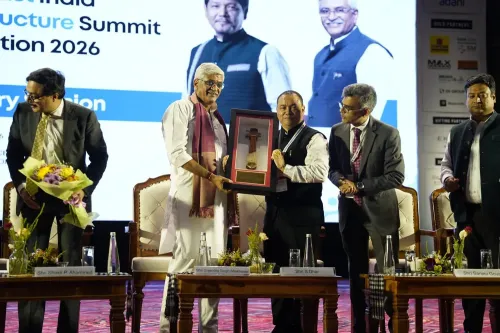
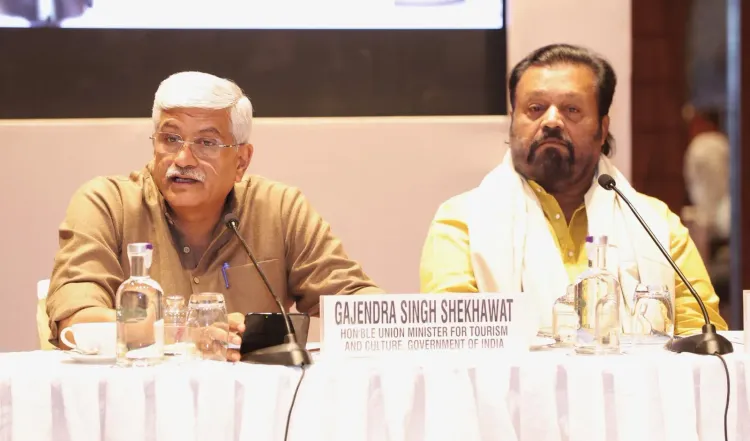
From the heights of Tawang, Arunachal Pradesh, a strategic conversation about India's most underexplored tourism frontier took shape on Friday, October 30, 2026. Union Culture and Tourism Minister Gajendra Singh Shekhawat convened a detailed meeting with Tourism Ministers of all North Eastern States on the sidelines of the 14th International Tourism Mart, pushing hard for a coordinated plan to put the region on the world's travel map.
What the Tawang roundtable covered
The discussions were wide-ranging and action-oriented. Shekhawat and the state ministers focused on unlocking the region's 'immense tourism potential' — from strengthening connectivity and developing new tourism circuits to spotlighting lesser-known destinations that rarely figure in mainstream travel itineraries. The ministers also took stock of structural challenges hampering the sector's growth across the eight northeastern states.
Shekhawat underlined three priorities he called non-negotiable: closer Centre-State coordination, a shift toward sustainable tourism practices, and meaningful participation by local communities — explicitly framing community involvement as a livelihood strategy, not merely an aesthetic one.
The Mart's role in spotlighting the North East
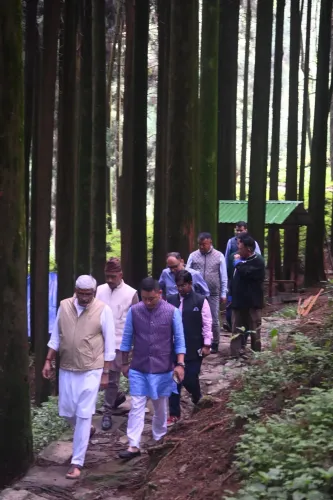
The International Tourism Mart is an annual Ministry of Tourism event designed to drive business-to-business connections and amplify destinations that struggle for visibility in national and global travel markets. The practice of rotating the event through northeastern states is deliberate — each edition turns a fresh spotlight on a town or landscape that might otherwise remain unknown to both domestic and international travellers. Tawang, ringed by Himalayan peaks and home to one of the largest Buddhist monasteries outside Tibet, is precisely the kind of destination the Mart is built to showcase.
Policy roots: Swadesh Darshan and Act East
The push is not new, but it is gathering pace. The Swadesh Darshan scheme, launched in 2014-15, specifically earmarked thematic tourism circuits across the North East, funding trail development, heritage sites, and eco-tourism infrastructure. In parallel, India's Act East Policy — upgraded in 2014 — embedded tourism promotion and connectivity as core planks of its engagement with the northeastern frontier and beyond into Southeast Asia. Together, these two policy streams have given successive central governments a framework for what Shekhawat described at Tawang as a collective commitment to make the North East 'a leading destination on India's and the world's tourism map.'
What comes next for the region's circuits
The immediate test will be whether Friday's roundtable translates into concrete circuit rollouts and connectivity upgrades at the state level. The North East's tourism story has long been one of spectacular promise and patchy execution — thin air links, limited accommodation stock, and under-promoted trails have kept visitor numbers well below potential. The Tawang meeting signals that both the Centre and the states are willing to coordinate more tightly. Whether implementation matches the ambition declared on the Mart's sidelines is the question worth watching.
The North East has the landscapes, the culture, and — increasingly — the political will. Closing the gap between all three is the work that starts now.
Point of View
A town with significant strategic sensitivity near the China border, amplifies a soft-power signal alongside the economic one. The explicit emphasis on community participation and sustainable practices tracks with a broader national pivot away from pure infrastructure-led tourism toward models that can survive scrutiny on ecological and social grounds. The real test of this meeting's worth will arrive when state governments present circuit rollout timelines — the North East has a long history of policy ambition outpacing on-ground delivery.
NationPress
30 Oct 2026
Frequently Asked Questions
What is the International Tourism Mart and why is it held in the North East?
The International Tourism Mart is an annual Ministry of Tourism event designed to promote destinations and facilitate business-to-business interactions in the travel industry. It rotates through northeastern states to spotlight lesser-known destinations and attract domestic and international visitors to the region.
What did Gajendra Singh Shekhawat discuss with North East tourism ministers in Tawang?
Shekhawat discussed strengthening connectivity, developing new tourism circuits, promoting lesser-known destinations, addressing sector challenges, and ensuring sustainable tourism with greater local community participation for livelihood creation.
What is the Swadesh Darshan scheme and how does it relate to North East tourism?
Swadesh Darshan is a central government scheme launched in 2014-15 to develop thematic tourism circuits across India, with several circuits specifically earmarked for the northeastern states covering eco-tourism, heritage, and tribal culture trails.
Why is Tawang significant as a tourism destination in India?
Tawang in Arunachal Pradesh is home to one of the largest Buddhist monasteries outside Tibet, set amid dramatic Himalayan landscapes. It is a flagship destination in the government's push to develop North East India as a major tourism hub.
How does the Act East Policy support tourism in India's North East?
The Act East Policy, upgraded in 2014, includes tourism promotion and connectivity as key components of India's engagement with the northeastern states and Southeast Asia, providing a strategic framework for developing the region as a tourism and economic corridor.