Shekhawat Hails Modi's 'Historic' Northeast Transformation
Synopsis
Union Culture and Tourism Minister Gajendra Singh Shekhawat on 28 May 2026 lauded PM Modi's decade-long push to transform the Northeast through connectivity, infrastructure, tourism, and cultural preservation, calling the changes 'truly historic' after a personal visit to the region.
Key Takeaways
Gajendra Singh Shekhawat described the Northeast's transformation under PM Modi as 'truly historic' in a post dated 28 May 2026 .
The minister highlighted progress across connectivity, infrastructure, tourism, culture, and economic empowerment in the eight-state Northeast region .
The Act East Policy (2014) and schemes such as Swadesh Darshan and PRASHAD (2014-15) form the policy backbone of the Northeast push.
The North Eastern Council , established in 1971, received an expanded mandate and higher allocations after 2014 .
Shekhawat emphasised that development is proceeding while 'preserving the unique identity and heritage' of the region's indigenous communities.
Next Union Budget allocations for Northeast tourism circuits and any new cultural festival announcements are the key milestones to watch.
Union Culture and Tourism Minister Gajendra Singh Shekhawat on Thursday, 28 May 2026, praised the pace of development across India's North Eastern region, describing the changes unfolding under Prime Minister Narendra Modi's leadership as 'truly historic' and spanning connectivity, infrastructure, tourism, culture, and economic empowerment.
Context
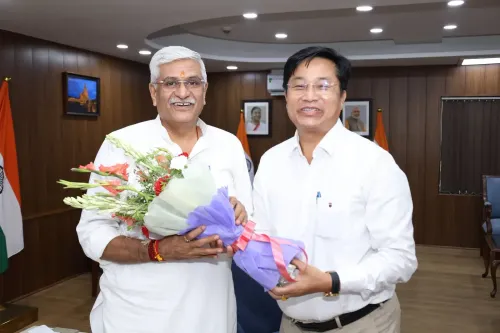
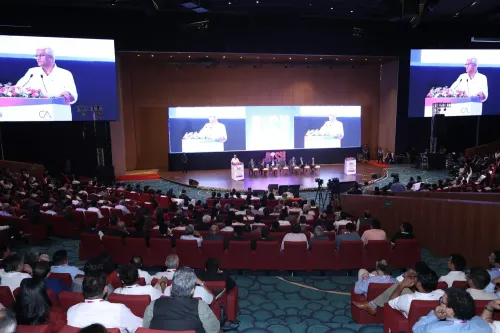
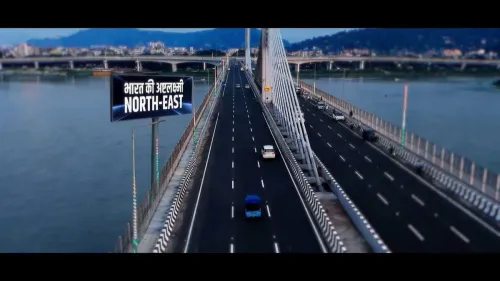
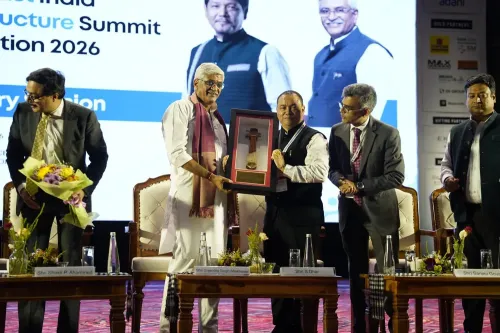
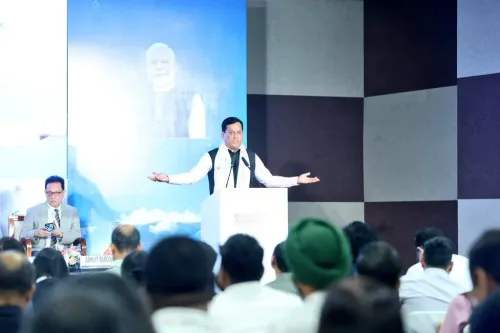
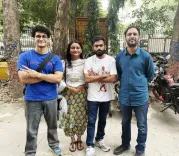
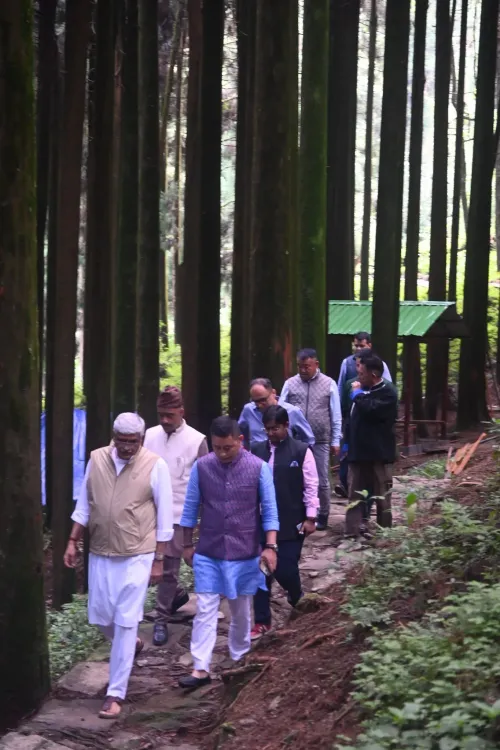
Posting the concluding part of a three-part thread on X, Shekhawat expressed 'heartfelt gratitude' to PM Modi for the opportunity to visit the region and engage with its communities. He credited the Prime Minister's 'unwavering commitment' with bringing the Northeast into 'national and international limelight while preserving its unique identity and heritage.' The post was accompanied by four images from his regional tour.
The minister noted that the Northeast is 'now receiving the attention and recognition it rightfully deserves' — a pointed acknowledgement of decades during which the eight-state region was considered peripheral to mainstream national policy.
Policy Backdrop
The Act East Policy, formally unveiled in 2014, repositioned the Northeast as India's strategic gateway to the ASEAN bloc, underpinning a sustained push for better roads, rail links, airports, and digital connectivity. Parallel cultural and tourism schemes — including Swadesh Darshan and PRASHAD, both launched in 2014-15 — directed dedicated funding toward thematic tourism circuits, eco-tourism, Buddhist heritage sites, and pilgrimage infrastructure across the eight Northeastern states.
The North Eastern Council, a statutory planning body established in 1971, received an expanded mandate and higher budgetary allocations after 2014, reflecting the centre's intent to accelerate project approvals and implementation in the region. Central outlays for the Northeast have risen markedly over the past decade, with new airports, highway corridors, and broadband networks among the visible outcomes.
Stakeholders and Impact
Indigenous and tribal communities across the eight states stand at the centre of this policy push. The government has sought to project festivals, crafts, and heritage on national and global platforms while maintaining constitutional protections such as the Sixth Schedule, which safeguards tribal autonomy in several Northeastern states. This dual emphasis on physical integration and identity preservation has been a consistent thread across multiple central ministries.
Regional tourism operators, hospitality businesses, and local artisans are among the direct economic beneficiaries as footfall to Northeastern destinations grows. Shekhawat's ministerial portfolio — spanning both culture and tourism — positions him as a key driver of this convergence between heritage promotion and livelihood creation.
What's Next
Attention will now turn to the next Union Budget cycle and whether fresh allocations for Northeast tourism circuits or new cultural festival announcements emerge from Shekhawat's ongoing regional engagement. Any follow-up policy announcements or scheme expansions tied to the minister's tour are expected to be watched closely by state governments, tourism stakeholders, and civil society groups in the region. The minister's public messaging signals that the Northeast will remain a visible priority for the Culture and Tourism Ministry in the near term.
Point of View
A recurring BJP talking point on regional equity. His personal visit and three-part social media thread signal that the Culture and Tourism Ministry intends to deepen its Northeast footprint, likely translating into fresh scheme announcements or festival partnerships. The emphasis on identity preservation alongside integration reflects a careful political calibration in a region where tribal autonomy and cultural distinctiveness are deeply sensitive issues.
NationPress
11 Oct 2026
Frequently Asked Questions
What did Gajendra Singh Shekhawat say about the Northeast?
Shekhawat called the transformation of the North Eastern region under PM Modi 'truly historic,' citing progress in connectivity, infrastructure, tourism, culture, and economic empowerment.
What is the Act East Policy and how does it affect the Northeast?
The Act East Policy, formally launched in 2014, positions India's Northeast as the country's strategic gateway to the ASEAN region, driving investment in roads, rail, airports, and digital connectivity across the eight Northeastern states.
What is Swadesh Darshan and does it cover the Northeast?
Swadesh Darshan is a Ministry of Tourism scheme launched in 2014-15 to develop thematic tourism circuits; it includes several circuits focused on Northeast heritage, eco-tourism, and Buddhist sites.
Why is the North Eastern Council important?
The North Eastern Council is a statutory body set up in 1971 to plan and coordinate development across the eight Northeastern states; its mandate and funding were expanded after 2014 to accelerate infrastructure and social projects.
What is Gajendra Singh Shekhawat's role in Northeast development?
As Union Minister of Culture and Tourism, Shekhawat oversees schemes that promote heritage tourism and cultural preservation in the Northeast, and his recent regional visit suggests active ministerial engagement with the area's tourism potential.