Shivraj Singh Chouhan Hails Uttarakhand as Dev Bhoomi
Synopsis
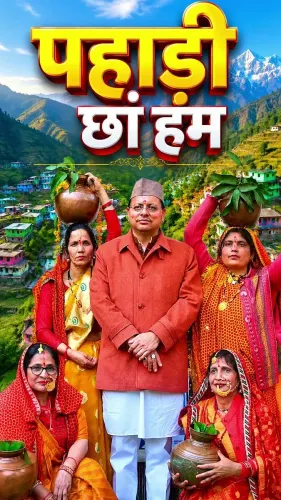
Union Agriculture Minister Shivraj Singh Chouhan on 26 June 2026 hailed Uttarakhand as both Dev Bhoomi and Divya Bhoomi, saying every rock holds Shiva and every stream carries the Ganga, invoking the state's sacred identity during the annual Char Dham Yatra season.
Key Takeaways
Union Agriculture Minister Shivraj Singh Chouhan posted a tribute to Uttarakhand on 26 June 2026 , calling it both Dev Bhoomi and Divya Bhoomi .
He described every particle of the state's soil as a pilgrimage site, every rock as carrying the presence of Shiva , and every stream as an embodiment of the Ganga .
Uttarakhand has carried the Dev Bhoomi designation since statehood in November 2000 and is home to the Char Dham circuit and the origin of the Ganga .
The post was shared during the annual Char Dham Yatra season, when lakhs of pilgrims visit the state's high-altitude shrines.
BJP leaders have consistently used public messaging to reinforce Uttarakhand's sacred identity, aligned with central government investment in pilgrimage infrastructure.
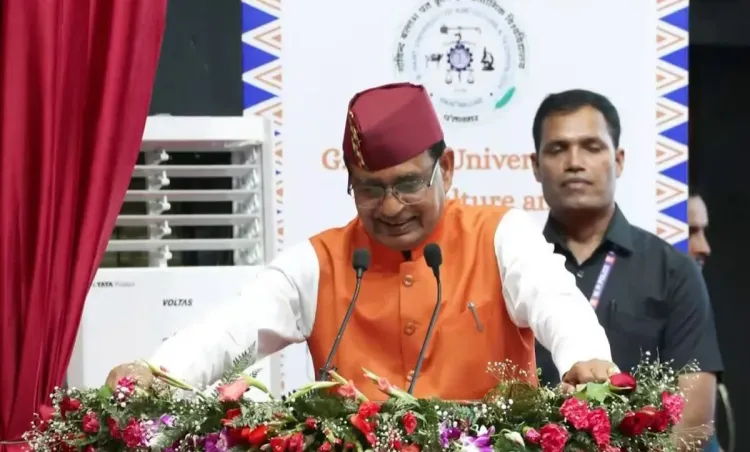
Union Agriculture Minister Shivraj Singh Chouhan on Friday, 26 June 2026, paid a lyrical tribute to Uttarakhand, describing the Himalayan state as both a land of gods and a land of divine grace, in a post shared on his official X account.
In the post, written in Hindi, Chouhan declared: 'Uttarakhand dev bhoomi bhi hai aur divya bhoomi bhi' — 'Uttarakhand is both the land of gods and a divine land.' He went on to say that every particle of its sacred soil holds a place of pilgrimage, every rock resonates with the presence of Shiva, every stream carries the essence of the Ganga, and every mountain embodies ages of spiritual penance.
Context
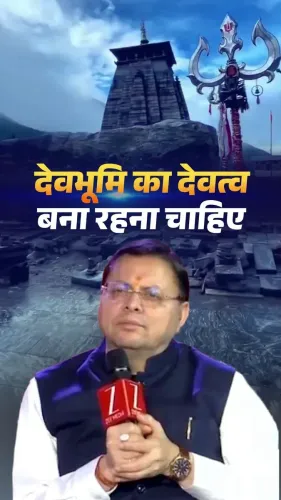
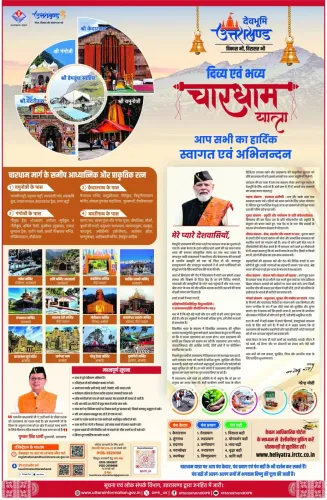
Uttarakhand has carried the official epithet Dev Bhoomi — 'Land of Gods' — since its formation as a separate state in November 2000. The designation reflects the state's extraordinary concentration of Hindu sacred sites, including the Char Dham pilgrimage circuit comprising Gangotri, Yamunotri, Kedarnath, and Badrinath. The Ganga, one of India's holiest rivers, originates at Gangotri Glacier in the state's upper reaches, while Kedarnath is among the twelve Jyotirlingas — the most revered Shiva shrines in Hinduism.
Chouhan's verse-like phrasing — invoking stone, stream, and summit as vessels of the divine — draws directly from a long tradition of Sanskrit devotional literature that personifies Himalayan geography as sacred. The post, accompanied by a video, was shared during the annual Char Dham Yatra season, when lakhs of pilgrims travel to the high-altitude shrines each year.
Policy Backdrop
BJP leaders at the national level have consistently used public communications to foreground the religious and cultural identity of Uttarakhand, aligning messaging with the party's broader emphasis on developing religious tourism infrastructure. The central government has invested significantly in the Char Dham Mahamarg Vikas Pariyojana, a highway project aimed at improving all-weather road connectivity to the four shrines.
Chouhan himself, as a former four-term Chief Minister of Madhya Pradesh, has a long record of invoking cultural and spiritual heritage in public discourse. His current portfolio — Agriculture and Rural Development — has a direct interface with Uttarakhand's rural economy, where agri-tourism and pilgrimage-linked livelihoods are increasingly significant revenue streams for mountain communities.
Stakeholders and Impact
The post speaks most directly to Hindu pilgrims and the Uttarakhand tourism sector, which depends heavily on the annual yatra season for economic activity. Statements of this nature from senior Union Ministers reinforce the state's positioning as a premier spiritual destination and can amplify national attention ahead of policy or infrastructure decisions.
For rural communities in Uttarakhand — many of whom are smallholder farmers and homestay operators — heightened national visibility during the pilgrimage season translates into direct economic opportunity. Chouhan's dual role overseeing both agriculture and rural development makes his engagement with the state's identity particularly relevant to these communities.
What's Next
Observers will watch for follow-up announcements on Char Dham infrastructure upgrades, rural tourism schemes, or agriculture-linked programmes targeting hill communities in Uttarakhand. The yatra season, which runs through the summer and early autumn months, traditionally draws heightened political attention to the state, and senior central government figures frequently use this window to signal policy intent.
As pilgrimage footfall to Uttarakhand continues to grow year on year, the convergence of spiritual branding and rural development policy will remain a defining feature of how the central government engages with India's Himalayan states.
Point of View
The Ganga, and ages of spiritual penance in a single breath, he signals alignment between the party's civilisational narrative and its governance priorities in Himalayan states. For a minister whose portfolio spans agriculture and rural development, the gesture also quietly frames Uttarakhand's mountain communities within a larger cultural economy that the Centre is invested in sustaining. The timing, during the Char Dham Yatra window, ensures maximum resonance with a politically and spiritually engaged audience.
NationPress
25 Sept 2026
Frequently Asked Questions
Why did Shivraj Singh Chouhan post about Uttarakhand?
Chouhan shared a tribute to Uttarakhand on 26 June 2026 during the annual Char Dham Yatra season, invoking the state's identity as Dev Bhoomi and highlighting its sacred rivers, mountains, and Shiva shrines.
What does Dev Bhoomi mean and why is Uttarakhand called that?
Dev Bhoomi means 'Land of Gods.' Uttarakhand has carried this name since its formation in 2000 because it is home to the Char Dham pilgrimage circuit, the origin of the Ganga at Gangotri, and major Shiva shrines including Kedarnath.
What is the Char Dham Yatra?
The Char Dham Yatra is an annual Hindu pilgrimage to four sacred sites in Uttarakhand — Gangotri, Yamunotri, Kedarnath, and Badrinath — drawing lakhs of devotees each year during the summer and early autumn months.
What is Shivraj Singh Chouhan's current role?
Shivraj Singh Chouhan is the Union Minister of Agriculture and Farmers Welfare and Rural Development in the central government. He is a senior BJP leader and former four-term Chief Minister of Madhya Pradesh.
Does the central government have infrastructure projects in Uttarakhand?
Yes, the central government has invested in the Char Dham Mahamarg Vikas Pariyojana, a major highway project aimed at providing all-weather road connectivity to the four Char Dham shrines in Uttarakhand.