Uttarakhand CMO: Development and Heritage Go Hand in Hand
Synopsis
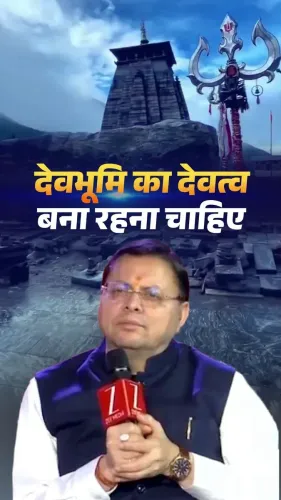
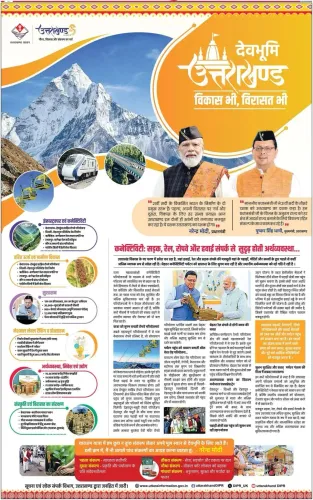
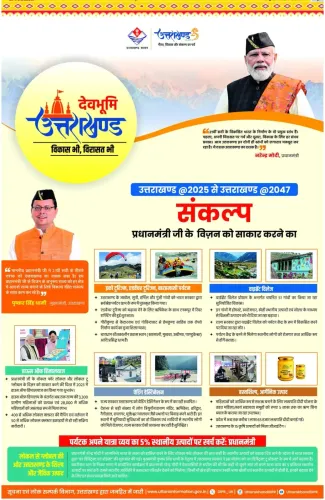
The Chief Minister's Office of Uttarakhand posted the phrase 'Devbhoomi Uttarakhand: Vikas bhi, Virasat bhi' on 31 May 2026, reaffirming the state's dual commitment to infrastructure-led growth and preservation of its Himalayan cultural and religious heritage.
Key Takeaways
The Chief Minister's Office of Uttarakhand posted the slogan 'Devbhoomi Uttarakhand: Vikas bhi, Virasat bhi' on 31 May 2026 .
Uttarakhand is officially called Devbhoomi ('Land of the Gods') and its economy is anchored in pilgrimage tourism and hydropower.
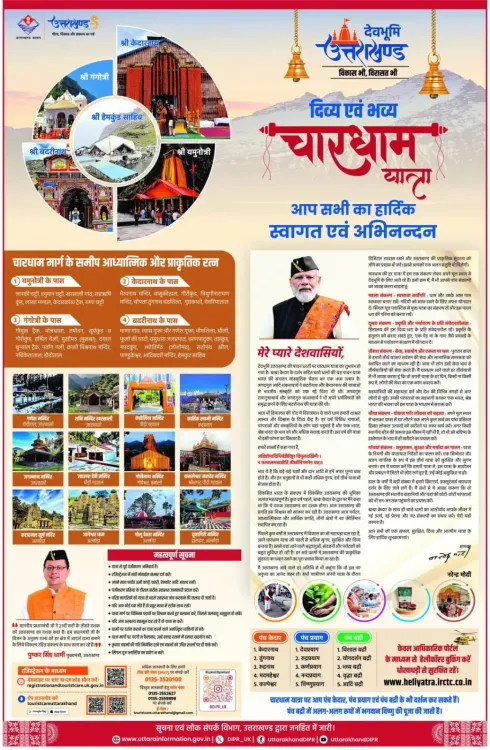
The Char Dham project , launched in 2016 , seeks all-weather road connectivity to Badrinath, Kedarnath, Gangotri and Yamunotri while addressing ecological concerns.
The Uttarakhand Tourism Policy 2018 formalised a sustainable tourism framework balancing infrastructure with cultural preservation.
Local hill communities and the pilgrimage sector are the primary stakeholders affected by this development-heritage balance.
Budget allocations for tourism infrastructure and Char Dham environmental clearances remain key policy indicators to watch.
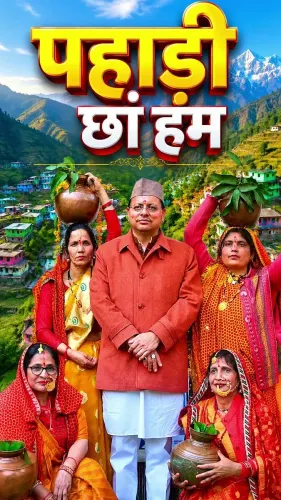
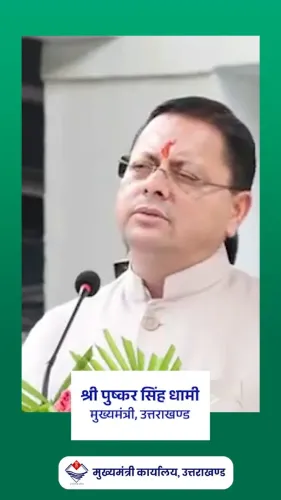
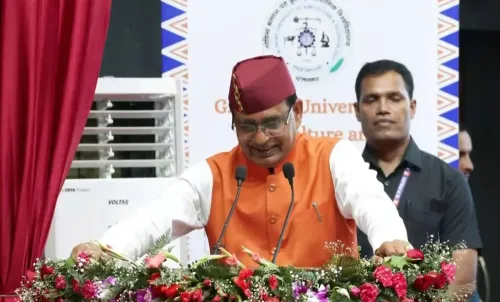
The Chief Minister's Office of Uttarakhand on Sunday, 31 May 2026 reaffirmed the state government's twin commitment to infrastructure-led growth and cultural preservation, posting the phrase 'Devbhoomi Uttarakhand: Vikas bhi, Virasat bhi' ('Uttarakhand, Land of the Gods: Development as well as Heritage') on its official X account.
Context
The post distils what has become a defining slogan for Uttarakhand's governance narrative: that economic progress and the safeguarding of the state's Himalayan cultural identity are not competing goals but complementary ones. Uttarakhand, officially known as Devbhoomi or 'Land of the Gods', draws millions of pilgrims and tourists each year to its shrines, river valleys, and high-altitude trekking routes. The state's economy rests substantially on pilgrimage tourism, hydropower, and agriculture — sectors where infrastructure investment and ecological or heritage sensitivity are in constant tension.
Policy Backdrop
The sentiment echoes the Char Dham project, the flagship road-widening initiative launched in 2016 to improve all-weather connectivity to the four sacred shrines of Badrinath, Kedarnath, Gangotri, and Yamunotri. The project has navigated prolonged debates over environmental clearances and slope stability in fragile Himalayan terrain, with successive state governments arguing that safer roads serve both pilgrims and local communities without compromising the sanctity of the sites. The Uttarakhand Tourism Policy 2018 and its subsequent revisions further codified the 'sustainable tourism' framework, mandating that new infrastructure projects account for the cultural and ecological character of destination zones.
Across the broader Himalayan belt, state governments have consistently framed development spending as an enabler — rather than an adversary — of heritage conservation. This rhetorical and policy alignment mirrors a national-level emphasis visible in multiple pilgrimage-economy states, where road, rail, and ropeway investments are packaged alongside temple corridor beautification and riverfront development.
Stakeholders and Impact
Local communities in Uttarakhand's hill districts stand at the intersection of both priorities: they depend on pilgrim footfall for livelihoods yet bear the direct costs of construction activity — dust, landslide risk, and disruption to traditional land use. The pilgrimage tourism sector, which channels hundreds of thousands of visitors annually through the Char Dham circuit alone, benefits from improved road quality and reduced travel times, while religious trusts and pujari communities have a stake in ensuring that modernisation does not alter the spiritual character of the shrines. Environmental groups and the judiciary have periodically intervened to ensure that ecological safeguards are not traded away in the name of connectivity.
What's Next
Observers will watch the state's upcoming budget allocations for tourism infrastructure and any fresh developments on environmental clearances for pending segments of the Char Dham road project. The CMO's post, brief as it is, signals that the 'development with heritage' framing will continue to anchor official communication and, by extension, policy priorities heading into the next planning cycle. Whether the balance between the two holds in practice will depend on how the state resolves outstanding ecological and community concerns on the ground.
Point of View
Where governments must simultaneously court infrastructure investment and reassure religious communities that modernisation will not erode the spiritual identity that drives tourist footfall in the first place. The timing, ahead of what is typically a busy summer pilgrimage season, suggests the messaging is calibrated to reinforce public confidence in the state's stewardship of the Char Dham circuit. The real test of the slogan's credibility lies in how pending environmental and community disputes on the ground are resolved.
NationPress
14 Oct 2026
Frequently Asked Questions
What does 'Devbhoomi Uttarakhand Vikas bhi Virasat bhi' mean?
It translates to 'Uttarakhand, Land of the Gods: Development as well as Heritage,' and is the Uttarakhand government's official framing that economic growth and cultural preservation are complementary goals.
What is the Char Dham project in Uttarakhand?
The Char Dham project, launched in 2016, is a road-widening initiative to provide all-weather connectivity to the four sacred shrines of Badrinath, Kedarnath, Gangotri, and Yamunotri in Uttarakhand.
Why is Uttarakhand called Devbhoomi?
Uttarakhand is called Devbhoomi, meaning 'Land of the Gods,' because it is home to numerous Hindu pilgrimage sites, including the Char Dham shrines, along the Himalayan range.
What is the Uttarakhand Tourism Policy 2018?
The Uttarakhand Tourism Policy 2018 is a state framework that promotes sustainable tourism by requiring new infrastructure projects to account for the cultural and ecological character of destination zones.
Who runs the official Uttarakhand CMO X account?
The X account @ukcmo is the official social media handle of the Chief Minister's Office of the Government of Uttarakhand.