Shivraj launches VB-G RAM G scheme, promises 125 days of rural work
Synopsis
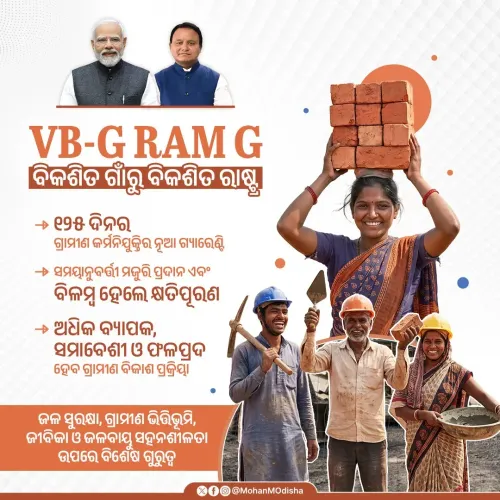
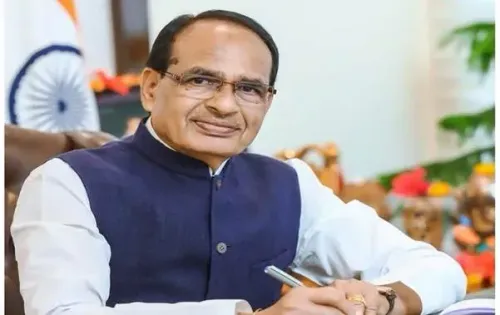
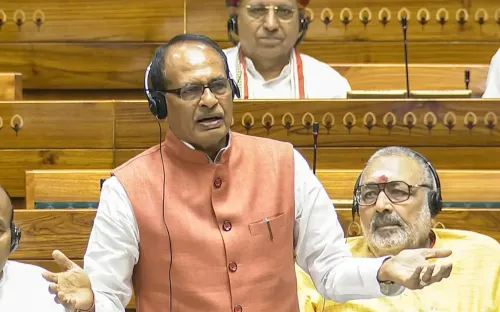
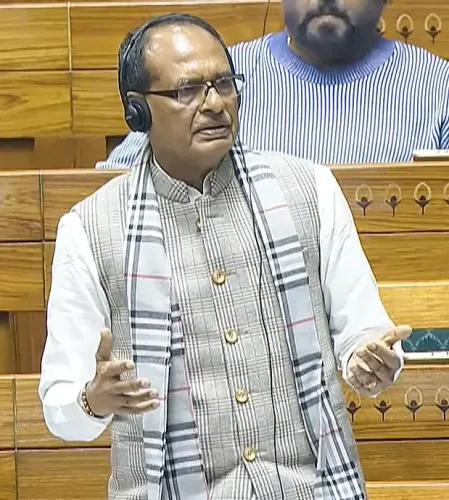
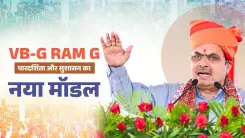
Union Agriculture Minister Shivraj Singh Chouhan announced the launch of the Viksit Bharat-G Ram G (VB-G RAM G) scheme on 2 July 2026, which promises rural labourers 125 days of guaranteed employment — 25 days more than the existing MGNREGA baseline — as part of the Viksit Bharat development vision.
Key Takeaways
Union Agriculture and Rural Development Minister Shivraj Singh Chouhan announced the VB-G RAM G (Viksit Bharat-G Ram G) scheme on 2 July 2026 .
The scheme guarantees rural labourers 125 days of employment, compared to the existing 100-day baseline under MGNREGA.
The announcement was made via an X post invoking Lord Venkateswara and carrying a video, signalling an official government communication.
The scheme is framed under the Viksit Bharat (Developed India) vision, aligning it with the government's long-term development goals targeting 2047 .
State governments and the Rural Development Ministry will be responsible for operationalising the expanded entitlement through guidelines and fund-flow mechanisms.
Chouhan's closing message — 'Har haath ko kaam, har pet ko roti' — signals the likely public-outreach slogan for the scheme.
Union Agriculture Minister Shivraj Singh Chouhan announced on Thursday, 2 July 2026 that the Viksit Bharat-G Ram G (VB-G RAM G) scheme has come into effect, promising rural labourers 125 days of guaranteed employment — a significant expansion over the existing baseline under rural employment policy.
Context
Chouhan posted on X invoking Om Namo Venkateshaaya (a prayer to Lord Venkateswara) and announced the scheme's launch in a message blending policy and devotion. Translated from Hindi, he wrote: 'The Viksit Bharat-G Ram G (VB-G RAM G) scheme has been implemented. Under this scheme, labourers will get 125 days of employment. I pray to Lord Shri Venkateswara Swami to shower such grace that no poor labourer of ours remains without work. Every hand must get work, every stomach must get food.'
The announcement was accompanied by a video and was made from the minister's official handle @ChouhanShivraj, signalling a formal government communication rather than a routine social post.
Policy Backdrop
India's flagship rural employment guarantee, the Mahatma Gandhi National Rural Employment Guarantee Act (MGNREGA) enacted in 2005, has long guaranteed up to 100 days of wage employment per year to rural households. The VB-G RAM G scheme, as described by Chouhan, would extend that floor to 125 days, adding 25 additional workdays for eligible labourers.
Successive governments have periodically sought to enhance MGNREGA provisions or introduce complementary programmes to address seasonal unemployment and reverse distress migration from villages to cities. The scheme's name — anchored in the Viksit Bharat (Developed India) vision — aligns it with the ruling dispensation's overarching development narrative targeting 2047.
The ministry of Rural Development, which Chouhan also heads, oversees MGNREGA implementation across states. Budget allocations, operational guidelines and state-level rollout orders will determine the pace at which the enhanced provision reaches workers on the ground.
Stakeholders and Impact
The primary beneficiaries, as stated by Chouhan, are rural labourers — a constituency that numbers in the hundreds of millions across India's villages. The additional 25 days of guaranteed work could meaningfully supplement household incomes, particularly for agricultural workers who face lean seasons between sowing and harvest cycles.
State governments, which share implementation responsibility under MGNREGA-linked frameworks, will be key stakeholders in operationalising the expanded entitlement. Labour rights advocates and rural development researchers will watch closely for official gazette notifications, fund-flow mechanisms and grievance-redress provisions accompanying the scheme.
What's Next
Parliamentary questions, Rural Development Ministry circulars and state government orders will be the first indicators of how swiftly the 125-day guarantee is operationalised. Observers will also track whether the VB-G RAM G framework introduces new categories of permissible work, revised wage rates or digital monitoring tools alongside the expanded workday provision.
Chouhan's invocation of Lord Venkateswara — the presiding deity of Tirumala — alongside a national welfare announcement reflects a recurring pattern in Indian political communication where spiritual appeals accompany policy rollouts. The minister's closing call — 'Har haath ko kaam, har pet ko roti' (Every hand must get work, every stomach must get food) — is likely to become the scheme's public-facing slogan as outreach intensifies.
Point of View
Adding 25 workdays to the MGNREGA floor at a time when agrarian distress and seasonal unemployment remain politically sensitive. Framing the scheme under the 'Viksit Bharat' banner ties a welfare expansion to the BJP's long-term development narrative, making it simultaneously a social policy and an electoral asset ahead of state election cycles. The invocation of Lord Venkateswara also suggests the announcement may be targeted at, or timed around, audiences in southern or temple-belt constituencies. Whether the scheme delivers at scale will depend on gazette notifications, budget backing and state-level administrative capacity — the gap between ministerial announcement and ground-level implementation has historically been the critical test for rural employment programmes in India.
NationPress
2 Jul 2026
Frequently Asked Questions
What is the VB-G RAM G scheme announced by Shivraj Singh Chouhan?
The VB-G RAM G (Viksit Bharat-G Ram G) scheme is a rural employment programme announced by Union Minister Shivraj Singh Chouhan on 2 July 2026. It promises eligible rural labourers 125 days of guaranteed employment, extending the existing 100-day baseline under MGNREGA by 25 additional workdays.
How is VB-G RAM G different from MGNREGA?
MGNREGA, enacted in 2005, guarantees up to 100 days of wage employment per year to rural households. The VB-G RAM G scheme, as announced by Chouhan, raises this to 125 days, adding a 25-day enhancement to the existing entitlement.
Who will benefit from the VB-G RAM G scheme?
The scheme is aimed at rural labourers across India, particularly those who face seasonal unemployment during lean agricultural periods. Chouhan stated the goal is to ensure no poor labourer remains without work.
What does 'Viksit Bharat' mean in the context of this scheme?
'Viksit Bharat' translates to 'Developed India' and is the BJP-led government's overarching vision for India's development by 2047. Naming the scheme under this banner aligns the rural employment expansion with the government's long-term national development goals.
When did Shivraj Singh Chouhan announce the VB-G RAM G scheme?
Chouhan announced the scheme on Thursday, 2 July 2026, through a post on X from his official handle @ChouhanShivraj, accompanied by a video.