Shivraj Singh Chouhan urges scientists to adopt farmers' dreams as mission
Synopsis
Union Agriculture Minister Shivraj Singh Chouhan marked ICAR's 98th Foundation Day on 16 July 2026 by calling on every agricultural scientist to treat farmers' dreams as their personal mission, renewing a long-standing demand for demand-driven public research in India.
Key Takeaways
Union Agriculture Minister Shivraj Singh Chouhan posted on 16 July 2026 urging agricultural scientists to adopt farmers' aspirations as their mission.
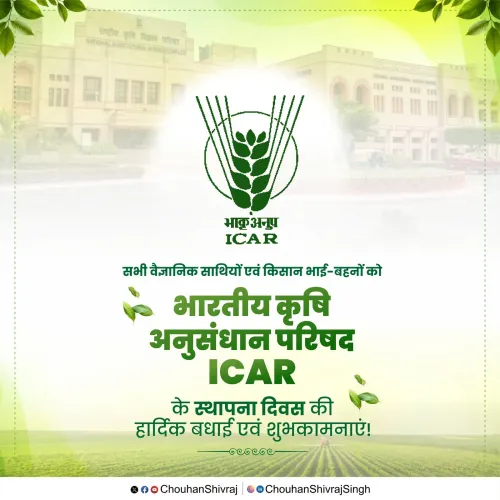
The post was tied to #98foundationday , marking the 98th Foundation Day of the Indian Council of Agricultural Research (ICAR) , established in 1929 .
ICAR oversees more than 100 institutes and national research centres across India, making it the apex body for agricultural science and extension.
The call aligns with the Doubling Farmers' Income initiative launched in 2016 , which linked research outputs to measurable farmer welfare goals.
Chouhan's message renews a recurring policy demand to shift public agricultural research from academic priorities to field-level farmer challenges.
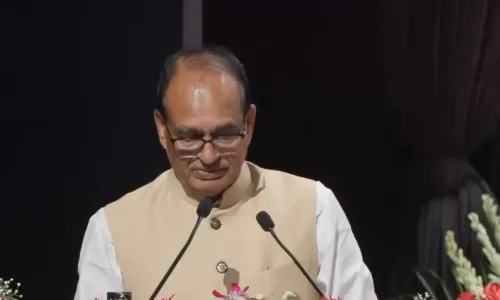
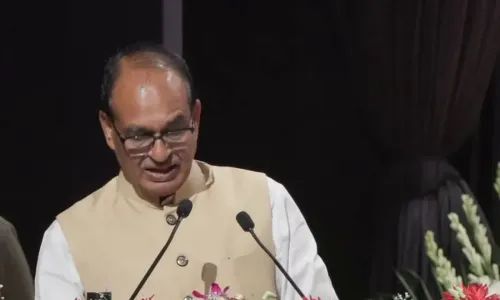
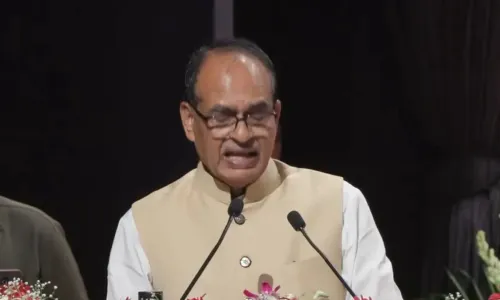
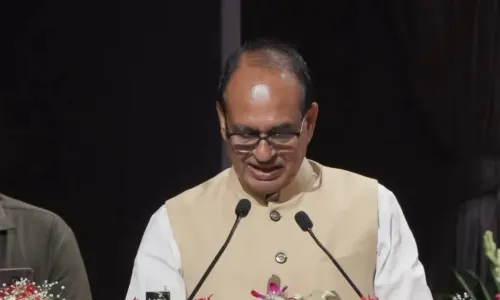
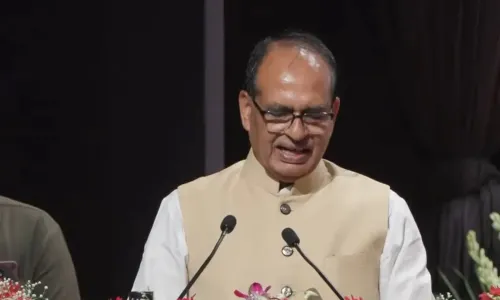
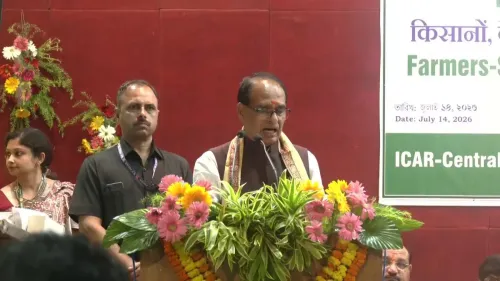
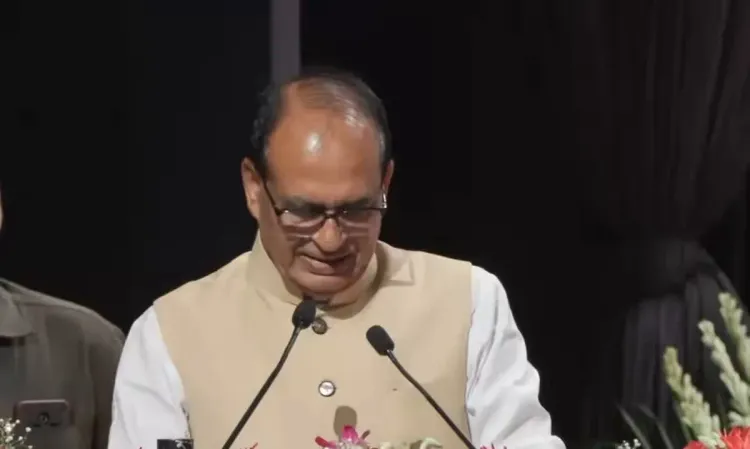
Union Agriculture Minister Shivraj Singh Chouhan on Thursday, 16 July 2026, called on every agricultural scientist in the country to make the aspirations of farmers their personal mission, posting the message on X to mark what the hashtag #98foundationday identifies as a landmark anniversary occasion.
Context
Chouhan's post — 'Pratyek vaigyanik kisanon ke sapnon ko apna mission banaen' ('Every scientist should make the dreams of farmers their mission') — was brief but pointed, directed at the scientific community that anchors India's publicly funded agricultural research ecosystem. The message was accompanied by a video, signalling a formal address rather than a casual remark.
The #98foundationday hashtag strongly suggests the post was timed to the 98th Foundation Day of the Indian Council of Agricultural Research (ICAR), the apex body that has coordinated agricultural science, education and extension across India since its establishment in 1929. ICAR oversees more than 100 institutes and national research centres spread across the country.
Policy Backdrop
The minister's exhortation sits squarely within a long-standing policy imperative to align public research institutions with ground-level farm realities rather than purely academic benchmarks. This thread runs from the post-Green Revolution reorganisation of agricultural science through to the Doubling Farmers' Income initiative launched in 2016, which explicitly sought to link research outputs with measurable welfare and productivity gains for cultivators.
ICAR's mandate has evolved considerably since 1929, expanding from basic crop science into climate-resilient varieties, precision agriculture, soil health, and post-harvest technology. At each inflection point, ministers and policymakers have returned to the same normative question Chouhan raises: whether the institution's priorities are shaped by scientists' interests or by farmers' needs.
Chouhan himself, as a four-term former Chief Minister of Madhya Pradesh, built a political identity closely tied to rural welfare and the agrarian community, making agricultural R&D alignment a natural rhetorical and policy focus for him in his current portfolio.
Stakeholders and Impact
The immediate audience for the minister's message is the community of agricultural scientists employed across ICAR's network of institutes — a body whose research priorities, funding allocations and performance metrics are ultimately shaped by political and administrative direction from the Ministry of Agriculture and Farmers Welfare.
For farmers, particularly smallholders who constitute the majority of India's cultivators, the practical implication of such direction is whether new seed varieties, soil management techniques and pest-control solutions developed in laboratories reach the field in time to make a difference. Bridging this lab-to-land gap has been a recurring challenge for Indian agricultural policy.
Civil society organisations and farmer unions have consistently argued that research institutions must prioritise crops and challenges specific to rain-fed, marginal and tribal farming regions, rather than concentrating on commercially viable or already-productive belts. Chouhan's framing — centring farmers' sapne (dreams) — implicitly acknowledges that gap.
What's Next
The foundation day address typically sets the tone for ICAR's institutional priorities in the months ahead. Observers will watch for any new research mandates, scheme announcements or budget reallocations that follow from the minister's stated direction. Parliamentary discussions on agricultural R&D spending and the next Union Budget will provide the clearest signal of whether this exhortation translates into structural change for India's agricultural science establishment.
Point of View
Not institutional metrics. For a minister who built his political base on rural constituency in Madhya Pradesh, this framing is both authentic and strategically consistent. The invocation of farmers' 'dreams' rather than productivity targets or GDP contributions is a deliberate tonal choice — it humanises a technocratic institution and positions the ministry as the farmers' advocate within the research establishment. Whether it leads to structural change in ICAR's research agenda or remains an aspirational address will depend on the budget and policy decisions that follow.
NationPress
16 Jul 2026
Frequently Asked Questions
What is ICAR's 98th Foundation Day?
ICAR's 98th Foundation Day marks 98 years since the Indian Council of Agricultural Research was established in 1929 as India's apex body for coordinating agricultural science, education and extension. The annual event typically features addresses by senior government officials outlining research priorities.
What did Shivraj Singh Chouhan say on ICAR Foundation Day 2026?
Chouhan posted on X calling on every agricultural scientist to make the dreams and aspirations of farmers their personal mission, framing the message as a directive for demand-driven research aligned with cultivators' needs.
What is the Doubling Farmers' Income initiative?
The Doubling Farmers' Income initiative was launched in 2016 with the goal of linking agricultural research and policy outputs to measurable improvements in farmer welfare and productivity, aiming to double real incomes of cultivators within a set timeframe.
Who is Shivraj Singh Chouhan?
Shivraj Singh Chouhan is the Union Minister of Agriculture and Farmers Welfare and Rural Development in the Government of India, a senior BJP leader and former four-term Chief Minister of Madhya Pradesh with a long political association with rural and agrarian issues.
What does ICAR do in India?
ICAR coordinates agricultural research, education and extension across India through a network of more than 100 institutes and national research centres, working on areas including crop improvement, soil health, climate-resilient agriculture and post-harvest technology.