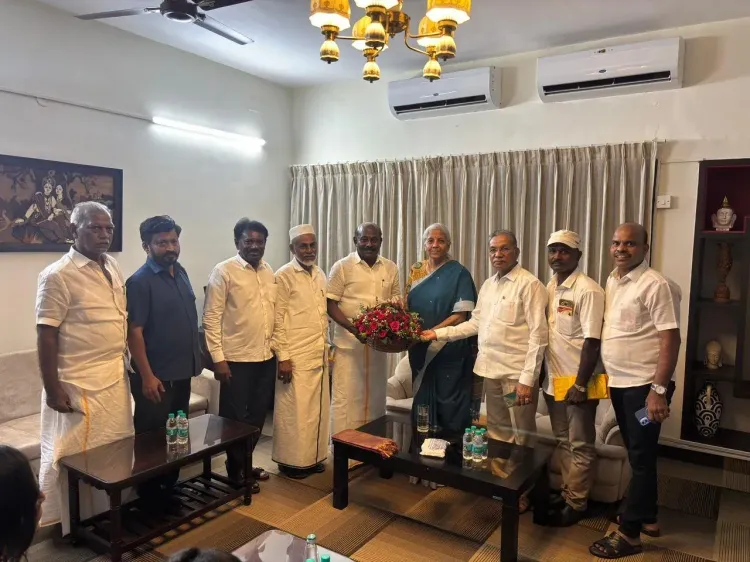
Sitharaman meets Tamil Nadu traders delegation in Chennai
Synopsis
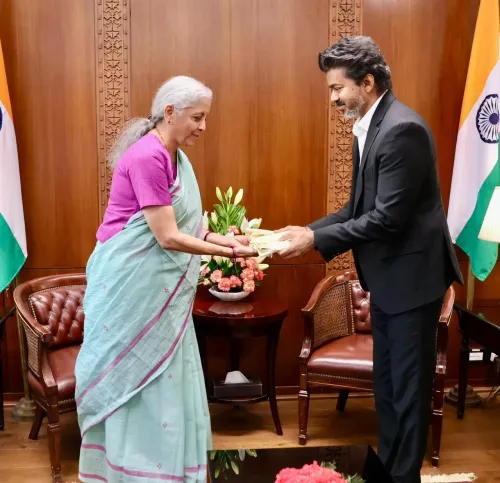
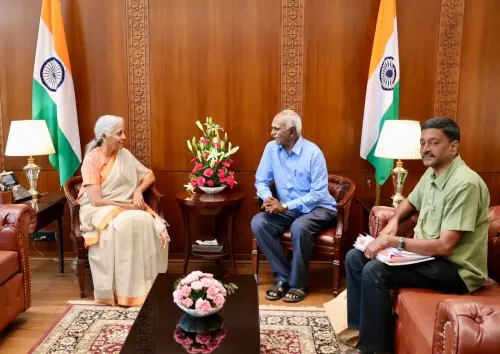
Union Finance Minister Nirmala Sitharaman met a delegation of Tamil Nadu traders in Chennai on 27 June 2026, led by AM Vikramaraja of CAIT. The meeting reflects the Finance Ministry's ongoing practice of regional stakeholder consultations with organised trade bodies ahead of GST Council decisions and Budget exercises.
Key Takeaways
Union Finance Minister Nirmala Sitharaman received a traders' delegation in Chennai on 27 June 2026 .
The delegation was led by AM Vikramaraja , President of the Tamil Nadu Traders Association and Senior Vice President of CAIT .
CAIT is the national apex body representing retail and wholesale traders on GST , taxation, and e-commerce regulation.
Such consultations are part of the Finance Ministry's established practice ahead of GST Council meetings and Union Budget preparations.
Tamil Nadu's large retail and wholesale sector makes its trader bodies influential participants in national fiscal policy discussions.
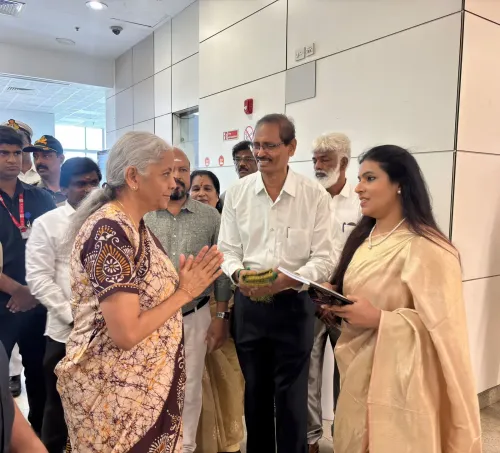
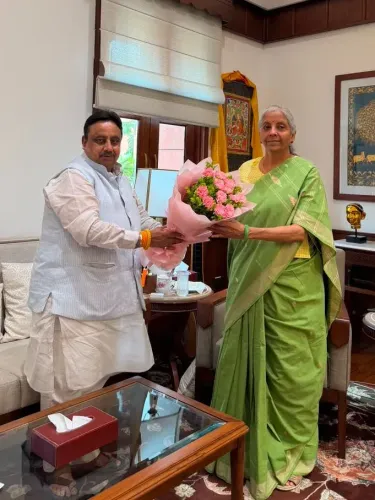
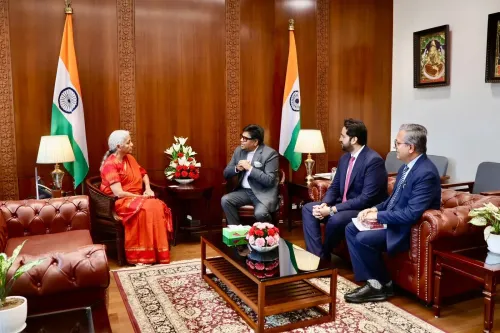
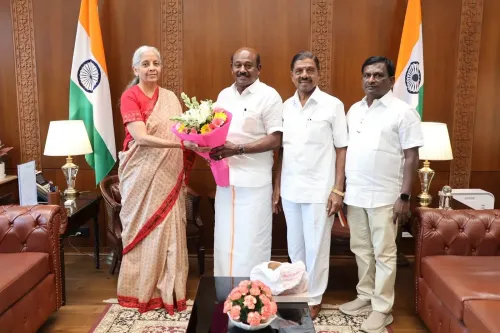
Union Finance Minister Nirmala Sitharaman received a delegation of traders in Chennai on Friday, 27 June 2026, led by AM Vikramaraja, President of the Tamil Nadu Traders Association and Senior Vice President of the Confederation of All India Traders (CAIT). The meeting, confirmed through the Finance Minister's official social media account, marks another round of stakeholder engagement between the Union government and organised trade bodies in the southern region.
Context
The delegation was led by Vikramaraja, who heads one of Tamil Nadu's most prominent merchant bodies and also holds a senior national role in CAIT, the country's apex confederation representing retail and wholesale traders. Such calls on the Finance Minister by organised trader groups are a standard feature of the government's consultative framework, particularly in the run-up to major fiscal and taxation decisions. Chennai, as the capital of Tamil Nadu and a major commercial hub, has frequently served as a venue for regional economic consultations by Union ministers.
Policy Backdrop
CAIT has been one of the most active national voices on issues including GST simplification, input tax credit rationalisation, compliance burdens on small retailers, and the regulation of e-commerce platforms. Since the GST rollout on 1 July 2017, the Finance Ministry has maintained a practice of periodic consultations with trader federations to address sector-specific concerns on rate structures and procedural compliance. Pre-budget stakeholder meetings with bodies such as CAIT have been a consistent feature of the budgetary process since 2014.
The Tamil Nadu Traders Association represents a large constituency of merchants and retailers who engage with both the state and central governments on business regulations, taxation, and market access. Tamil Nadu's expansive retail and wholesale sector gives its trader bodies considerable weight in national-level policy discussions.
Stakeholders and Impact
The meeting is significant for the broader community of retail traders and MSMEs across Tamil Nadu and the southern region, who look to bodies like CAIT and the Tamil Nadu Traders Association to represent their interests before the Union Finance Ministry. Key concerns historically raised by such delegations include rationalisation of GST slabs, easing of return-filing procedures, and ensuring a level playing field against large e-commerce operators. Any outcomes from such engagements can feed directly into GST Council deliberations and the annual Union Budget exercise.
What's Next
Attention will now turn to the next GST Council meeting and the early rounds of consultation for the Union Budget 2027-28, where demands surfaced in regional meetings such as this one are likely to be formally tabled. The trader community will be watching for any policy signals on rate rationalisation, compliance simplification, and e-commerce regulation that may emerge from the Finance Ministry in the coming months.
Point of View
Particularly as GST Council cycles and Budget consultations approach. For Vikramaraja and the Tamil Nadu Traders Association, securing face time with the Union Finance Minister in their home state signals the regional clout of southern trader federations in national policy conversations. The engagement also reflects the BJP government's strategic interest in keeping the trader community — a traditionally influential constituency — closely engaged with the economic policy apparatus. How the demands raised in such meetings translate into concrete GST or Budget proposals will be the real measure of the meeting's significance.
NationPress
25 Sept 2026
Frequently Asked Questions
Why did Tamil Nadu traders meet Nirmala Sitharaman in Chennai?
A delegation of Tamil Nadu traders, led by CAIT's AM Vikramaraja, called on Finance Minister Nirmala Sitharaman in Chennai on 27 June 2026 as part of the Finance Ministry's ongoing stakeholder consultations with organised trade bodies on issues such as GST, taxation, and e-commerce regulation.
Who is AM Vikramaraja?
AM Vikramaraja is the President of the Tamil Nadu Traders Association and Senior Vice President of the Confederation of All India Traders (CAIT), representing organised trader interests across southern India and at the national level.
What is CAIT and what does it do?
CAIT, the Confederation of All India Traders, is the national apex body for retail and wholesale traders in India. It engages with the Finance Ministry and GST Council on issues including tax rate rationalisation, input tax credit, compliance simplification, and e-commerce regulation.
What issues do trader bodies typically raise with the Finance Minister?
Trader delegations typically raise concerns about GST slab rationalisation, simplification of return-filing procedures, input tax credit availability, and ensuring a level playing field for small retailers against large e-commerce platforms.
Will this meeting affect the next Union Budget or GST Council decisions?
While specific outcomes of the June 2026 Chennai meeting have not been disclosed, such regional consultations form part of the Finance Ministry's input-gathering process ahead of GST Council meetings and Union Budget 2027-28 preparations.