Sitharaman: Youth aspirations drive India's policy agenda
Synopsis
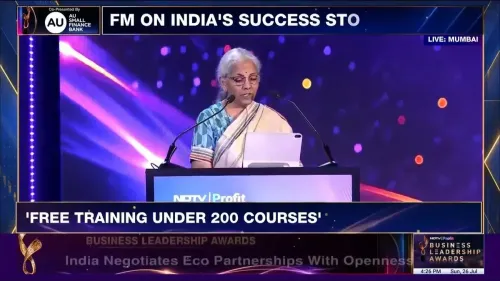
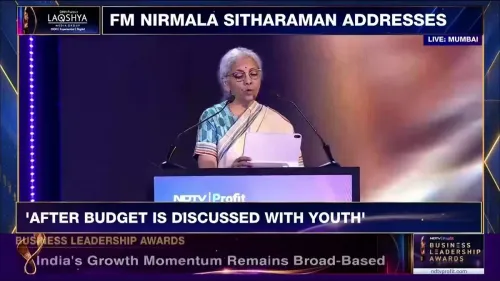
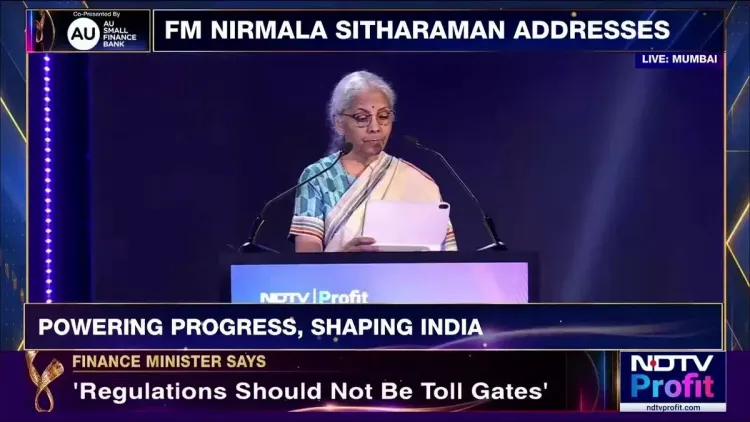
Union Finance Minister Nirmala Sitharaman, speaking at the NDTV Profit Business Leadership Awards 2026, said India's governance policies are shaped around the aspirations of its youth and that true leadership means preparing the next generation to lead.
Key Takeaways
Nirmala Sitharaman spoke at the NDTV Profit Business Leadership Awards 2026 on 26 July 2026 .
She described India's story as inseparable from the 'energy, aspirations and achievements' of its youth.
She stated that 'the challenges faced by our youth are a concern for the entire government.' She said 'many of our policies are designed with their aspirations and future in mind,' signalling a whole-of-government approach.
The remarks align with long-standing flagship programmes including Skill India (2015), Startup India (2016) and Pradhan Mantri Kaushal Vikas Yojana .
Upcoming Union Budget allocations for skilling and youth employment will be the next key policy test.
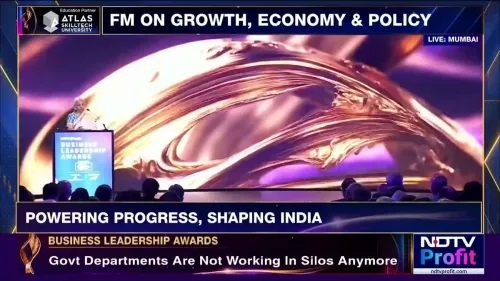
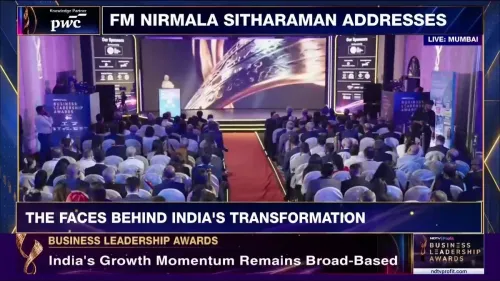
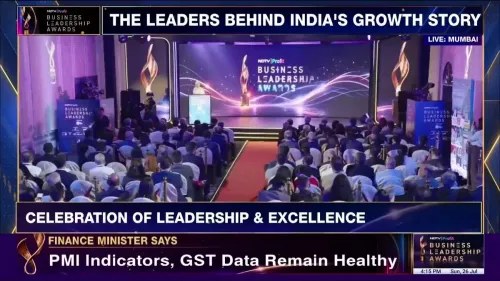
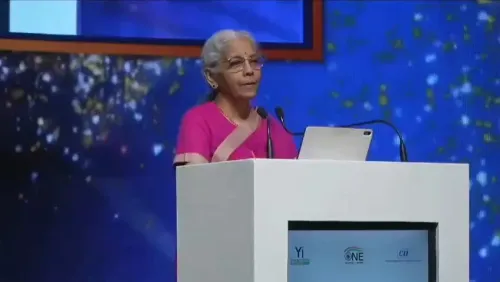
Union Finance Minister Nirmala Sitharaman on Sunday, 26 July 2026 underscored the centrality of youth in India's governance framework, delivering remarks at the NDTV Profit Business Leadership Awards 2026 in which she linked the nation's story directly to the energy and ambitions of its younger generations.
Context
Speaking at the awards ceremony, Sitharaman stated that 'celebrating India's story is, in many ways, a celebration of the energy, aspirations and achievements of its youth.' She extended the theme of leadership to include an obligation toward succession, saying, 'leadership is also about preparing the next generation to lead and shape its own future.' Her remarks framed youth not merely as beneficiaries of policy but as its ultimate purpose.
The Finance Minister also acknowledged the pressures young Indians face, noting that 'the challenges faced by our youth are a concern for the entire government.' She added that 'many of our policies are designed with their aspirations and future in mind,' signalling a whole-of-government orientation rather than a single-ministry mandate.
Policy Backdrop
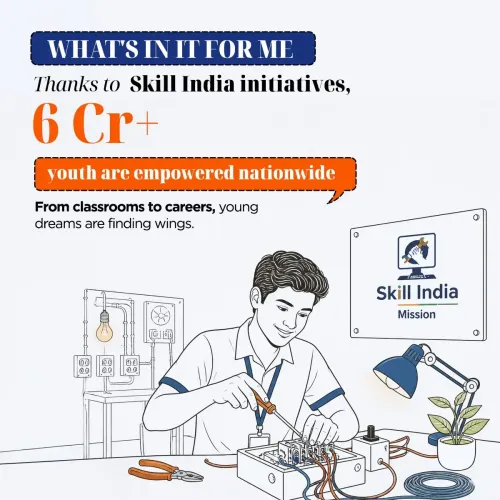
The remarks draw on a long lineage of youth-focused flagship programmes. The Skill India Mission, launched in 2015, was designed to provide vocational training aligned with industry needs, targeting millions of school and college leavers. The Startup India initiative, announced in 2016, extended tax benefits and easier compliance norms to encourage first-time founders and young entrepreneurs.
The Pradhan Mantri Kaushal Vikas Yojana has been expanded across successive budgets to scale short-term skill training, while programmes such as Digital India and Make in India explicitly aim to position younger cohorts for global economic competition. Sitharaman, as the minister who has presented multiple Union Budgets, has consistently allocated resources to these skilling and entrepreneurship pillars.
Stakeholders and Impact
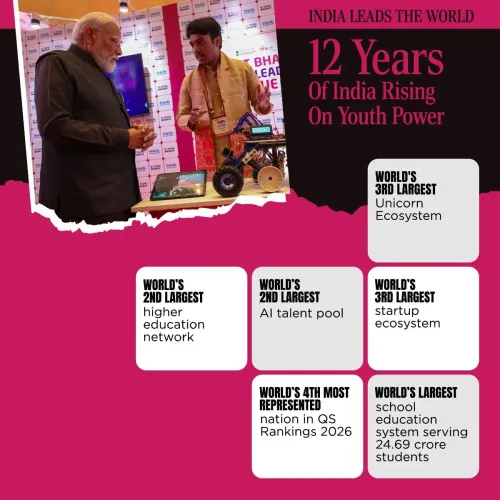
India's youth population — one of the largest in the world — sits at the intersection of a demographic dividend and a policy challenge. Young entrepreneurs, first-generation graduates, and vocational trainees are the direct stakeholders of the programmes Sitharaman referenced. Their employment outcomes and income trajectories are closely watched as indicators of whether the demographic dividend translates into sustained economic growth.
Business leaders present at the awards event represent the private-sector side of this equation. Their investment decisions in hiring, training and innovation directly shape the opportunities available to young Indians, making the Finance Minister's message at such a forum a signal to industry as much as to government departments.
What's Next
Policy watchers will track allocations for youth employment and skilling schemes in the forthcoming Union Budget as a measure of how firmly these stated priorities translate into fiscal commitments. Implementation guidelines under the National Education Policy for higher education and vocational training are also expected to be a key bellwether. Sitharaman's remarks at a high-profile business awards platform suggest the government intends to keep youth aspiration at the centre of its economic narrative heading into the next budget cycle.
Point of View
She deflects any single-ministry accountability while keeping the narrative broad enough to encompass skilling, entrepreneurship and education in one sweep. The choice of a high-profile business awards platform amplifies the message to private-sector decision-makers whose hiring and investment choices are integral to delivering on that promise. With a Union Budget cycle approaching, such signals from the Finance Minister typically presage renewed allocations or scheme expansions in the youth and skilling space.
NationPress
26 Jul 2026
Frequently Asked Questions
What did Nirmala Sitharaman say at the NDTV Profit Business Leadership Awards 2026?
Sitharaman said that celebrating India's story is a celebration of its youth's energy and aspirations, and that true leadership means preparing the next generation to lead. She added that youth challenges are a concern for the entire government and that many policies are designed with young Indians' futures in mind.
Which government schemes support youth employment and skilling in India?
Key schemes include Skill India (launched 2015), Startup India (2016) and Pradhan Mantri Kaushal Vikas Yojana, all of which provide vocational training, entrepreneurship support and tax benefits targeted at young Indians.
Why did the Finance Minister speak at a business awards event about youth policy?
Business leaders are critical partners in delivering youth employment; by addressing them directly, Sitharaman signalled that private-sector investment and hiring decisions are central to the government's youth-focused policy goals.
What is India's demographic dividend and why does it matter for policy?
India's demographic dividend refers to the economic growth potential arising from its large working-age youth population. Successive governments have framed this as an opportunity requiring targeted skilling, digital infrastructure and entrepreneurship policies to convert into sustained growth.
What should we watch for next on India's youth policy agenda?
Key indicators will be allocations for youth employment and skilling in the next Union Budget and new implementation guidelines under the National Education Policy for higher education and vocational training.