Biochar Research Facility inaugurated in Himachal to cut forest fire risk
Synopsis
Himachal Pradesh has inaugurated a dedicated Biochar Research and Training Facility at UHF Neri — converting hazardous pine needles and lantana into carbon-rich biochar at 1.5 tons per day. The tripartite model linking a university, the state Forest Department, and a Chennai-based carbon firm could become a template for tackling forest fires through science and rural livelihoods simultaneously.
Key Takeaways
A Biochar Research and Training Facility was inaugurated on 26 July at the College of Horticulture and Forestry, Neri , under Y.S.
Parmar University of Horticulture and Forestry (UHF) , Himachal Pradesh.
The unit has a processing capacity of 1.5 tons of biochar per day , using locally sourced biomass including pine needles, lantana, and bamboo .
The facility was set up under a tripartite agreement among UHF , the Himachal Pradesh Forest Department , and Chennai-based ProClime Services .
Key goals include reducing forest fire hazards , improving soil fertility , generating carbon credits , and creating rural livelihoods through biomass collection.
The project will also provide research and hands-on training for students in biochar technology and carbon sequestration.
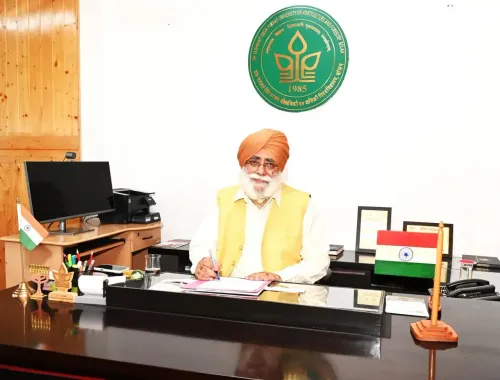
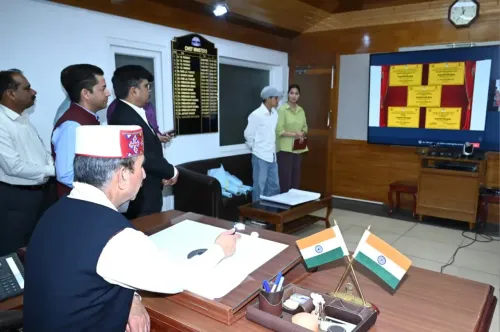
A state-of-the-art Biochar Research and Training Facility aimed at reducing forest fire hazards through the scientific use of forest biomass was inaugurated on Sunday, 26 July at the College of Horticulture and Forestry in Neri, a constituent college of Y.S. Parmar University of Horticulture and Forestry (UHF), located in Nauni, Himachal Pradesh. Officials said the facility marks a landmark step in the state's efforts toward sustainable biomass management, climate change mitigation, and carbon sequestration research.
What the Facility Offers
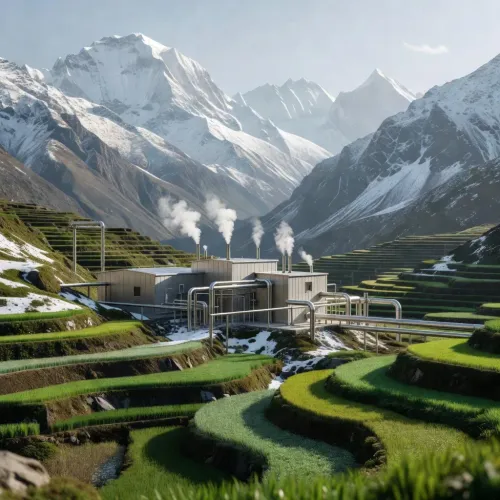
The unit has a biochar production capacity of 1.5 tons per day and will process locally sourced biomass — including pine needles, lantana, bamboo, and other woody residues — converting them into biochar for use in agriculture and horticulture. Biochar is a carbon-rich material produced from biomass under controlled, low-oxygen conditions and is recognised for improving soil fertility, enhancing water retention, reducing greenhouse gas emissions, and generating carbon credits.
Beyond fire risk reduction, the facility is designed to provide hands-on training and research opportunities for students in the emerging fields of biochar technology and carbon sequestration — areas increasingly central to climate-resilient land management.
The Tripartite Agreement Behind It
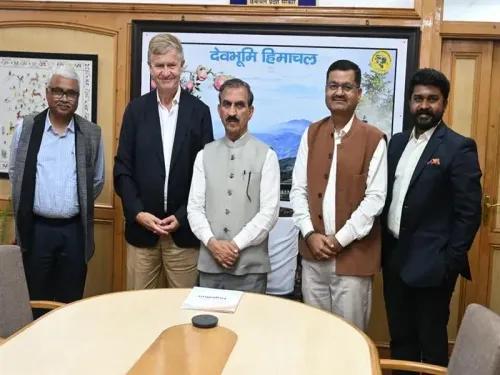
The facility has been established under a tripartite memorandum of agreement among UHF, the Himachal Pradesh Forest Department, and Chennai-based ProClime Services. Under the arrangement, the Forest Department will facilitate sustainable biomass collection through community participation, provide necessary permissions and concessions, and ensure compliance with forest and environmental regulations. The university, in turn, will provide land at Neri, support statutory approvals, and lead research on biochar applications across agriculture, horticulture, and soil health. ProClime Services brings technical and carbon-offset expertise to the collaboration.
Community and Livelihood Angle
The project is also expected to generate livelihood opportunities for local communities through organised biomass collection and processing — addressing a long-standing challenge in Himachal Pradesh, where accumulation of dry pine needles is a primary driver of seasonal forest fires. By converting this hazardous material into a commercially viable product, the initiative attempts to align environmental conservation with sustainable rural income.
Broader Significance
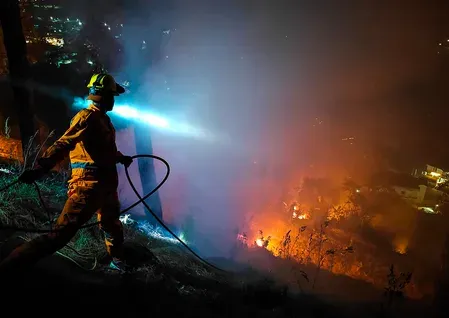
Himachal Pradesh has faced recurring and increasingly severe forest fires in recent years, with pine needle accumulation cited as a key contributing factor. The Neri facility represents one of the first institutional attempts in the state to tackle this risk through a science-backed, community-integrated model. Officials described the installation as a significant milestone in bringing practical carbon-offset technologies to academic institutions and rural landscapes across the state. The project's outcomes on soil health and carbon credits will be closely watched as a potential blueprint for replication elsewhere in the Himalayan region.
Point of View
Yet policy responses have largely remained reactive — seasonal fire-fighting rather than structural prevention. The Neri facility is notable because it attempts to make the problem economically self-solving: if communities earn income from collecting pine needles for biochar, the fuel load that drives fires diminishes as a byproduct. The tripartite model — university research, forest department logistics, private carbon-credit expertise — is also unusual in Indian forestry governance and worth watching for execution gaps. The real test will be whether the 1.5-ton daily capacity scales, whether carbon credits actually materialise for local communities, and whether the university's research translates into replicable protocols for other Himalayan states facing the same fire risk.
NationPress
26 Jul 2026
Frequently Asked Questions
What is the Biochar Research and Training Facility inaugurated in Himachal Pradesh?
It is a state-of-the-art facility at the College of Horticulture and Forestry in Neri, under Y.S. Parmar University of Horticulture and Forestry (UHF), designed to convert forest biomass such as pine needles, lantana, and bamboo into biochar. The unit has a daily production capacity of 1.5 tons and aims to reduce forest fire hazards while supporting soil health and carbon sequestration research.
Who are the partners behind the Neri biochar facility?
The facility was established under a tripartite memorandum of agreement among UHF Nauni, the Himachal Pradesh Forest Department, and Chennai-based ProClime Services. Each partner has defined roles: the Forest Department handles biomass collection and regulatory compliance, UHF provides land and leads research, and ProClime Services contributes carbon-offset technology expertise.
How does biochar help reduce forest fires in Himachal Pradesh?
Pine needle accumulation on forest floors is a primary driver of seasonal forest fires in Himachal Pradesh. By collecting and converting these needles into biochar, the facility removes a key fire hazard from the landscape while simultaneously producing a commercially useful material. This approach turns a fire risk into a resource.
What are the livelihood benefits of the biochar project?
The project is expected to create income opportunities for local communities through organised and sustainable collection of forest biomass. Residents can participate in biomass supply chains, earning from material that would otherwise accumulate as a fire hazard, while the biochar produced supports agricultural productivity and potential carbon credit generation.
What is biochar and why does it matter for agriculture?
Biochar is a carbon-rich material produced by heating biomass under controlled, low-oxygen conditions. It is recognised for improving soil fertility, enhancing water retention in soils, reducing greenhouse gas emissions, and enabling the generation of carbon credits — making it a versatile tool for both climate mitigation and agricultural productivity.