Smriti Irani: Constitution was silenced by bullets in Naxal zones
Synopsis
BJP leader Smriti Irani alleged on June 23, 2026, that during the opposition's rule, people in Naxal-hit districts were shot for invoking the Constitution — contrasting opposition constitutional rhetoric with governance failures in India's red corridor.
Key Takeaways
BJP leader Smriti Irani posted on June 23, 2026 , alleging that under the opposition's watch, naming the Constitution in Naxal-affected areas invited deadly violence.
The remark targets opposition leaders who have prominently displayed the Constitution as a political symbol in recent campaigns.
CPI-Maoist insurgency has affected districts across Chhattisgarh , Jharkhand , and Odisha since the 1960s , suppressing constitutional rights on the ground.
The UPA government launched Operation Green Hunt in 2009 , though large areas remained under effective Maoist control during that period.
Post- 2014 policy has focused on area domination, surrender programmes, and infrastructure to extend state reach in LWE-affected districts.
Residents of Naxal-hit areas and security forces remain the central stakeholders in the ongoing debate over constitutional reach and internal security.
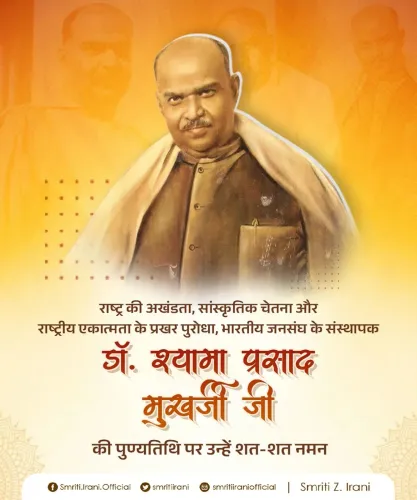
BJP leader Smriti Irani on Tuesday, June 23, 2026, sharply criticised the political opposition by claiming that during the tenure of those who now publicly brandish the Constitution, merely invoking it in Naxal-affected regions could get a person shot dead. Her remarks, posted on X, drew a pointed contrast between constitutional rhetoric and ground realities in left-wing extremism-hit districts.
Context
Irani's post, originally in Hindi, states: 'Sanvidhan dikhane walon ke samay mein, Naksal prabhavit ilakon mein Sanvidhan ka naam lene par goli maar dete the' — ('In the time of those who show the Constitution, people were shot for merely uttering the name of the Constitution in Naxal-affected areas.'). The statement is a direct political jab at opposition leaders who have made the Constitution a central symbol in recent electoral and parliamentary campaigns.
The remark places constitutional symbolism at the centre of a broader debate on governance and internal security — questioning whether those invoking the document in public life actually extended its protections to India's most marginalised and violence-hit communities.
Policy Backdrop
Left-wing extremism, driven primarily by CPI-Maoist cadres, has afflicted districts across Chhattisgarh, Jharkhand, and Odisha since the 1960s. At its peak, insurgent dominance in these 'red corridor' pockets effectively suppressed open assertion of constitutional rights — from freedom of expression to the right to vote — among local populations.
The UPA government launched Operation Green Hunt in 2009 as a coordinated security response to Maoist violence. Critics of that era argued that despite the operation, large swathes of forested districts remained under effective Maoist control, with residents unable to freely access state institutions or invoke legal protections without fear of reprisal.
Post-2014, the National Policy and Action Plan on Left-Wing Extremism emphasised area domination by security forces, surrender and rehabilitation programmes, and accelerated infrastructure connectivity — roads, mobile towers, bank branches — to extend state presence into previously inaccessible zones. Official data has recorded a sustained decline in Maoist-related violence and geographic spread over this period.
Stakeholders and Impact
Residents of Naxal-affected districts — among India's most economically deprived communities — remain the primary stakeholders in this debate. For decades, these populations were caught between Maoist intimidation and inadequate state reach, with constitutional guarantees existing largely on paper.
Security forces — including the Central Reserve Police Force and state police units — have borne the operational burden of restoring state authority in these regions. Their sacrifices have been a recurring reference point in political discussions on internal security. Irani's post implicitly invokes this history to challenge the credibility of opposition leaders on constitutional commitments.
What's Next
The political exchange around the Constitution and internal security is likely to intensify as Parliament's session approaches and opposition parties continue to use constitutional symbolism as a mobilising frame. Further developments in the National Policy and Action Plan on LWE, including funding allocations and operational updates from affected states, will shape whether the governance gap Irani references continues to narrow. Any fresh legislative or parliamentary debate on internal security funding could bring this fault line back into sharp focus.
Point of View
Turning the opposition's signature constitutional symbolism against them by anchoring it to a period of documented governance failure in India's red corridor. By invoking the lived reality of Naxal-hit communities — where constitutional rights were suppressed not by state neglect alone but by armed insurgent terror — she shifts the debate from symbolism to accountability. The attack fits a broader BJP pattern of reframing the Constitution debate around delivery and security outcomes rather than parliamentary optics. How the opposition responds to this historical framing will test whether their constitutional messaging can withstand scrutiny on internal security grounds.
NationPress
23 Jun 2026
Frequently Asked Questions
What did Smriti Irani say about the Constitution and Naxal areas?
Smriti Irani said that during the tenure of those who now publicly display the Constitution, people in Naxal-affected areas were shot dead for merely uttering the word 'Constitution.' She posted this on X on June 23, 2026.
Which areas in India are affected by Naxalism?
Naxal or left-wing extremism primarily affects districts in Chhattisgarh, Jharkhand, and Odisha, though it has historically spread across a wider 'red corridor' in central and eastern India.
What was Operation Green Hunt?
Operation Green Hunt was a coordinated anti-Naxal security operation launched in 2009 by the UPA government to counter CPI-Maoist insurgency in forested districts of central and eastern India.
Why is the Constitution being debated in Indian politics in 2026?
Opposition parties have prominently used the Constitution as a political symbol in recent electoral and parliamentary campaigns, prompting BJP leaders like Smriti Irani to counter by questioning their governance record in Naxal-hit regions.
What is India's current policy on left-wing extremism?
India follows the National Policy and Action Plan on Left-Wing Extremism, which emphasises security operations, surrender and rehabilitation programmes, and infrastructure development to extend state presence in affected districts.