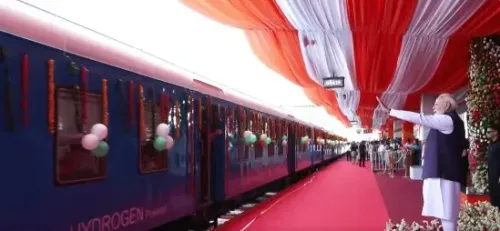
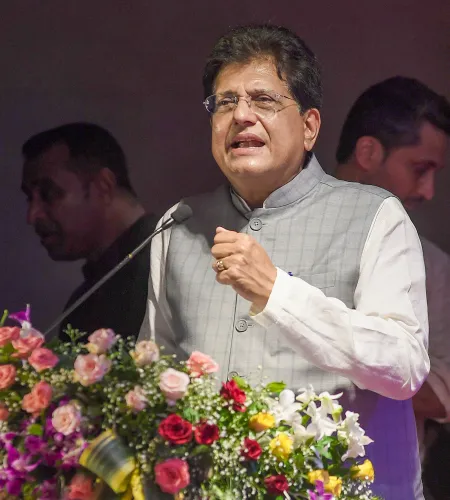
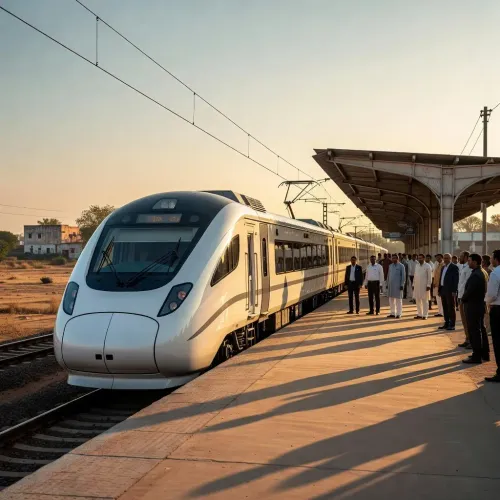
Smriti Irani hails India's first hydrogen train flag-off by PM Modi
Synopsis
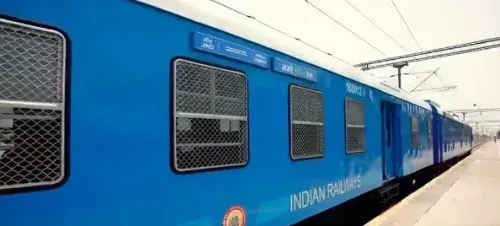
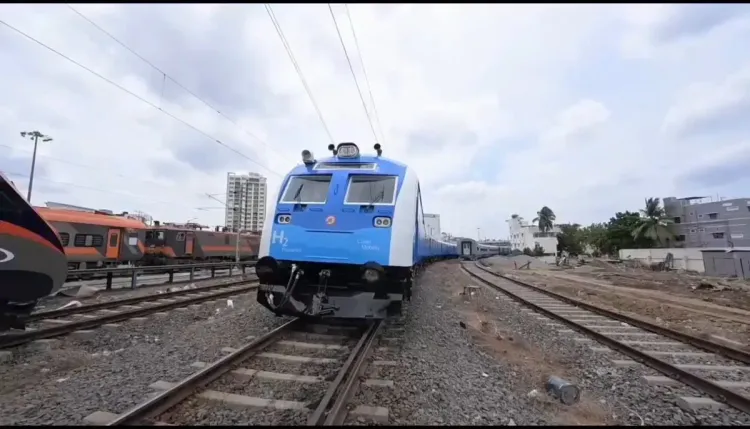
PM Modi flagged off India's first indigenously developed hydrogen train on the Jind–Sonipat route in Haryana on 17 July 2026. BJP leader Smriti Irani hailed the 1,200 kW fuel-cell train, which emits only water vapour, as a landmark for Aatmanirbhar Bharat and India's clean-mobility ambitions.
Key Takeaways
PM Narendra Modi flagged off India's first indigenously developed hydrogen-powered train on 17 July 2026 .
The train runs on the Jind–Sonipat route in Haryana and is powered by a 1,200 kW hydrogen fuel cell propulsion system .
It emits only water vapour, making it a zero-direct-emission alternative to diesel rolling stock.
The project aligns with the National Green Hydrogen Mission , approved in January 2023 with an outlay of Rs 19,744 crore .
Indian Railways has committed to a net-zero emissions target by 2030 .
The train was designed, engineered, and integrated entirely within India, advancing the Aatmanirbhar Bharat agenda.
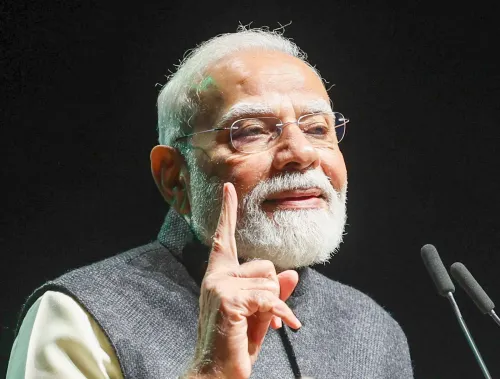
BJP leader Smriti Irani on Friday, 17 July 2026, took to X to mark what she called 'a phenomenal milestone in India's journey towards sustainable mobility,' as Prime Minister Narendra Modi prepared to flag off the country's first indigenously developed hydrogen-powered train on the Jind–Sonipat route in Haryana.
In her post, Irani highlighted that the train is 'designed, engineered and integrated in India,' powered by a 1,200 kW hydrogen fuel cell propulsion system, and emits only water vapour — positioning it as a landmark in both clean energy and domestic manufacturing under the Aatmanirbhar Bharat framework.
Context
Indian Railways has been pursuing a net-zero emissions target by 2030, a goal articulated in its December 2021 vision statement. The Jind–Sonipat corridor in Haryana was selected for the hydrogen train's inaugural run, a stretch where full electrification has remained uneconomical, making it a practical testbed for alternative propulsion technology.
The flag-off represents the culmination of years of indigenous engineering effort, with the train's propulsion system developed and integrated within India rather than sourced from foreign suppliers — a distinction Irani underscored in her post.
Policy Backdrop
The hydrogen train pilot sits squarely within the National Green Hydrogen Mission, approved by the Union Cabinet in January 2023 with a financial outlay of Rs 19,744 crore. The mission was designed to scale up green hydrogen production and seed its use across transport, industry, and energy sectors.
Rail transport was identified as one of the early-adoption verticals under the mission, given the potential to decarbonise freight and passenger corridors that diesel traction currently serves. The hydrogen train project aligns with that roadmap, offering a domestically manufactured alternative to imported diesel rolling stock.
Stakeholders and Impact
The immediate beneficiaries include rail commuters on the Jind–Sonipat route, who stand to travel on zero-emission rolling stock, and renewable energy manufacturers in India's emerging green hydrogen supply chain. A successful pilot could open procurement pipelines for hydrogen trains across other non-electrified sections of the national rail network.
For domestic engineering firms and public-sector undertakings involved in the train's design and integration, the flag-off signals a potential export opportunity as global railways accelerate their own decarbonisation programmes. The 'only water vapour' emission profile also addresses air-quality concerns in dense urban corridors.
What's Next
Attention will now shift to the scale-up phase: whether the hydrogen train deployment can move beyond a single pilot route and how quickly dedicated green hydrogen production facilities can be commissioned to fuel an expanded fleet. Policymakers will also be watching operational data — reliability, turnaround time, and cost per kilometre — to assess commercial viability against electrification and battery-electric alternatives.
If the Jind–Sonipat trial delivers on its engineering promise, Indian Railways could accelerate procurement across other Haryana and national routes, turning today's ceremonial flag-off into the first chapter of a broader hydrogen mobility programme.
Point of View
The government reinforces the Aatmanirbhar Bharat narrative in a sector — strategic transport infrastructure — where import dependence has historically been high. Smriti Irani's enthusiastic amplification reflects the BJP's consistent effort to frame large infrastructure events as proof-of-concept for self-reliance. The real test, however, lies in whether the pilot can survive the scale-up: commissioning green hydrogen at rail-network volumes remains a formidable logistical and financial challenge that today's ceremony does not resolve.
NationPress
17 Jul 2026
Frequently Asked Questions
What is India's first hydrogen-powered train and where does it run?
India's first hydrogen-powered train is an indigenously designed and engineered passenger train that runs on the Jind–Sonipat route in Haryana. It uses a 1,200 kW hydrogen fuel cell propulsion system and emits only water vapour.
Who flagged off India's hydrogen train?
Prime Minister Narendra Modi flagged off the hydrogen train on 17 July 2026 .
What is the National Green Hydrogen Mission?
The National Green Hydrogen Mission was approved by the Union Cabinet in January 2023 with an outlay of Rs 19,744 crore . It aims to scale up domestic green hydrogen production and pilot its use in transport, including railways.
What is Indian Railways' net-zero target?
Indian Railways announced a net-zero carbon emissions target by 2030 in its December 2021 vision statement, with hydrogen traction on non-electrified routes forming part of the decarbonisation strategy.
What did Smriti Irani say about the hydrogen train?
Smriti Irani called it 'a phenomenal milestone in India's journey towards sustainable mobility,' noting the train is 'designed, engineered and integrated in India' and represents a significant step toward Aatmanirbhar Bharat .