India's first hydrogen train flagged off by PM Modi on Jind-Sonipat route
Synopsis
India joined a select group of nations pioneering hydrogen rail as PM Modi flagged off the country's first indigenous hydrogen-powered train on the Jind-Sonipat route. Built entirely on domestic technology — from the PEM fuel cell to the refuelling ecosystem at Jind — the 10-coach, 2,600-passenger trainset is one of the largest of its kind globally, and a direct test of whether India can scale green rail beyond the pilot stage.
Key Takeaways
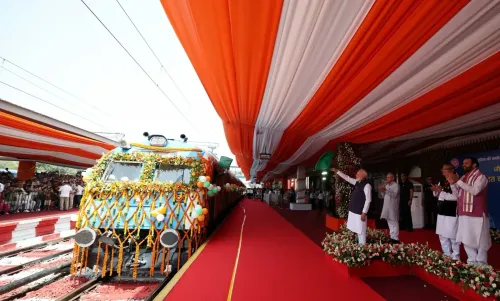
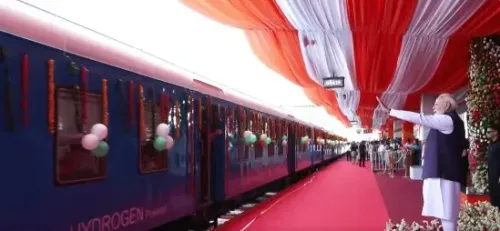
PM Modi flagged off India's first indigenous hydrogen-powered train on the Jind-Sonipat route in Haryana on 17 July 2025 .
The 10-coach trainset runs on a 1,200 kW PEM hydrogen fuel cell system, emitting only water vapour and heat.
It can carry approximately 2,600 passengers at a top speed of 110 kmph over the 89-km Jind-Sonipat section.
Indian Railways has built the country's first integrated railway hydrogen ecosystem at Jind , producing hydrogen via electrolysis on-site.
The project aligns with India's National Green Hydrogen Mission and follows electrification of over 99% of the broad gauge network.
Safety systems comply with standards set by the Petroleum and Explosives Safety Organisation (PESO) .
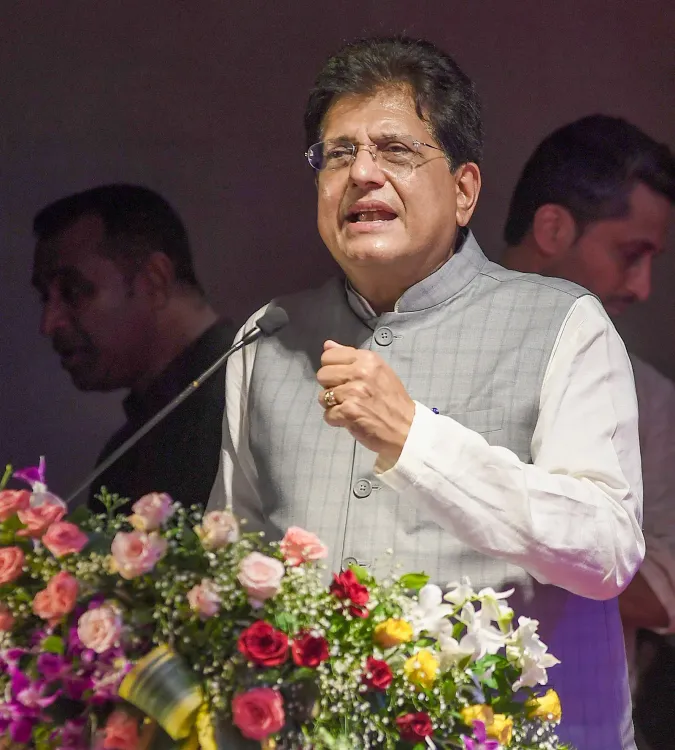
Prime Minister Narendra Modi flagged off India's first indigenous hydrogen-powered train on the Jind-Sonipat route in Haryana on 17 July 2025, marking what Union Commerce and Industry Minister Piyush Goyal called a 'truly historic moment' in the country's green mobility journey. The 10-coach trainset, powered by a 1,200 kW hydrogen fuel cell propulsion system, emits only water vapour, making it a near-zero emission mode of transport.
How the Technology Works
Unlike conventional diesel or electric trains, the hydrogen-powered train generates electricity onboard through a Proton Exchange Membrane (PEM) fuel cell. Hydrogen stored in onboard cylinders reacts with atmospheric oxygen inside the fuel cell to drive the train's traction motors, with water vapour and heat as the only by-products.
The train comprises two hydrogen driving power cars and eight trailer coaches, each power car producing 1,200 kW. It is designed to carry approximately 2,600 passengers and can achieve a maximum speed of 110 kmph, placing it among the largest hydrogen-powered passenger trainsets developed anywhere in the world.
India's First Integrated Railway Hydrogen Ecosystem
To support operations, Indian Railways has established the country's first integrated railway hydrogen ecosystem at Jind, where hydrogen is produced through electrolysis, compressed for storage, and supplied via dedicated refuelling infrastructure. This makes India part of a select group of nations pioneering hydrogen rail transport at scale.
The train will initially operate on the 89-km Jind-Sonipat section of Northern Railway, serving as both a functional service and a proof-of-concept for broader network deployment.
Safety Systems and Compliance
The project incorporates multiple safety mechanisms, including hydrogen leak detectors, flame, heat and smoke sensors, continuous ventilation, and automatic shutdown systems. According to the Ministry of Railways, the train complies with international safety standards and statutory requirements prescribed by the Petroleum and Explosives Safety Organisation (PESO).
Broader Green Strategy and Policy Alignment
The hydrogen train is a key plank of Indian Railways' wider green transition, which follows the electrification of more than 99 per cent of the country's broad gauge network. It also directly supports India's National Green Hydrogen Mission and the government's long-term net-zero commitments.
Minister Goyal, in a post on X, described the launch as a significant milestone in the country's journey towards Aatmanirbhar Bharat, reflecting what he called the government's commitment to innovation-led, sustainable growth. With indigenous hydrogen storage and refuelling infrastructure now operational at Jind, the project signals India's intent to build a self-reliant green transport ecosystem rather than rely on imported technology. How quickly Indian Railways scales this pilot across its vast network will be the defining question going forward.
Point of View
But the harder question is scalability. India has electrified over 99% of its broad gauge network — a genuine infrastructure achievement — yet hydrogen rail addresses a different problem: non-electrifiable or lightly trafficked routes where overhead wires are uneconomical. Whether the cost of green hydrogen production at Jind can be brought down fast enough to make this commercially viable across dozens of routes, rather than one showcase corridor, will determine if this is a turning point or a trophy project. The indigenous angle matters too: if India can export this technology stack, the Jind ecosystem becomes an industrial asset, not just a transport one.
NationPress
15 Oct 2026
Frequently Asked Questions
What is India's first hydrogen-powered train and where does it run?
India's first indigenous hydrogen-powered train is a 10-coach trainset that runs on the 89-km Jind-Sonipat section of Northern Railway in Haryana. It was flagged off by PM Narendra Modi on 17 July 2025 and is powered by a 1,200 kW Proton Exchange Membrane fuel cell system.
How does the hydrogen train generate power?
The train uses a Proton Exchange Membrane (PEM) fuel cell in which hydrogen stored in onboard cylinders reacts with atmospheric oxygen to generate electricity for the traction motors. The only by-products are water vapour and heat, making it a near-zero emission vehicle.
What is the passenger capacity and top speed of the hydrogen train?
The train is designed to carry approximately 2,600 passengers and can reach a maximum speed of 110 kmph, placing it among the largest hydrogen-powered passenger trainsets developed globally.
What safety systems does the hydrogen train have?
The train is equipped with hydrogen leak detectors, flame, heat and smoke sensors, continuous ventilation, and automatic shutdown mechanisms. It complies with international safety standards and requirements set by the Petroleum and Explosives Safety Organisation (PESO).
How does this project fit into India's broader green energy goals?
The hydrogen train supports India's National Green Hydrogen Mission and long-term net-zero targets. It complements Indian Railways' existing green push, which has already electrified more than 99% of the broad gauge network, and is backed by an indigenous hydrogen production and refuelling ecosystem established at Jind.