CM Fadnavis Pushes Drug Awareness Lessons in Maharashtra Schools
Synopsis
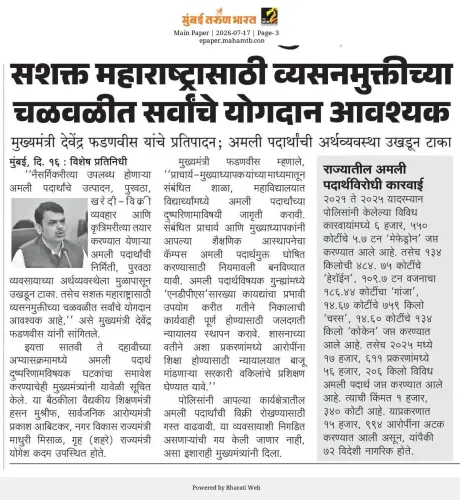
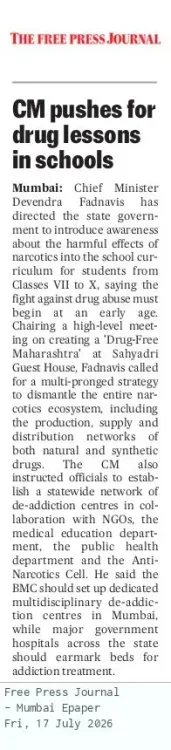
Chief Minister Devendra Fadnavis is pushing to introduce drug-awareness lessons in Maharashtra schools, extending the state's anti-narcotics focus from policing to preventive education under the Drug Free Maharashtra drive.
Key Takeaways
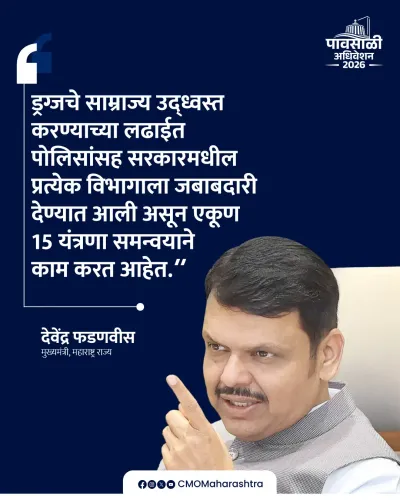
The Chief Minister's Office of Maharashtra announced on 17 July 2026 that CM Devendra Fadnavis is pushing for drug lessons in schools.
The initiative falls under the #DrugFreeMaharashtra campaign and targets school-going students across the state.
It aligns with the national Nasha Mukt Bharat Abhiyaan launched in 2020 , which urged states to integrate substance-abuse awareness into school activities.
Maharashtra has a history of pairing school-level anti-drug messaging with stricter policing of supply networks in Mumbai and border districts.
A formal notification from the state education department on curriculum changes or pilot modules is being watched as the next step.
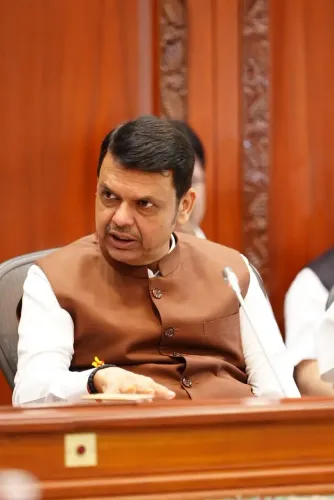
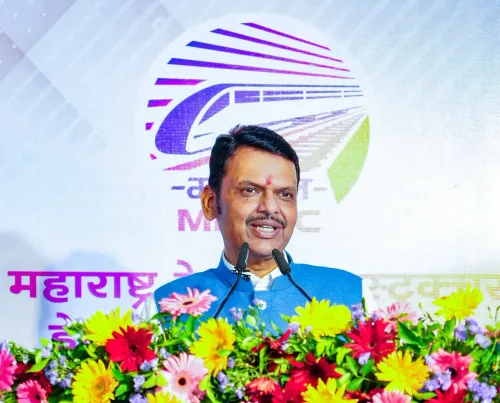
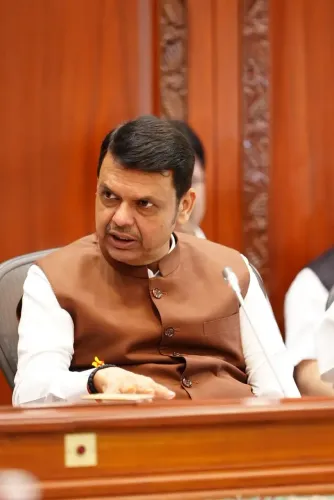
The Chief Minister's Office of Maharashtra on Friday, 17 July 2026, shared that Chief Minister Devendra Fadnavis is pushing for drug-awareness education to be introduced in schools across the state, signalling a policy thrust aimed at protecting young students from substance abuse.
Context
The post, shared under the hashtags #DrugFreeMaharashtra and #DevendraFadnavis, reflects the Chief Minister's intent to embed anti-drug messaging directly into the school curriculum. The move positions the classroom as a frontline tool in Maharashtra's broader battle against narcotics, targeting students before exposure to substance abuse can take root.
CM Fadnavis, who has previously championed law-enforcement-led anti-narcotics drives, is now extending that focus to preventive education — a shift from policing to pedagogy.
Policy Backdrop
The push aligns with the national Nasha Mukt Bharat Abhiyaan, launched in 2020, which encouraged states to weave substance-abuse awareness into school-level activities and community outreach. Maharashtra has been among the states running multiple anti-narcotics drives targeting both urban and rural youth.
Several Indian states have already added life-skills and health-education modules on substance abuse to school timetables since the early 2020s. Maharashtra governments have historically paired such school-level messaging with stricter enforcement against drug supply networks in Mumbai and border districts.
Stakeholders and Impact
The primary beneficiaries of such a curriculum push would be school students across Maharashtra, along with teachers who would be tasked with delivering the lessons. If implemented, the initiative could reach millions of students enrolled in state-board schools.
Civil-society groups and parent communities working on child welfare have long advocated for age-appropriate drug-education modules, arguing that awareness at an early age is among the most effective deterrents against future substance use. Teachers' associations are likely stakeholders in shaping how such content is delivered in classrooms.
What's Next
Observers will watch for a formal notification from the Maharashtra state education department detailing curriculum changes, pilot modules, or a phased rollout timeline for the next academic year. The CMO's public communication on the matter suggests the proposal is moving from intent to institutional planning.
Whether the initiative takes the form of a standalone subject, integration into existing health or social-studies modules, or extracurricular awareness programmes will define its reach and effectiveness across the state's diverse school landscape.
Point of View
Preventive intervention. It signals that the state government recognises policing alone cannot contain youth drug exposure and is now seeking to institutionalise awareness at the earliest possible stage. The alignment with the Centre's Nasha Mukt Bharat Abhiyaan also allows Maharashtra to present this as cooperative federalism in action. The real test will be in implementation — whether the push translates into a structured, funded curriculum module or remains a high-profile announcement without classroom traction.
NationPress
17 Jul 2026
Frequently Asked Questions
What is CM Devendra Fadnavis's plan for drug awareness in Maharashtra schools?
CM Devendra Fadnavis is pushing to introduce drug-awareness lessons in Maharashtra schools as part of the state's Drug Free Maharashtra campaign, aiming to educate students about the dangers of substance abuse before they are exposed to it.
What is the Drug Free Maharashtra campaign?
Drug Free Maharashtra is a state-level initiative under which the Maharashtra government has been running anti-narcotics drives targeting urban and rural youth, combining school-level awareness messaging with stricter enforcement against drug supply networks.
How does this relate to the Nasha Mukt Bharat Abhiyaan?
The Nasha Mukt Bharat Abhiyaan is a national programme launched in 2020 that encouraged states to integrate substance-abuse awareness into school activities. Maharashtra's school drug-lesson push aligns with this central government framework.
Which students will be affected by drug lessons in Maharashtra schools?
The initiative is expected to target school students across Maharashtra, with teachers being key delivery agents. The exact age groups or grade levels will depend on the curriculum design notified by the state education department.
What is the next step after CM Fadnavis's announcement on drug education?
The next step to watch is a formal notification from the Maharashtra state education department outlining curriculum changes, pilot modules, or a rollout timeline, which would convert the Chief Minister's stated intent into an actionable school programme.