India's hydrogen train IP rights open export door: Vaishnaw
Synopsis
India's first hydrogen fuel cell train isn't just a green milestone — it's a potential export product. With full IP rights retained domestically, Indian Railways is signalling a shift from technology buyer to technology seller, and the Jind–Sonipat corridor is the proof-of-concept that could open global doors.
Key Takeaways
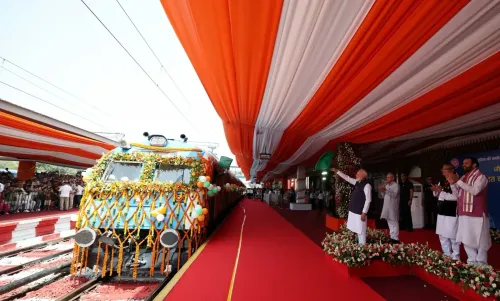
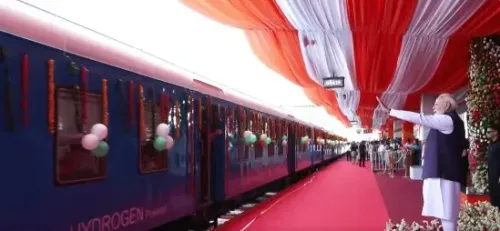
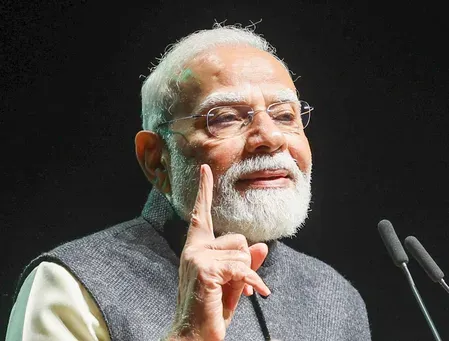
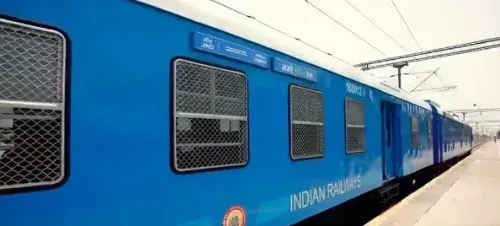
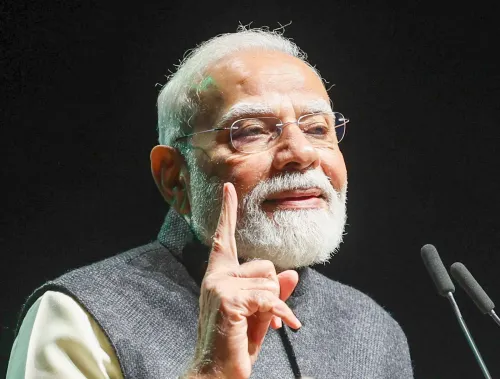
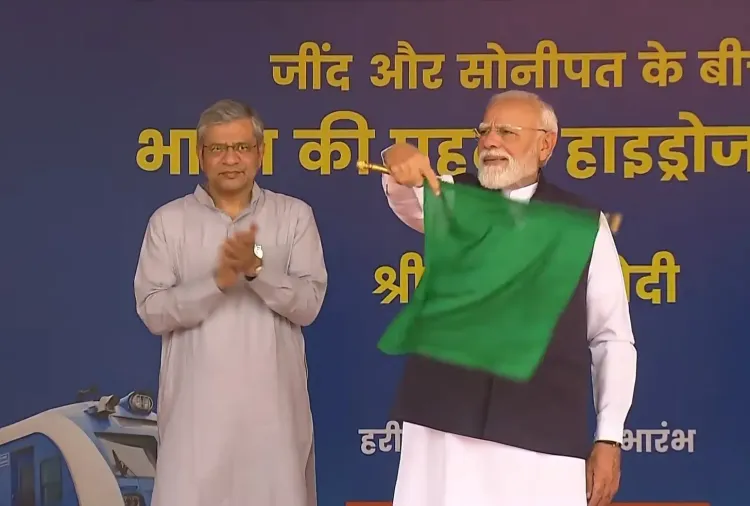
Prime Minister Narendra Modi flagged off India's first hydrogen fuel cell-powered train at Jind, Haryana on 17 July .
The 10-coach train runs between Jind and Sonipat , covering approximately 90 km in about two hours .
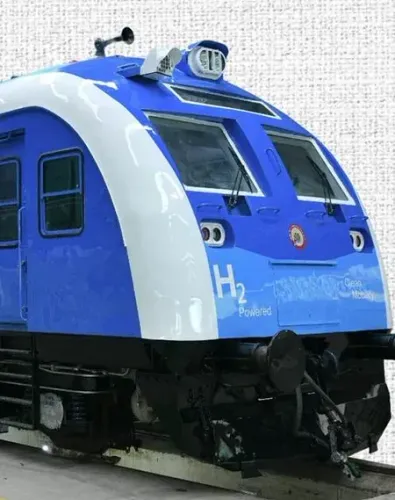
The train is powered by a 2,400 kW hydrogen propulsion system ( 3,200 HP ) developed entirely with indigenous technology.
India retains full IP rights over the hydrogen propulsion technology, enabling future exports, according to Railways Minister Ashwini Vaishnaw .
The train emits only water vapour , making it one of the cleanest rail transport modes in operation.
India joins a select group of countries operating hydrogen-powered passenger railways, with over 99% of its broad gauge network already electrified.
Union Minister for Railways Ashwini Vaishnaw on Friday, 17 July confirmed that India holds complete intellectual property (IP) rights over its indigenously developed hydrogen train technology, positioning the country to export the system to global markets. The announcement came as Prime Minister Narendra Modi flagged off India's first hydrogen fuel cell-powered train at Jind, Haryana, marking a landmark moment in the country's green mobility push.
What the Technology Delivers
The 10-coach hydrogen fuel cell-powered train is fitted with a 2,400 kW hydrogen propulsion system — entirely developed using indigenous technology — and runs on a 3,200 HP powertrain. The train operates between Jind and Sonipat in Haryana, covering the approximately 90-km route in around two hours. Crucially, it generates electricity onboard through hydrogen combustion and emits only water vapour, making it among the cleanest rail transport options currently in operation anywhere in the world.
India's IP Ownership and Export Potential
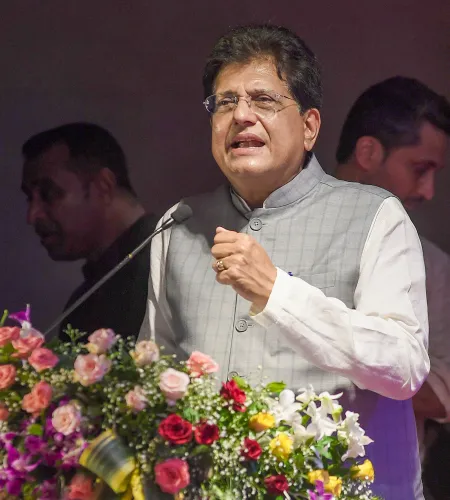
'Railways has developed a complete 2,400 kW hydrogen propulsion system for the transportation sector, which has been fitted in this train. This technology is completely indigenous and reflects the vision of an 'Aatmanirbhar Bharat',' Vaishnaw said. He added that India's ownership of the full IP stack for this propulsion system creates a concrete pathway for technology exports, a dimension rarely associated with Indian Railways projects. Hydrogen, the minister noted, is an emerging fuel not only domestically but across global transport networks.
Where India Stands Globally
With this launch, India joins a select group of countries — including Germany, the United Kingdom, and China — that have operationalised hydrogen-powered passenger rail. Notably, this is India's first such deployment on the broad gauge network, which already exceeds 99 per cent electrification. The hydrogen train adds a zero-emission layer to a network that has sharply reduced diesel dependence over the past decade.
Part of a Broader Rail Modernisation Drive
Vaishnaw described the project as integral to a railway modernisation programme spanning the past 12 years under Prime Minister Modi's leadership. The launch signals Indian Railways' ambition to move beyond electrification toward next-generation clean propulsion — and, for the first time, to position itself as a technology exporter rather than solely a technology importer. Industry observers note that if the Jind–Sonipat corridor demonstrates operational reliability, it could accelerate interest from countries seeking affordable hydrogen rail solutions.
Point of View
Or whether this remains a showcase run. Germany's Coradia iLint took years of commercial operation before attracting serious international interest. India's timeline to export credibility will depend entirely on how this corridor performs over the next 12–18 months — not on the flag-off ceremony.
NationPress
15 Oct 2026
Frequently Asked Questions
What is India's first hydrogen train and where does it run?
India's first hydrogen fuel cell-powered train is a 10-coach rake fitted with an indigenously developed 2,400 kW propulsion system. It operates between Jind and Sonipat in Haryana, covering the approximately 90-km route in about two hours.
Does India own the technology used in the hydrogen train?
Yes. Railways Minister Ashwini Vaishnaw confirmed that India holds complete intellectual property rights over the hydrogen propulsion technology. This makes it one of the few countries to own — rather than license — hydrogen rail propulsion systems, and opens the door for future technology exports.
How does the hydrogen train work and why is it considered clean?
The train generates electricity onboard by using hydrogen as fuel, emitting only water vapour as a byproduct. With a 3,200 HP powertrain and zero harmful emissions, it is considered one of the cleanest modes of rail transport currently in operation.
Which countries operate hydrogen-powered trains?
India now joins a select group including Germany, the United Kingdom, and China that have operationalised hydrogen-powered passenger rail. India's deployment is notable for being built on fully indigenous technology with domestic IP ownership.
How does this fit into Indian Railways' broader green energy goals?
The hydrogen train launch follows Indian Railways electrifying more than 99 per cent of its broad gauge network, significantly reducing diesel dependence. The hydrogen corridor represents the next phase — moving from electrification to zero-emission propulsion — as part of a modernisation drive described as spanning the past 12 years.