Sonowal pays tribute on Partition Horrors Remembrance Day
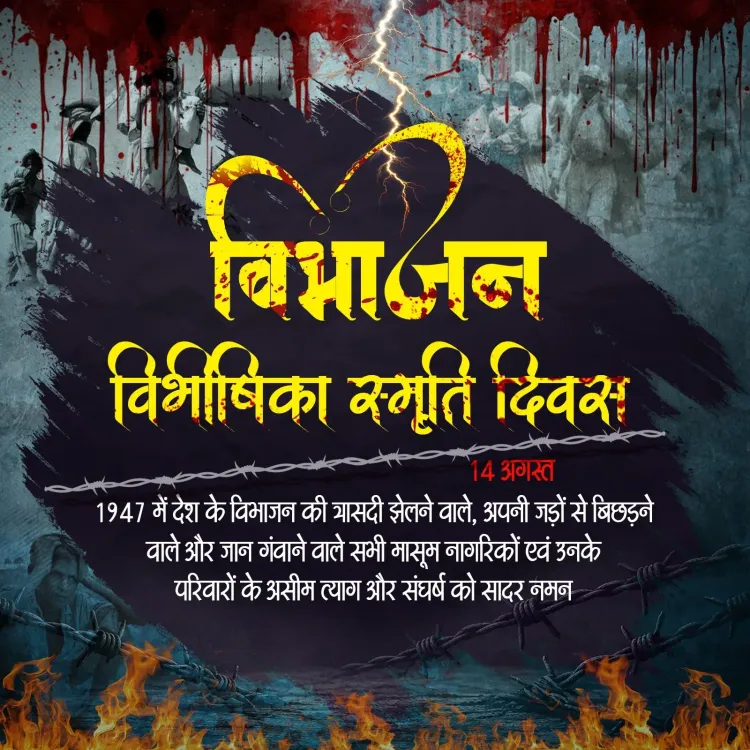
Synopsis
On Vibhajan Vibhishika Smriti Diwas, 14 August 2026, Union Minister Sarbananda Sonowal paid solemn tribute to Partition victims, honouring survivors' resilience and calling on Indians to pledge unity against hate — on the eve of India's 79th Independence Day.
Key Takeaways
Sarbananda Sonowal , Union Minister of Ports, Shipping and Waterways, posted a solemn tribute on 14 August 2026 for Vibhajan Vibhishika Smriti Diwas .
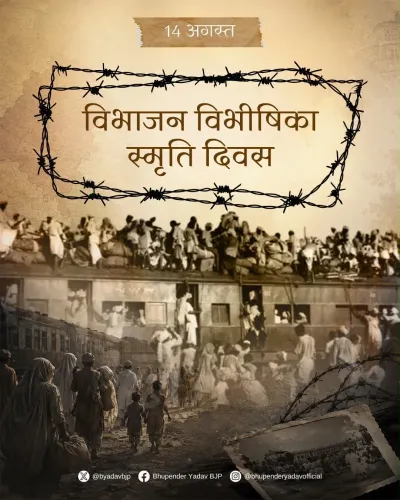
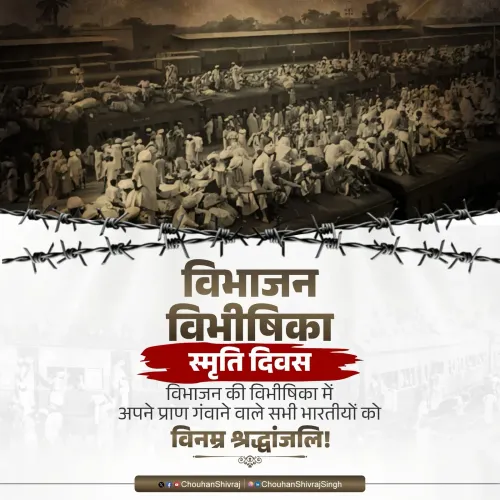
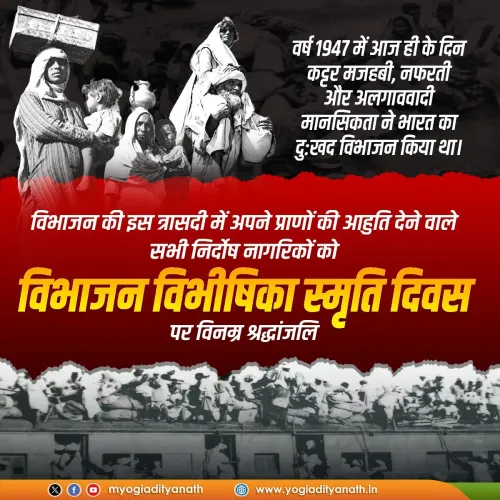
The day commemorates the victims of the 1947 Partition of India , one of history's largest and most violent forced migrations.
The Union Government declared 14 August as Partition Horrors Remembrance Day in 2021 , timed deliberately to the eve of Independence Day.
Sonowal's tribute honoured both those who perished and those who 'survived and rebuilt their lives from the ashes.' His post closed with a pledge to 'safeguard India's unity' and ensure 'the light of hope triumphs over the darkness of hate.' The observance is part of an annual pattern of official remembrance events emphasising national unity and rejection of communal division.
Seventy-nine years after one of history's most violent mass displacements, India pauses on 14 August to remember — and Union Minister of Ports, Shipping and Waterways Sarbananda Sonowal added his voice to that solemn reckoning, marking Vibhajan Vibhishika Smriti Diwas with a call for unity over hate.
Sonowal wrote: 'The unimaginable horrors of Partition move every Indian heart with a deep sense of anguish. On Vibhajan Vibhishika Smriti Diwas, I pay my solemn tribute to those who lost their lives and bow to the resilience of those who survived and rebuilt their lives from the ashes.'
A day born from the wounds of 1947
The Partition of India in 1947 — the division of British India into independent India and Pakistan — triggered one of the largest forced migrations in recorded history. Millions were uprooted; hundreds of thousands were killed in communal violence that swept across Punjab, Bengal, and beyond. Families were sundered, homes abandoned, entire communities erased overnight.
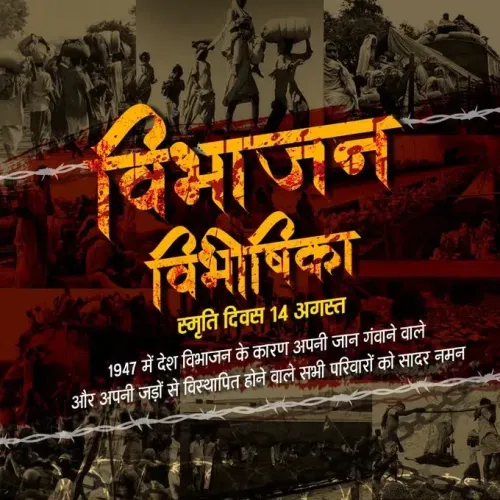
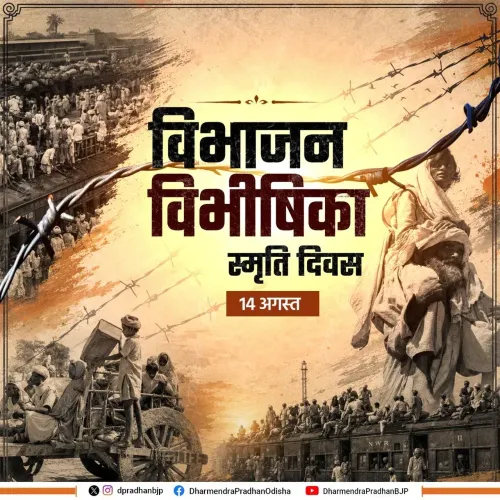
It was against this backdrop that the Union Government in 2021 declared 14 August as Partition Horrors Remembrance Day — Vibhajan Vibhishika Smriti Diwas — an annual observance to ensure that suffering is neither forgotten nor repeated. The date, the eve of Independence Day, carries a deliberate weight: freedom and its cost, inseparable.
Resilience over ashes, unity over division
Sonowal's tribute centred not only on grief but on the survivors — those who, in his words, 'rebuilt their lives from the ashes.' The closing pledge in his post sharpened the message: 'let us together pledge to safeguard India's unity and ensure that the light of hope triumphs over the darkness of hate.'
The framing reflects the broader official posture that has accompanied this observance since its inception — remembrance as a living civic commitment, not merely a historical footnote. For Partition-affected families and their descendants, the day offers a formal, state-acknowledged space for grief that was, for decades, largely private.
As India marks 79 years of independence on 15 August 2026, the remembrance the day before serves as a reminder that the freedom celebrated was paid for in a currency of extraordinary human cost — and that the unity it produced remains a project, not a given.
Point of View
Reinforcing the government's messaging that remembrance is inseparable from the civic duty of preserving national cohesion. The emphasis on survivor resilience alongside mourning is notable: it positions the Partition not just as a wound but as a testament to India's capacity to endure. As the country approaches its 80th year of independence, official observances like this carry increasing symbolic weight in shaping how younger generations relate to a trauma most know only through family memory.
NationPress
14 Aug 2026
Frequently Asked Questions
What is Vibhajan Vibhishika Smriti Diwas?
Vibhajan Vibhishika Smriti Diwas, or Partition Horrors Remembrance Day, is an annual observance on 14 August to commemorate the victims of the 1947 Partition of India . The Union Government declared it in 2021 to honour those who lost their lives and those who were displaced during one of history's largest forced migrations.
Why is Partition Remembrance Day observed on 14 August?
14 August was chosen deliberately — it is the eve of India's Independence Day on 15 August — to link the freedom India gained with the immense human cost paid through the violence and displacement of Partition in 1947 .
Who declared Partition Horrors Remembrance Day in India?
The Union Government of India declared 14 August as Partition Horrors Remembrance Day in 2021 , making it an official annual observance.
What did Sarbananda Sonowal say on Partition Remembrance Day 2026?
Sarbananda Sonowal , Union Minister of Ports, Shipping and Waterways, paid tribute to Partition victims on 14 August 2026 , honouring those who perished and bowing to the resilience of survivors. He called on Indians to pledge to safeguard national unity and let 'the light of hope triumph over the darkness of hate.'
How many people were affected by the 1947 Partition of India?
The 1947 Partition of India triggered one of the largest forced migrations in history, uprooting millions of people across Punjab, Bengal, and beyond, with hundreds of thousands killed in communal violence. Precise figures vary across historical accounts.