Sonowal Pays Tribute to Chandra Shekhar Azad on Jayanti
Synopsis
Union Minister Sarbananda Sonowal marked the birth anniversary of revolutionary freedom fighter Chandra Shekhar Azad on 23 July 2026, honouring his bravery and supreme sacrifice. Azad, born in 1906, remains a defining symbol of India's armed resistance against British colonial rule.
Key Takeaways
Union Minister Sarbananda Sonowal posted a tribute to Chandra Shekhar Azad on his jayanti , 23 July 2026 .
Azad was born on 23 July 1906 and is celebrated as one of India's foremost revolutionary freedom fighters.
He is associated with the Kakori train robbery of 1925 and died on 27 February 1931 at Alfred Park, Allahabad .
Sonowal described Azad's bravery and sacrifice as a continuing source of inspiration for generations of Indians.
Such tributes form part of wider official efforts to commemorate all streams of India's freedom movement, including the revolutionary nationalist tradition.
Union Minister of Ports, Shipping and Waterways Sarbananda Sonowal on Thursday, 23 July 2026, paid tribute to revolutionary freedom fighter Chandra Shekhar Azad on his birth anniversary, honouring his sacrifice for the nation.
Context
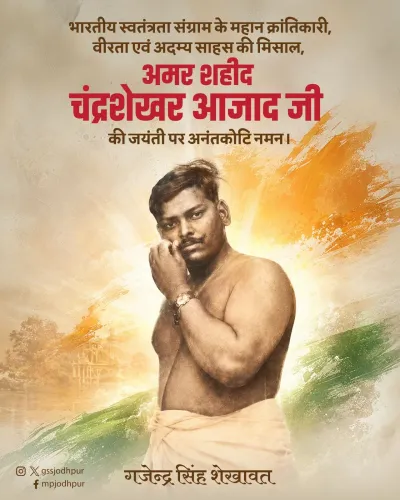
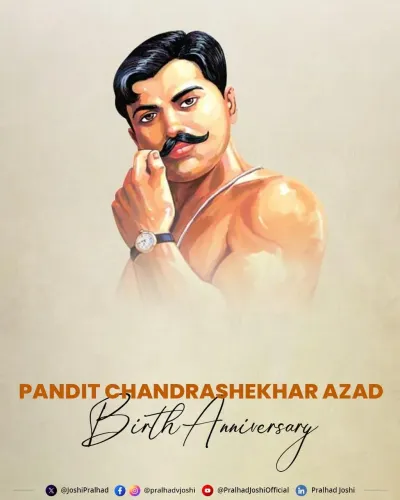
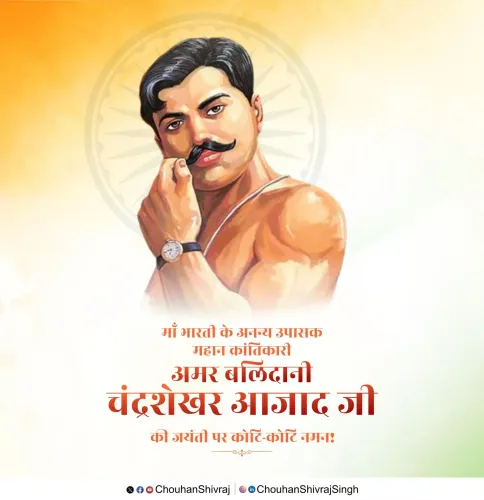
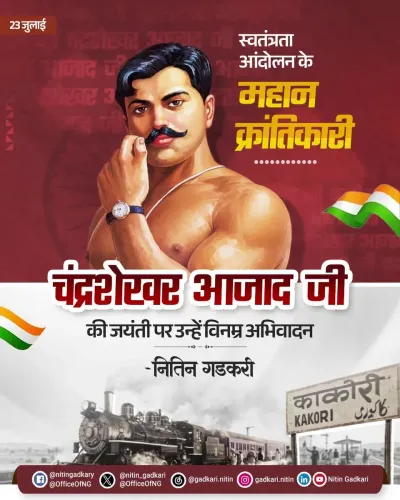
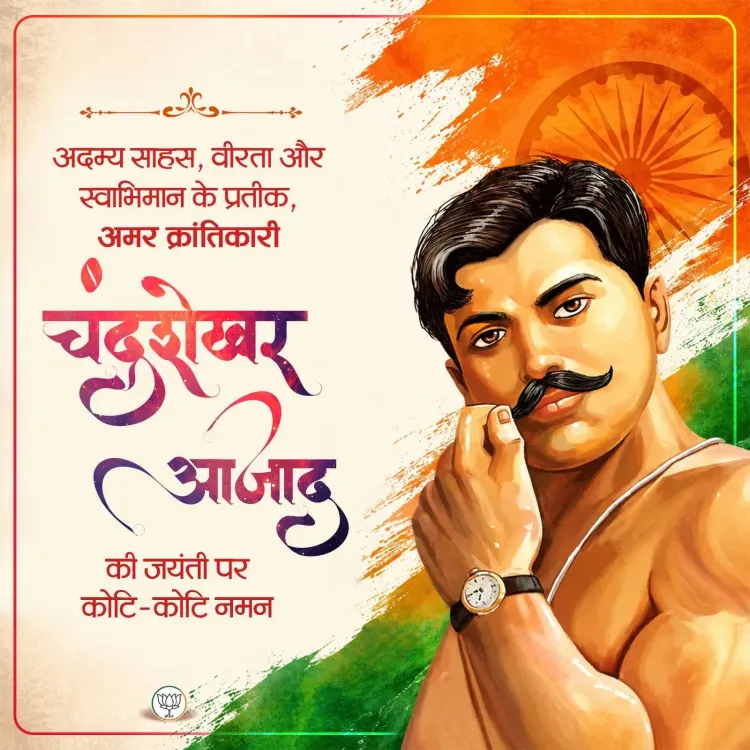
Sonowal's post described Azad as a 'fearless freedom fighter' whose 'unmatched bravery and supreme sacrifice for Maa Bharati continue to inspire generations.' The tribute was accompanied by an image and posted on the occasion of Azad's jayanti (birth anniversary).
Chandra Shekhar Azad was born on 23 July 1906 in what is present-day Madhya Pradesh. He remains one of the most celebrated figures of India's revolutionary nationalist movement, remembered for his uncompromising resolve to resist British colonial rule.
Policy Backdrop
Union ministers and senior government functionaries regularly mark the birth and death anniversaries of independence-era figures on social media as part of broader official efforts to commemorate multiple streams of the freedom movement. Revolutionary nationalists such as Azad, alongside figures from other traditions, are increasingly highlighted in public outreach under government initiatives tied to India's independence legacy.
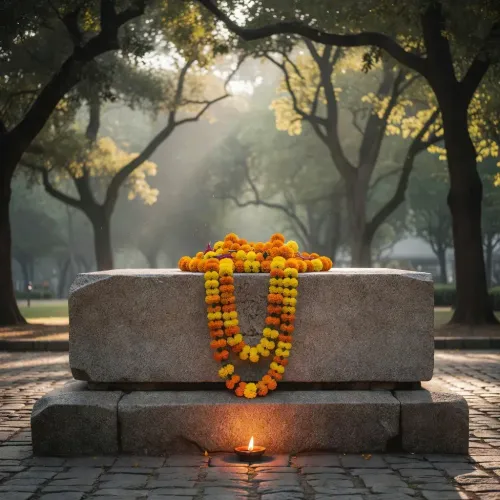
Azad is closely associated with the Kakori train robbery of 1925, a landmark act of armed resistance against British authorities. He died on 27 February 1931 at Alfred Park in Allahabad — now renamed Chandra Shekhar Azad Park — after a confrontation with British police, having vowed never to be taken alive. He shot himself to honour that pledge.
Stakeholders and Impact
Such commemorations carry symbolic weight for Indian citizens across generations, reinforcing the legacy of the armed revolutionary wing of the independence movement. For the ruling establishment, these tributes signal a commitment to recognising all strands of the freedom struggle in national memory.
Azad's story continues to feature in school curricula, cultural programming, and public monuments. His jayanti is observed annually by political leaders, civil society organisations, and citizens, particularly in Uttar Pradesh and Madhya Pradesh, the states most closely linked to his life and martyrdom.
What's Next
Commemorations around Azad's legacy are expected to intensify around his martyrdom anniversary on 27 February each year, as well as during national events tied to India's independence milestones. As the government continues to integrate revolutionary nationalist histories into public outreach, tributes from senior ministers such as Sonowal are likely to remain a consistent feature of official remembrance. The enduring resonance of Azad's sacrifice ensures his jayanti will continue to draw formal acknowledgement at the highest levels of government.
Point of View
The government signals an expansive view of India's independence heritage that resonates with a broad cross-section of citizens. Azad's legacy — armed, uncompromising, and deeply patriotic — carries particular symbolic currency in the current political climate. These commemorations also serve to embed official remembrance into the national calendar, reinforcing continuity between the freedom struggle and present governance.
NationPress
23 Jul 2026
Frequently Asked Questions
When is Chandra Shekhar Azad's jayanti?
Chandra Shekhar Azad's jayanti (birth anniversary) falls on 23 July each year. He was born on 23 July 1906 .
Why did Sarbananda Sonowal pay tribute to Chandra Shekhar Azad?
Union Minister Sarbananda Sonowal paid tribute to mark Azad's birth anniversary on 23 July 2026 , honouring his bravery and sacrifice in the Indian freedom struggle.
Who was Chandra Shekhar Azad?
Chandra Shekhar Azad was a revolutionary Indian freedom fighter born in 1906. He was a key figure in the armed resistance against British rule and is known for the Kakori train robbery of 1925 . He died on 27 February 1931 in Allahabad, having vowed never to be captured alive.
What is Chandra Shekhar Azad Park?
Chandra Shekhar Azad Park in Allahabad (Prayagraj) , formerly called Alfred Park, is the site where Azad died on 27 February 1931 during a confrontation with British police. The park was renamed in his honour.
How do Indian ministers commemorate freedom fighters?
Union ministers and senior government officials regularly post tributes on social media on the birth and death anniversaries of freedom fighters. These form part of broader official efforts to preserve and promote India's independence heritage across multiple traditions.