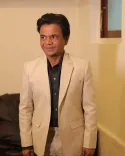
Stalin urges DMK cadres to submit feedback by May 31
Synopsis
DMK president M. K. Stalin has urged party members, elected representatives, and the public to register suggestions on udanpirapinkural.in by May 31, 2026. The portal has already received 4.60 lakh comments. Stalin says he will personally review all inputs to plan the party's next steps.
Key Takeaways
Stalin announced the party's feedback portal udanpirapinkural.in has received 4.60 lakh comments so far.
Stalin set a deadline of May 31, 2026 for all submissions to the portal.
He stated that all suggestions — from cadres, sympathisers, and the general public — will reach him directly.
State-level office-bearers, district secretaries, MLAs , and MPs were specifically asked to amplify the message via social media and WhatsApp groups.
Stalin confirmed he will personally review the inputs to plan the DMK's next course of action .
The initiative continues the party's tradition of structured grassroots consultation, now extended to a dedicated digital platform.
DMK president M. K. Stalin on Wednesday, May 27, 2026, called on party members, functionaries, and the general public to register their suggestions on the party's dedicated feedback portal udanpirapinkural.in before the May 31 deadline, disclosing that the platform has already received 4.60 lakh comments since its launch.
Context
In a post addressed to 'அன்பு உடன்பிறப்புகளே' ('Dear siblings'), Stalin said the primary purpose of the portal is to allow every person — without any hesitation — to record whatever thoughts come to mind, with those inputs reaching him directly. He urged state-level office-bearers, district secretaries, Members of the Legislative Assembly, Members of Parliament, and all key functionaries to share the message across their social media pages and WhatsApp groups so that the call reaches every party member.
Stalin stated that he will personally study suggestions submitted by party administrators, sympathisers, and ordinary citizens alike before charting the DMK's next course of action.
Policy Backdrop
The Dravida Munnetra Kazhagam (DMK), founded in 1949 and in power in Tamil Nadu since 2021, has a documented practice of structured grassroots consultation. Ahead of the 2021 Tamil Nadu assembly elections, the party conducted district-level consultations and gathered cadre and expert feedback to shape its manifesto.
The udanpirapinkural.in portal represents the digital extension of this tradition, combining the party's conventional ground-level organisational network with an online channel designed to aggregate unstructured, wide-ranging feedback directly to the leadership.
Stakeholders and Impact
The call is directed at a broad cross-section: rank-and-file DMK cadres, elected representatives at both the state and national level, party sympathisers, and members of the general public in Tamil Nadu. By explicitly naming MLAs, MPs, and district secretaries as amplifiers, Stalin is mobilising the party's entire organisational hierarchy to maximise participation before the deadline.
Regional parties across India have increasingly turned to dedicated digital platforms to solicit feedback from members and citizens, using the data to signal policy responsiveness and maintain organisational cohesion. The DMK's approach mirrors this broader pattern while retaining a distinctly Dravidian political idiom of direct, fraternal communication from the party president.
What's Next
With the feedback window closing on May 31, 2026, the party's internal review process is expected to begin shortly after. Analysts and party watchers will look for announcements of new programmes, welfare scheme expansions, or administrative course corrections at upcoming DMK general council or executive committee meetings. The scale of public participation — already at 4.60 lakh submissions — will likely shape the political messaging the party adopts heading into the next electoral cycle.
Point of View
MPs, and district secretaries as message amplifiers, the exercise doubles as an organisational audit of the party's digital reach. The direct-to-leader feedback model reinforces Stalin's image as an accessible, consultative president at a time when DMK must demonstrate governance responsiveness ahead of future electoral contests. Historically, such structured feedback rounds in Dravidian politics have preceded significant programmatic announcements, making the post-deadline period worth watching closely.
NationPress
11 Oct 2026
Frequently Asked Questions
What is udanpirapinkural.in?
udanpirapinkural.in is a DMK-run online portal that allows party members, sympathisers, and ordinary citizens to submit suggestions and feedback directly to party president M. K. Stalin, who has said he reviews the inputs personally.
What is the deadline to submit feedback on udanpirapinkural.in?
DMK president M. K. Stalin has set May 31, 2026 as the deadline for all submissions on the udanpirapinkural.in portal.
How many comments has udanpirapinkural.in received?
According to M. K. Stalin's post on May 27, 2026 , the portal has received 4.60 lakh (460,000) comments so far.
Who can submit feedback on udanpirapinkural.in?
The portal is open to DMK cadres, party administrators, sympathisers, and members of the general public. Stalin has encouraged everyone to participate without hesitation.
What will DMK do with the feedback collected?
Stalin has stated that he will personally study all suggestions submitted and use them to plan the DMK's next course of action, which could include new programmes or policy adjustments announced at upcoming party meetings.