Surat drug crackdown 2026: 320 arrested in 257 narcotics cases, ganja leads
Synopsis
Surat City Police have logged 257 narcotics cases and 320 arrests in 2026, with ganja alone accounting for 178 of those cases. The numbers, presented at a 25-agency N-Cord review meeting on 29 October, reveal a ₹3.34 crore drug haul and spotlight the growing presence of synthetic MD drugs alongside conventional cannabis — a dual challenge for one of Gujarat's largest cities.
Key Takeaways
Surat City Police registered 257 narcotics cases and made 320 arrests in 2026 so far.
Ganja dominated with 178 cases , 219 arrests , and 414 kg seized — valued at ₹1.92 crore .
MD drugs formed the second-largest category: 54 cases , 70 arrests , and 2.211 kg seized worth ₹75.08 lakh .
Total value of all seized substances across all drug types: ₹3.34 crore .
Dedicated NDPS squads were established at all Surat police stations on 22 April 2025 and have since improved case detection.
The N-Cord committee coordinates 25 agencies and meets monthly to review enforcement and plan ahead.
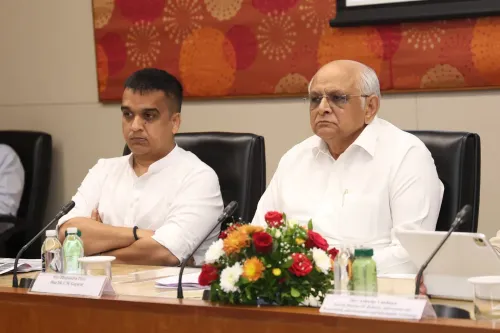
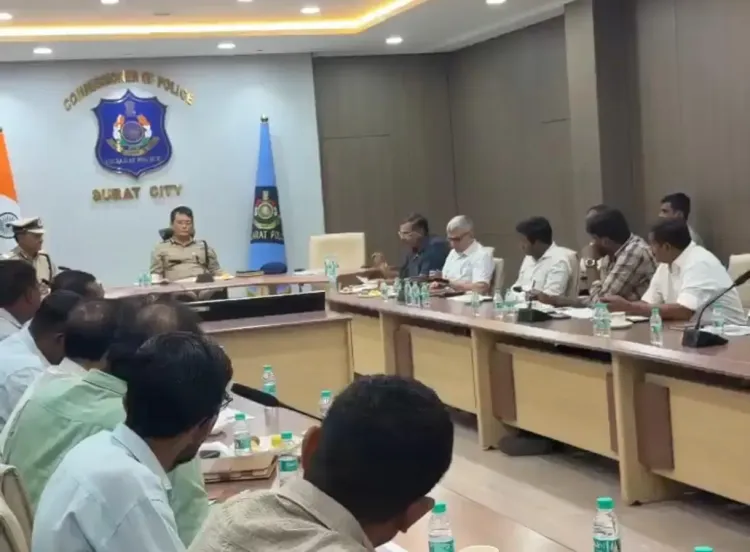
Surat City Police have registered 257 narcotics cases and arrested 320 individuals in 2026 so far, with ganja (cannabis) accounting for the largest share of seizures, according to data presented at a Narco Coordination Centre (N-Cord) committee meeting held on 29 October 2026. The meeting was chaired by Surat Police Commissioner Wabang Jamir and reviewed inter-agency efforts to curb drug trafficking across the city.
Ganja Dominates the Numbers
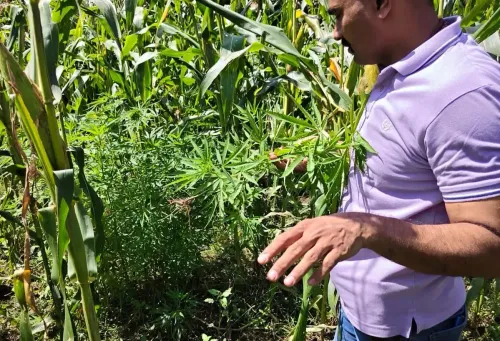
Of the 257 total cases, 178 — nearly 70% — involved ganja, leading to the arrest of 219 people. Police seized 414 kg of the substance, valued at ₹1.92 crore. The figures underscore cannabis as the most widely trafficked narcotic in Surat this year.
Hybrid ganja featured in six separate cases, with 778 grams valued at ₹27.23 lakh seized and seven people arrested — indicating the emergence of higher-potency variants alongside conventional cannabis.
MD Drugs, Heroin and Other Substances
MD drugs (methamphetamine derivatives) formed the second-largest category, with 54 cases resulting in the arrest of 70 people and the seizure of 2.211 kg valued at ₹75.08 lakh. Notably, the per-kilogram street value of MD drugs far exceeds that of ganja, reflecting the premium synthetic narcotics command in local markets.
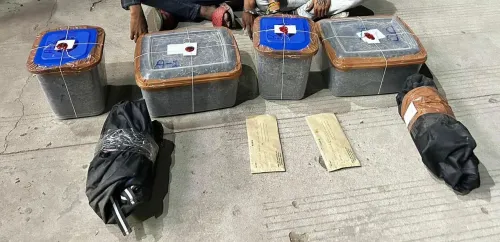
Police also recorded five heroin cases involving 58 grams valued at ₹11.75 lakh, five opium cases involving 3.339 kg valued at ₹16.46 lakh, one brown sugar case involving 7 grams valued at ₹1.40 lakh, one poppy husk case involving 1.767 kg valued at ₹26,505, three codeine syrup cases, and one case involving intoxicating tablets. The total value of all seized substances across all categories stood at ₹3.34 crore.
NDPS Squads and Station-Level Enforcement
The N-Cord meeting also reviewed the functioning of dedicated NDPS (Narcotic Drugs and Psychotropic Substances Act) squads set up at every police station in Surat City on 22 April 2025, on the directions of the Police Commissioner. According to police, the squads have improved case detection rates since their establishment. This is the kind of structural enforcement shift — pushing anti-narcotics capacity down to station level — that experts have long recommended for Tier-1 cities with high narcotics exposure.
N-Cord: A 25-Agency Coordination Framework
The N-Cord committee brings together representatives of 25 departments and agencies, including the Surat Municipal Corporation, Narcotics Control Bureau (NCB), Customs, Directorate of Revenue Intelligence (DRI), Central GST, Forest Department, education and agriculture departments, the Indian Coast Guard, health authorities, the Prohibition and Excise Department, and the Intelligence Bureau. The committee convenes monthly to assess the drug situation, review preceding-month enforcement, and draft an action plan for the period ahead.
Its mandate includes monitoring trafficking routes, facilitating real-time intelligence exchange, and ensuring that even small but operationally significant leads are shared across agencies — a response to earlier criticism that siloed enforcement allowed trafficking networks to exploit coordination gaps.
What Comes Next
With the year's data now formally on record, the N-Cord committee is expected to use the 29 October meeting's findings to calibrate its enforcement priorities for the final quarter of 2026. The continued dominance of ganja and the rising synthetic drug caseload suggest that both supply-side interdiction and demand-side awareness will remain central to Surat's anti-narcotics agenda in the months ahead.
Point of View
While the rise of MD drug cases signals that synthetic narcotics — harder to detect and more profitable per gram — are gaining ground. The N-Cord framework is structurally sound, but monthly committee meetings are only as effective as the quality of intelligence shared; the real test is whether the 25 agencies exchange leads in real time or merely at review sessions. Station-level NDPS squads are a step forward, but Surat's position as a major commercial hub means trafficking networks will keep adapting. The next metrics to watch are conviction rates and repeat-offender recidivism — arrest numbers alone do not capture deterrence.
NationPress
29 Oct 2026
Frequently Asked Questions
How many narcotics cases did Surat police register in 2026?
Surat City Police registered 257 narcotics cases and arrested 320 people in 2026 so far, according to data presented at the N-Cord committee meeting on 29 October 2026. The total value of seized substances across all cases was ₹3.34 crore.
Which drug was most commonly seized in Surat in 2026?
Ganja (cannabis) was the most frequently seized drug, featuring in 178 of the 257 cases and accounting for 219 of the 320 arrests. Police seized 414 kg of ganja valued at ₹1.92 crore.
What is the N-Cord committee and what does it do?
The Narco Coordination Centre (N-Cord) committee is a multi-agency body comprising representatives of 25 departments including the NCB, Customs, DRI, Indian Coast Guard, and Intelligence Bureau. It meets monthly to review drug enforcement action, assess the prevailing narcotics situation, and coordinate intelligence-sharing among agencies.
When were NDPS squads set up at Surat police stations?
Dedicated NDPS squads were established at all police stations in Surat City on 22 April 2025, on the directions of the Police Commissioner. Police say the squads have improved detection rates under the Narcotic Drugs and Psychotropic Substances Act since their formation.
How significant were MD drug seizures in Surat's 2026 narcotics data?
MD drugs formed the second-largest category with 54 cases, 70 arrests, and 2.211 kg seized, valued at ₹75.08 lakh. While smaller in volume than ganja, the high per-gram value of MD drugs signals a growing synthetic narcotics challenge for city enforcement.