Tabu moves Delhi HC to protect personality rights against AI misuse
Synopsis
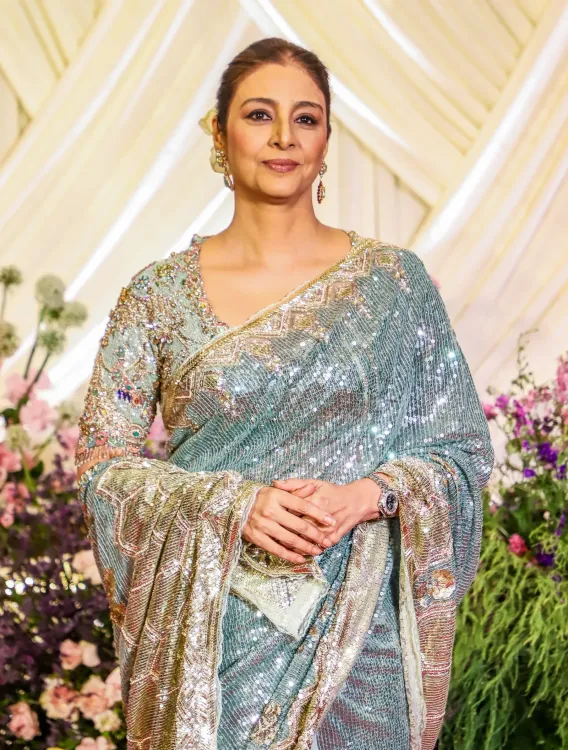
Tabu has joined a growing list of Indian celebrities taking the Delhi High Court route to fight AI-generated impersonation and unauthorised identity use. With no dedicated deepfake law in India, each such petition is quietly building the country's personality-rights jurisprudence — and the outcomes could eventually force legislative action.
Key Takeaways
Actress Tabu filed a petition in the Delhi High Court on 4 August seeking protection of her personality and publicity rights.
The petition targets alleged unauthorised use of her name, image, likeness, and AI-generated impersonations.
Justice Jyoti Singh noted discrepancies in the pleadings and directed a fresh memo of parties to be filed.
The matter has been listed for the next hearing on 6 August .
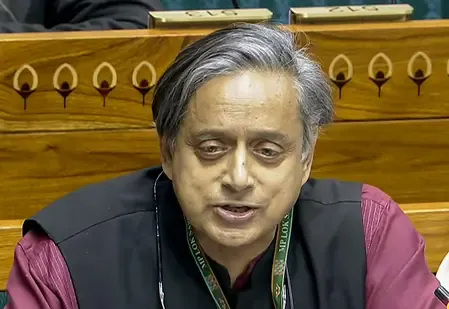
Tabu joins a long list including Gautam Gambhir , Aishwarya Rai Bachchan , Karan Johar , and Shashi Tharoor who have sought similar relief from the same court.
India has no dedicated statutory framework for personality rights or deepfake regulation, making courts the primary recourse.
Actress Tabu has approached the Delhi High Court seeking legal protection of her personality and publicity rights against the alleged unauthorised use of her name, image, likeness, and other identity attributes — including through artificial intelligence (AI)-generated content and digital impersonation. The petition was heard on 4 August before a single-judge Bench of Justice Jyoti Singh.
What Happened in Court
During the hearing, Justice Jyoti Singh noted certain discrepancies in the pleadings filed on behalf of the actress. The judge directed senior advocate Swathi Sukumar, appearing for Tabu, to file a fresh memo of parties, observing that the existing memo did not correctly mention details of some of the defendants.
Justice Singh emphasised that accurate particulars of all parties were essential for proper adjudication of the case and directed that the defects be rectified at the earliest. Following these directions, the court deferred further proceedings and listed the matter for 6 August.
What the Petition Raises
Tabu's plea is understood to raise concerns over the unauthorised commercial exploitation and misuse of her identity and likeness in the digital space. The petition specifically flags the use of AI-generated content and deepfakes as vectors of impersonation — a concern that has grown rapidly with the proliferation of generative AI tools capable of replicating a public figure's voice, face, and persona.
A Growing Trend at Delhi HC
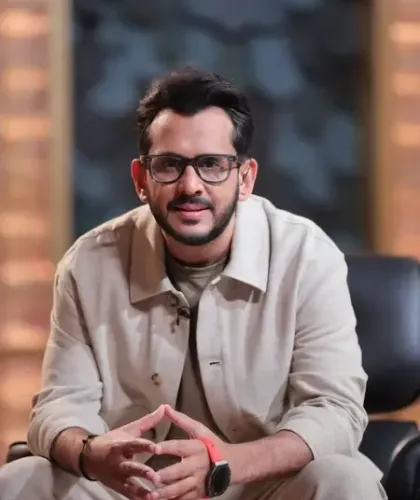
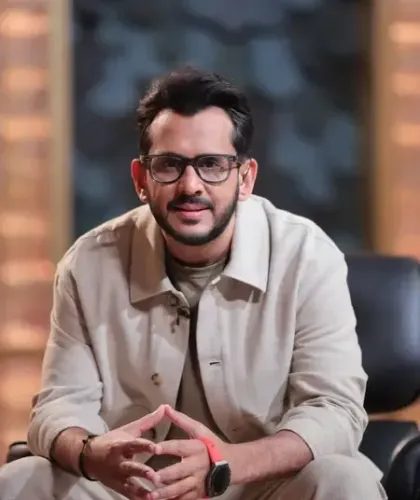
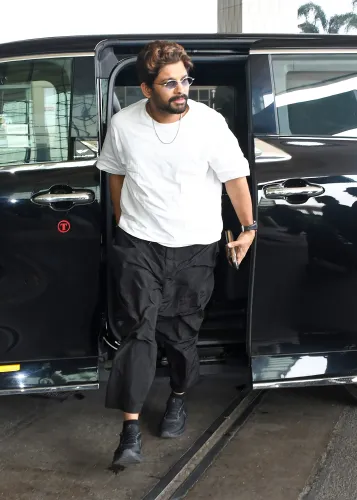
This development comes amid a surge in personality rights disputes before the Delhi High Court. In recent months, a wide range of high-profile individuals — including former cricketers Gautam Gambhir and Sunil Gavaskar, spiritual leader Sri Sri Ravi Shankar, actors Arjun Kapoor, Allu Arjun, Nagarjuna, Varun Dhawan, Kajol, Aishwarya Rai Bachchan, Abhishek Bachchan, and Naga Chaitanya, singer Jubin Nautiyal, filmmaker Karan Johar, podcaster Raj Shamani, and Congress MP Shashi Tharoor — have either secured or sought court protection against unauthorised use of their identity, likeness, or AI-generated imitations.
Notably, Tabu's petition is part of a broader legal reckoning with the unchecked spread of deepfakes and fake endorsements targeting public figures in India's digital ecosystem.
Why This Case Matters
India currently lacks a dedicated statutory framework for personality rights or deepfake regulation, making the courts the primary battleground. Each petition that comes before the Delhi High Court adds to an emerging body of case law that could eventually shape legislative action. The outcome of cases like Tabu's may set precedents on the scope of publicity rights, the liability of platforms hosting AI-generated impersonations, and the remedies available to affected individuals.
The matter is next scheduled to be heard on 6 August, when a corrected memo of parties is expected to be filed.
Point of View
Which means every aggrieved public figure must litigate from scratch. The court is effectively being asked to legislate through injunctions. That is an unsustainable substitute for Parliament acting — and the longer it waits, the more this patchwork of case law will define rights that should have been codified years ago.
NationPress
4 Aug 2026
Frequently Asked Questions
Why has Tabu approached the Delhi High Court?
Tabu has petitioned the Delhi High Court to protect her personality and publicity rights against the alleged unauthorised use of her name, image, and likeness — including through AI-generated content and digital impersonation. The petition seeks to prevent commercial exploitation of her identity without consent.
What happened at the 4 August hearing?
Justice Jyoti Singh noted discrepancies in the pleadings filed on Tabu's behalf and directed her legal team to file a corrected memo of parties. The court deferred further proceedings and scheduled the next hearing for 6 August.
What are personality rights and why do they matter?
Personality rights, also called publicity rights, give individuals — particularly public figures — legal control over the commercial use of their name, image, voice, and likeness. In India, these rights are not codified in statute and are enforced through court petitions, making judicial rulings the primary source of protection.
Which other celebrities have filed similar cases at the Delhi High Court?
In recent months, Gautam Gambhir, Sunil Gavaskar, Sri Sri Ravi Shankar, Arjun Kapoor, Allu Arjun, Nagarjuna, Varun Dhawan, Kajol, Aishwarya Rai Bachchan, Abhishek Bachchan, Naga Chaitanya, Jubin Nautiyal, Karan Johar, Raj Shamani, and Shashi Tharoor have all sought or secured similar protection from the same court.
What is the next step in Tabu's case?
The Delhi High Court has listed the matter for 6 August, by which date Tabu's legal team is expected to file a corrected memo of parties with accurate details of all defendants, after which substantive arguments on the petition are likely to proceed.