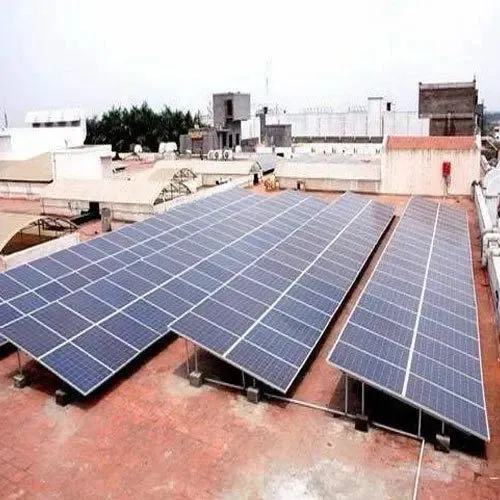
Tamil Nadu renewable energy portal launches October 1 for solar, wind projects
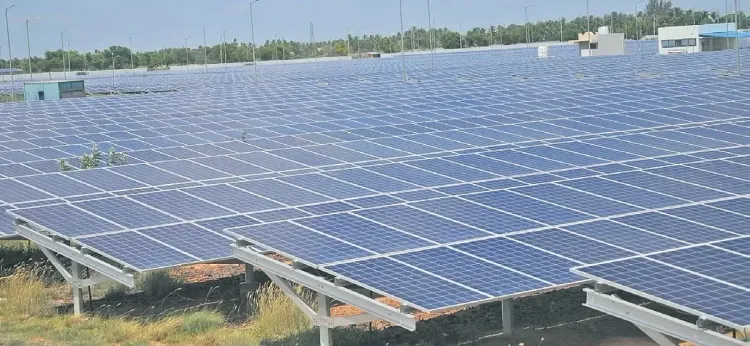
Synopsis
Tamil Nadu is launching a formal online portal on 1 October to process applications for solar, wind and hybrid power projects — a step toward its 1,500 MW solar target this fiscal year. But unresolved procedural contradictions, including mandatory documents that renewable projects are legally exempt from, could hamper its rollout from day one.
Key Takeaways
TNGECL will launch an online renewable energy application portal on 1 October 2026 for solar, wind and hybrid projects.
The application process has ten stages , covering grid connectivity, feasibility assessment, land documentation, and clearances.
TNGECL targets adding at least 1,500 MW of solar capacity with battery storage by the end of the current financial year.
The Renewable Energy Producers Association flagged mandatory document requirements — including EIA clearance — that renewable projects are legally exempt from.
A requirement for a Central Electricity Authority Unique ID before commissioning is disputed, as the ID can only be obtained after commissioning.
TNGECL has sought industry feedback but has not confirmed whether disputed requirements will be revised before the portal opens.
The Tamil Nadu Green Energy Corporation Limited (TNGECL) is set to launch an online application portal on 1 October 2026 for new solar, wind, and hybrid power projects, as the state pushes to expand renewable generation capacity amid persistent power outages. The portal, announced following a stakeholder consultation on Monday, will streamline a ten-stage application process covering grid connectivity requests and project approvals.
How the Application Process Works
Under the proposed framework, applicants must first submit basic project details and pay an application fee along with a security deposit. The Superintending Engineer (Solar) is then expected to validate each proposal within 10 days, after which developers will have up to 30 days to respond to any requests for clarification.
Once a proposal clears the validation stage, a feasibility report will be prepared. Successful applicants will have six months to furnish land documents, and construction can commence only after mandatory clearances and grid connectivity procedures are completed, according to officials.
TNGECL's Capacity Targets
The corporation has set an ambitious target of adding at least 1,500 MW of solar capacity, paired with battery energy storage systems (BESS), by the end of the current financial year. The storage systems are intended to absorb fluctuations in solar generation and improve supply reliability during peak demand periods — a critical need given the state's ongoing outage challenges.
Industry Feedback and Unresolved Concerns
K. Venkatachalam of the Renewable Energy Producers Association acknowledged that the portal would formalise project submissions but raised several procedural concerns. He noted that the proposed process lists environmental impact assessment (EIA) clearance from the Union environment ministry and consent orders from the Tamil Nadu Pollution Control Board as mandatory documents — requirements from which renewable energy projects are currently exempt under existing rules.
Venkatachalam also flagged a requirement for a Unique ID from the Central Electricity Authority (CEA) before commissioning. Such an ID, he pointed out, can only be obtained after a project is commissioned — making it logistically impossible to provide at the application stage. He also sought clarity on whether TNGECL would adopt the formats already prescribed by the Tamil Nadu Electricity Regulatory Commission (TNERC) for intra-state transmission connectivity, or introduce entirely new forms.
TNGECL's Response and What Comes Next
TNGECL has invited industry feedback on the proposed process but has not publicly indicated whether it will revise the disputed requirements before the portal goes live on 1 October. The unresolved ambiguities around documentation formats and exemptions could create friction for developers attempting to use the platform from day one.
How quickly TNGECL addresses these procedural gaps will likely determine whether the portal accelerates Tamil Nadu's renewable push or becomes another procedural bottleneck in the state's energy transition.
Point of View
But the procedural ambiguities flagged by industry are not trivial. Requiring documents that renewable energy projects are legally exempt from — or demanding a CEA Unique ID that can only exist post-commissioning — suggests the application framework was drafted without adequate cross-referencing of existing regulatory exemptions. Tamil Nadu has been aggressive in setting renewable targets, but past capacity additions have been slowed by exactly this kind of procedural friction. If TNGECL does not issue revised guidelines before 1 October, developers will face a portal that is technically open but functionally obstructed — undermining the very formalisation the state is trying to achieve.
NationPress
29 Sept 2026
Frequently Asked Questions
What is the TNGECL renewable energy portal launching on 1 October?
It is an online platform being launched by the Tamil Nadu Green Energy Corporation Limited (TNGECL) on 1 October 2026 to accept applications for new solar, wind, and hybrid power projects. The portal streamlines a ten-stage process that covers grid connectivity requests, feasibility reports, land documentation, and construction clearances.
What is Tamil Nadu's renewable energy capacity target for this financial year?
TNGECL aims to add at least 1,500 MW of solar capacity along with battery energy storage systems by the end of the current financial year. The storage systems are intended to stabilise supply during demand peaks and reduce the impact of solar generation variability.
What concerns has the industry raised about the portal process?
The Renewable Energy Producers Association, through K. Venkatachalam, flagged that the process lists environmental impact assessment clearance and Tamil Nadu Pollution Control Board consent orders as mandatory, even though renewable energy projects are exempt from these requirements. He also noted that a Central Electricity Authority Unique ID — listed as required before commissioning — can only be obtained after a project is commissioned.
Will TNGECL use existing TNERC formats or introduce new application forms?
That remains unclear. The Tamil Nadu Electricity Regulatory Commission has already prescribed application formats for intra-state transmission connectivity. TNGECL has not yet confirmed whether it will adopt those existing formats or introduce new ones, which the industry has flagged as a source of uncertainty.
What happens after a project application is submitted through the portal?
The Superintending Engineer (Solar) validates the proposal within 10 days. Developers then have 30 days to address clarifications. Once accepted, a feasibility report is prepared, and applicants have six months to submit land documents. Construction can begin after all clearances and grid connectivity procedures are completed.