Mann Ki Baat: Erode jaggery in Europe, chocolate exports soar
Synopsis
Karupatti from Erode has reached Europe for the first time, and India's chocolate exports grew nearly 25% last year. In the 140th Mann Ki Baat, PM Modi used sweets, from palmyra jaggery to Surat's Schmitten and Kutch's camel milk chocolate, to argue that tradition plus innovation can sell globally.
Key Takeaways
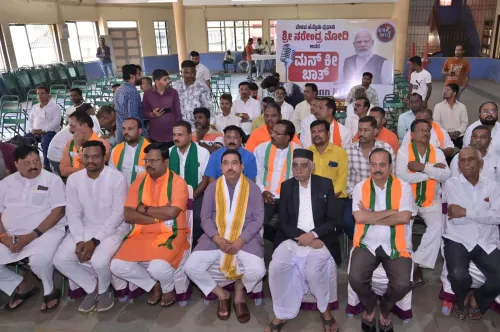
PM Narendra Modi spoke in the 140th episode of 'Mann Ki Baat' on 29 November 2026 .
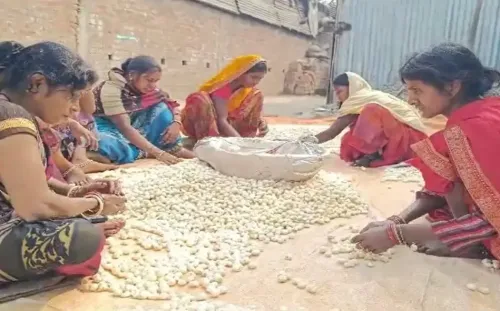
He said organic palmyra jaggery, or karupatti , from Erode, Tamil Nadu has reached Europe for the first time.
According to Modi, exports of chocolate and cocoa-based products grew by nearly 25 per cent last year.
He named Surat-based Schmitten as a “Made in India” fine chocolate brand gaining ground globally.
Amul makes chocolate from camel milk in Kutch .
Daily collection at Sarhad Dairy has risen from 1,300 to 5,500 litres , more than four times the 2017-18 level.
Prime Minister Narendra Modi on Sunday, 29 November 2026, used the 140th episode of his monthly radio address 'Mann Ki Baat' to say that India's traditional sweets are finding buyers abroad. He cited organic palmyra jaggery from Erode in Tamil Nadu, which he said has reached Europe for the first time. He also said exports of Indian chocolate and cocoa-based products grew by nearly 25 per cent last year.
Palmyra jaggery is known locally in Tamil Nadu as karupatti. Modi presented it as an example of a centuries-old food tradition that is now reaching international markets.
Key Highlights from the Broadcast
Modi opened the segment with a seasonal note. Winter, he said, is hard to speak of without jaggery, or gur. He described it as a staple in Indian homes for centuries, valued for both its taste and its health benefits.
He said the organic palmyra jaggery from Erode that has gone to Europe pairs a traditional taste with high quality. According to the Prime Minister, a centuries-old tradition of sweetness is changing through innovation, and that sweetness is now enriching the lives of farmers and young entrepreneurs.
Indian Chocolate Builds a Global Identity
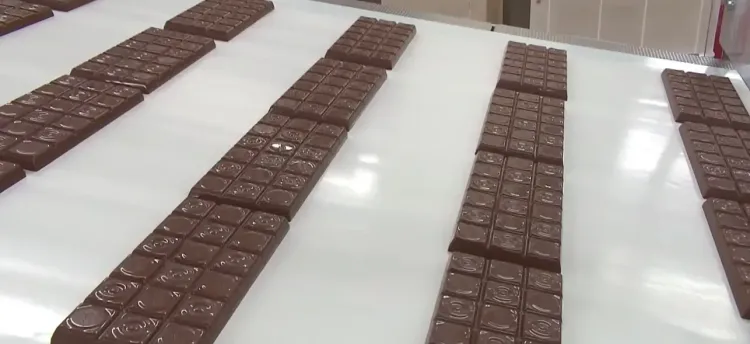
Modi said Indian chocolate is carving out a distinct identity on the global stage. He named Schmitten, a brand from Surat, as one that is making a place in the global market as a “Made in India” fine chocolate.
He also pointed to the emergence of stylish chocolate boutiques that offer luxury with an Indian touch. Exports of chocolate and cocoa-based products, he said, grew by nearly 25 per cent last year.
According to the Prime Minister, entrepreneurs in various parts of the country are coming forward with fresh ideas. He said many startups are innovating and several are creating new flavours from local ingredients. This, he said, is opening opportunities for farmers, women and young entrepreneurs.
Camel Milk Chocolate from Kutch
Modi highlighted a link between chocolate and Kutch in Gujarat: chocolate made from camel milk. He said Amul uses milk supplied by local camel herders to produce chocolate, saffron-flavoured milk and Rajbhog ice cream.
Daily collection of camel milk at Sarhad Dairy has risen from 1,300 litres to 5,500 litres, which he described as more than four times the level of 2017-18. The milk is now packed for a longer shelf life and is also processed into powder, so buyers far from Kutch can buy it.
Citing experts, Modi said camel milk has several health benefits and is considered particularly useful for people affected by blood sugar. He added that it can suit people who are lactose intolerant and is low in fat and cholesterol.
From 'Sweet Revolution' to New Markets
Notably, this is not the first time 'Mann Ki Baat' has focused on sweet produce. Earlier episodes covered honey and the “Sweet Revolution”. Modi said jaggery is now reaching new markets as well.
The segment fits a familiar pattern in the broadcast, which regularly highlights regional products, grassroots entrepreneurs and local value addition. Recent episodes have used these stories to promote 'Vocal for Local' messaging and to connect farm produce with branded, exportable goods.
Why It Matters
For producers of jaggery in regions such as Erode, a first shipment to Europe could signal access to premium markets that pay more for organic and traditional products. For camel herders in Kutch, the reported rise in daily collection at Sarhad Dairy points to a dairy value chain that turns a niche resource into packaged and shelf-stable products.
Whether these early gains grow into sustained export volumes will depend on certification, branding and supply consistency, which stakeholders will be watching in the coming months.
Point of View
And what it has long lacked is branding, certification and export pipelines that capture value at the farm gate. A first jaggery shipment to Europe and a nearly 25% jump in chocolate exports are encouraging signals, but they start from small bases, and one-off success stories often stall at scale. The real measure will be whether farmers and camel herders, not only brands and boutiques, see a durable share of the premium.
NationPress
29 Nov 2026
Frequently Asked Questions
What did PM Modi say about jaggery in Mann Ki Baat?
PM Modi said organic palmyra jaggery from Erode, Tamil Nadu, has reached Europe for the first time. He described it as pairing a traditional taste with high quality. He spoke in the 140th episode on 29 November 2026.
How much did India's chocolate exports grow?
According to PM Modi, exports of chocolate and cocoa-based products grew by nearly 25 per cent last year. He credited startups and entrepreneurs who are creating new flavours from local ingredients.
Which Indian chocolate brand did PM Modi mention?
PM Modi named Schmitten, a brand from Surat, as a “Made in India” fine chocolate that is making a place in the global market. He also mentioned Amul's camel milk chocolate from Kutch.
How has camel milk collection grown at Sarhad Dairy?
Daily camel milk collection at Sarhad Dairy has risen from 1,300 litres to 5,500 litres, which PM Modi described as more than four times the 2017-18 level. The milk is now packed for a longer shelf life and also processed into powder.