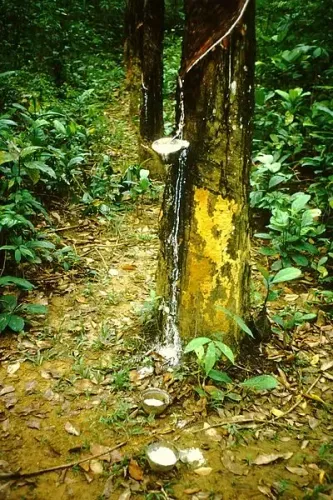
Rubber prices rise in Kanyakumari as heat cuts latex output 30%
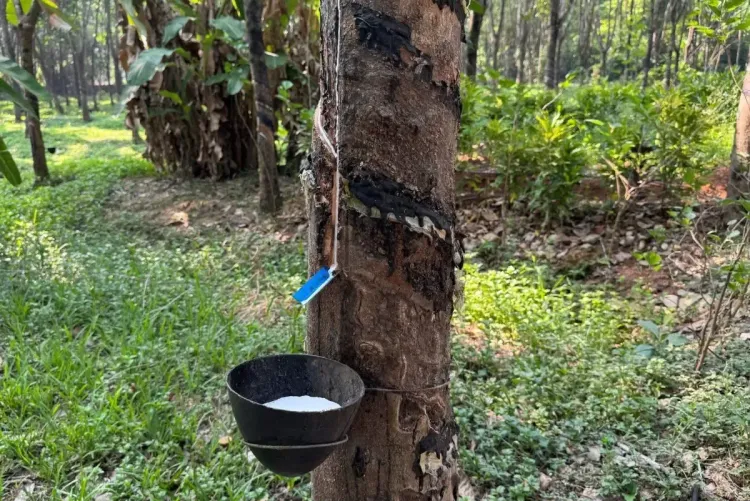
Synopsis
Rubber prices in Kanyakumari are up — but a 30% heat-driven collapse in latex yields means farmers can't fully cash in. With RSS-4 at ₹271/kg and industrial demand firm, the rally has legs, yet the real windfall depends on whether the rains return in time.
Key Takeaways
Rubber prices in Kanyakumari, Tamil Nadu have risen sharply as of 30 September , driven by supply shortages and industrial demand.
Hot September weather cut latex production by up to 30 per cent over two weeks, limiting farmer earnings despite higher prices.
RSS-4 rubber traded at ₹271 per kg and RSS-5 at ₹266 per kg at the Kottayam market; Rubber Board rates were higher at ₹279 and ₹274 respectively.
A trader in Kulasekharam linked the rally to elevated synthetic rubber costs following crude oil supply disruptions and growing automobile industry demand.
Occasional showers in hilly areas have provided partial yield recovery, but a sustained rainfall return is needed for a full rebound.
Rubber prices in Tamil Nadu's Kanyakumari district have climbed sharply, bringing welcome relief to growers even as an unusually hot September slashed latex production by as much as 30 per cent over a two-week period, limiting how much farmers can actually gain from the market upswing. The price rally, reported on 30 September, is being driven by supply shortages across Kanyakumari and neighbouring Kerala, compounded by sustained industrial demand.
Market Prices and Rubber Board Rates
At the Kottayam market on Tuesday, dealer prices for RSS-4 grade rubber stood at ₹271 per kg, while RSS-5 fetched ₹266 per kg. ISS-grade rubber was quoted at ₹256 per kg. The Rubber Board's published rates were higher — ₹279 per kg for RSS-4 and ₹274 per kg for RSS-5 — while 80 per cent processed latex was reported at ₹191 per kg.
Heat Wave Impact on Latex Output
Growers in Kanyakumari reported that the prolonged heat had caused latex yields to drop by up to 30 per cent in the fortnight preceding the report. This production shortfall has constrained the volume available for sale, meaning farmers cannot fully capitalise on the favourable price environment. Occasional moderate showers in the district's hilly areas have provided some relief, helping yields recover slightly, though the improvement followed a sustained period of reduced output.
What Is Driving the Price Rally
A rubber trader based in Kulasekharam attributed the broader price trend to multiple factors. He pointed to disruptions in crude oil supplies to India during the conflict between the United States and Iran, which pushed up synthetic rubber costs — since synthetic rubber is derived from petroleum, higher feedstock prices have also supported natural rubber valuations. Although crude oil imports subsequently stabilised, rubber prices have continued to climb, the trader noted.
He added that growth in the automobile industry has increased rubber demand, while domestic natural rubber production remains insufficient to meet requirements. That persistent supply-demand imbalance continues to underpin higher prices. Prices could soften, he said, if the gap between domestic production and consumption narrows.
Outlook for Kanyakumari Farmers
For growers across Kanyakumari, the price rise is a positive development, but their net earnings depend on both the price received and the volume harvested. The recent production decline makes the situation a double-edged one — strong prices, but fewer kilograms to sell. Farmers and traders alike are now watching whether adequate rainfall will deliver a sustained recovery in latex output following the spell of unusually hot weather. If yields rebound alongside current price levels, the district's rubber growers could see a meaningful income boost in the weeks ahead.
Point of View
So the farmers who need the windfall most are the ones least able to benefit from it. The crude oil-to-synthetic rubber-to-natural rubber price transmission chain is real but underreported — it means Indian rubber growers are indirectly exposed to geopolitical disruptions in the Middle East. With domestic production structurally lagging automobile-sector demand, the price floor looks durable, but the ceiling on farmer incomes will remain capped by yield volatility until irrigation and weather-resilient cultivation practices improve in the district.
NationPress
30 Sept 2026
Frequently Asked Questions
Why are rubber prices rising in Kanyakumari?
Rubber prices in Kanyakumari have risen due to supply shortages in the district and neighbouring Kerala, sustained demand from the automobile industry, and elevated synthetic rubber costs linked to earlier crude oil supply disruptions. The gap between domestic natural rubber production and consumption continues to support higher prices.
How much has latex production fallen in Kanyakumari?
Latex production in Kanyakumari fell by as much as 30 per cent over the two weeks preceding 30 September, according to growers, due to prolonged hot September weather. Occasional showers in hilly areas have helped yields recover slightly.
What are the current rubber prices at the Kottayam market?
At the Kottayam market on Tuesday, RSS-4 rubber was priced at ₹271 per kg and RSS-5 at ₹266 per kg, while ISS-grade rubber was quoted at ₹256 per kg. The Rubber Board's published rates were higher, at ₹279 and ₹274 per kg for RSS-4 and RSS-5 respectively.
How does the crude oil situation affect natural rubber prices in India?
Synthetic rubber is manufactured from petroleum, so disruptions to crude oil supplies push up synthetic rubber costs. A trader in Kulasekharam noted that supply disruptions linked to the US-Iran conflict raised synthetic rubber prices, which in turn helped lift natural rubber valuations — a linkage that persisted even after crude imports stabilised.
Will rubber prices in Kanyakumari come down?
According to a local rubber trader, prices could soften if the gap between domestic natural rubber production and consumption narrows. For now, strong automobile-sector demand and insufficient domestic supply are keeping the market firm, though a recovery in latex yields following adequate rainfall could gradually ease supply pressures.