Tamil Nadu draft electoral roll out today; objections open till December 11
Synopsis
Tamil Nadu's draft electoral roll is out today, kicking off a public scrutiny window that closes on 11 December. With the next state assembly elections on the horizon, the accuracy of this list carries unusually high stakes — and voters have exactly four weeks to flag errors before the final roll is locked in on 4 January.
Key Takeaways
Tamil Nadu's draft electoral roll under the Special Summary Revision is published on 13 November 2026 .
Chief Electoral Officer Archana Patnaik releases the state-level list; District Collectors publish district-level rolls simultaneously.
Voters can submit claims and objections — including enrolment, deletion, and correction requests — until 11 December .
Decisions on all applications are scheduled by 28 December .
The final electoral roll incorporating accepted changes will be published on 4 January 2026 .
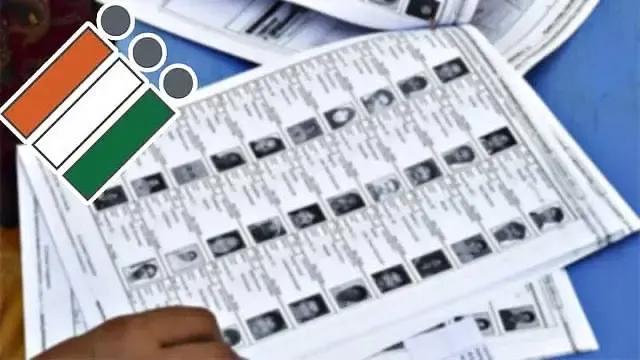
Tamil Nadu's draft electoral roll for the ongoing Special Summary Revision will be published on Thursday, 13 November 2026, opening a public verification window for voters across the state to check their details and raise corrections ahead of the final publication on 4 January 2026. The release marks the transition from preparatory updating to active public scrutiny in the revision cycle.
How the Publication Works
Chief Electoral Officer Archana Patnaik will release the integrated state-level draft electoral roll, while District Collectors across Tamil Nadu will simultaneously publish their respective district-level lists. The dual-level release ensures that voters can access ward- and constituency-specific information without navigating a consolidated statewide document.
The draft reflects roughly two months of fieldwork by electoral authorities, covering inclusion of newly eligible voters, deletion of duplicate or deceased entries, and updating of existing particulars such as addresses and names.
What Voters Can Do — and by When
From the date of publication, registered and eligible voters have until 11 December to submit claims and objections. The window covers four categories of action: applying for fresh enrolment, seeking deletion of an entry, requesting correction of personal particulars, and objecting to any inclusion that appears erroneous.
Eligible residents who have not yet enrolled — particularly first-time voters who turned 18 before the qualifying date — are encouraged to apply during this period. Existing voters whose names, addresses, or other recorded details are inaccurate can also apply for corrections within the same window.
Key Dates in the Revision Timeline
Applications received before the 11 December deadline will be examined by electoral authorities, with decisions on accepted and rejected claims scheduled by 28 December. The final, cleaned electoral roll incorporating all accepted changes will then be published on 4 January 2026.
The claims and objections period is considered the most critical stage of any summary revision exercise. Omissions and errors that go uncontested during this window are carried forward into the final roll and cannot ordinarily be remedied until the next revision cycle.
Background: Why This Revision Matters
Special Summary Revisions are conducted periodically by the Election Commission of India (ECI) in coordination with state Chief Electoral Officers to keep voter lists current between general election cycles. Tamil Nadu last held state assembly elections in 2021, with the next scheduled for 2026 — making accuracy of the current roll particularly consequential for upcoming electoral processes.
With the draft now available at both state and district levels, electoral authorities expect a high volume of verification requests over the coming weeks. Voters are advised to check the roll promptly to allow sufficient time to file any corrections before the December 11 deadline.
Point of View
Electoral roll accuracy is not a clerical matter — it is a democratic one. Tamil Nadu heads into an assembly election cycle in 2026, and voters whose names are missing or incorrectly recorded risk disenfranchisement. The four-week objection window is adequate, but awareness campaigns will determine how effectively it is used. Historically, urban wards with high tenant-population churn see the highest error rates yet the lowest correction-filing rates — a gap that civil society and political parties are best placed to close, not just the Election Commission.
NationPress
12 Nov 2026
Frequently Asked Questions
What is the Tamil Nadu Special Summary Revision of the electoral roll?
The Special Summary Revision is a periodic exercise conducted by the Election Commission of India through the state Chief Electoral Officer to update the voter list by adding newly eligible voters, removing invalid entries, and correcting existing records. The 2025-26 revision culminates in a final roll published on 4 January 2026.
How can I check if my name is on the Tamil Nadu draft electoral roll?
Voters can check the draft electoral roll published at their respective District Collector's office or through the official Election Commission portal. Both the state-level integrated list and district-level lists have been released simultaneously on 13 November 2026.
What is the deadline to submit claims or objections in Tamil Nadu?
The deadline to submit applications for inclusion, deletion, or correction — as well as objections to any entry — is 11 December 2026. Applications received after this date will not be considered in the current revision cycle.
When will the final Tamil Nadu electoral roll be published?
The final electoral roll, incorporating all changes accepted after scrutiny of claims and objections, will be published on 4 January 2026. Decisions on individual applications are scheduled to be completed by 28 December 2026.
Who oversees the electoral roll revision in Tamil Nadu?
Chief Electoral Officer Archana Patnaik oversees the statewide process, while District Collectors manage and publish rolls at the district level. Together, they form the administrative chain responsible for the accuracy of the final voter list.