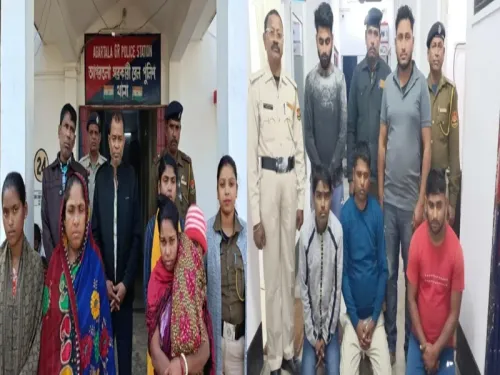
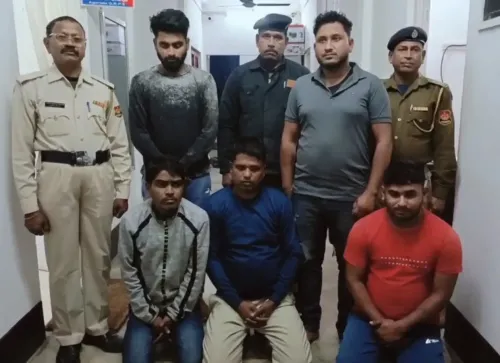
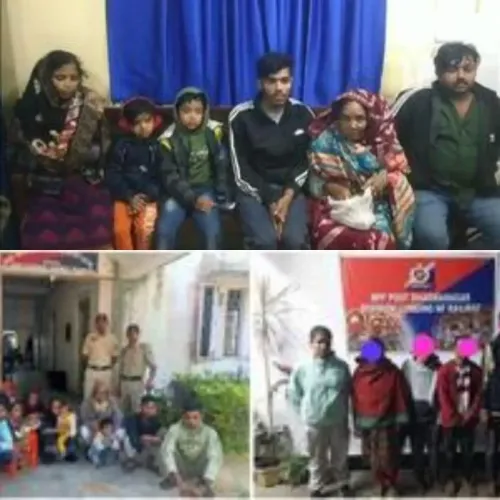
Tripura arrests 3,705 illegal immigrants since 2022, 3,463 Bangladeshis among them
Synopsis
Tripura has arrested over 3,705 foreign nationals since 2022 — including 3,463 Bangladeshis and 227 Rohingya — as the state battles infiltration along its 856-km Bangladesh border. With the High Court now demanding a compliance report and a tribal MLA alleging 1.48 lakh illegal voters, the political and legal heat on the Manik Saha government is rising sharply.
Key Takeaways
3,705 foreign nationals arrested in Tripura for illegal entry since 2022 , including 3,463 Bangladeshis and 227 Rohingya .
Year-wise Bangladeshi arrests: 965 (2022), 1,014 (2023), 947 (2024), 537 (2025 so far).
220 foreign nationals remain in Tripura jails; most others have been deported.
Tripura High Court has ordered the state to submit an infiltration-action report within three months .
Tipra Motha Party MLA Ranjit Debbarma alleged 1.48 lakh illegal voters in Tripura and fake-document procurement by immigrants.
BSF has significantly intensified border vigilance since the fall of the Sheikh Hasina government on 5 August 2024 .
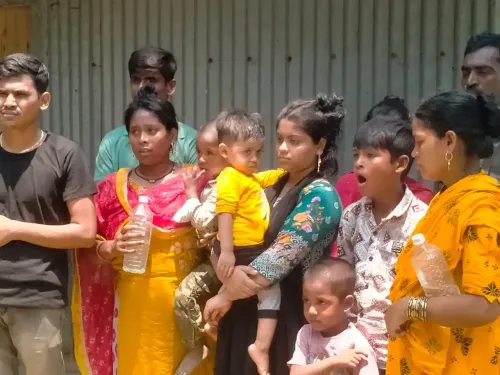
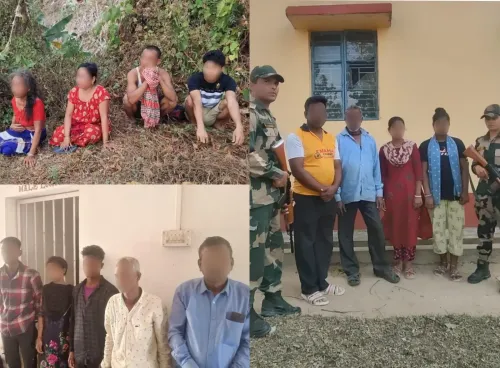
More than 3,705 foreign nationals, including 3,463 Bangladeshi citizens, have been arrested in Tripura since 2022 for illegally crossing into India, state Home Department officials said on Sunday, 31 May 2025. The figures, disclosed by a senior official who declined to be named, mark one of the most comprehensive public accountings of cross-border infiltration in the northeastern state in recent years.
Year-by-Year Arrest Data
According to the official, 965 Bangladeshi nationals were detained in 2022, followed by 1,014 in 2023, 947 in 2024, and 537 in 2025 so far. Of the total 3,706 foreign nationals apprehended, 227 are Rohingya, while others reportedly belong to countries including Nigeria, Cameroon, Guinea, France, and Pakistan. The majority have already been deported following completion of diplomatic and standard legal procedures. As of now, 220 arrested foreign nationals remain lodged in various jails across the state.
STFs, Fencing, and Border Vigilance
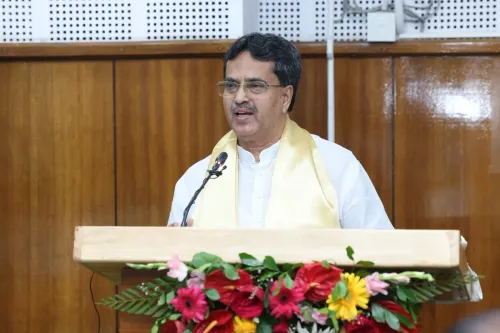
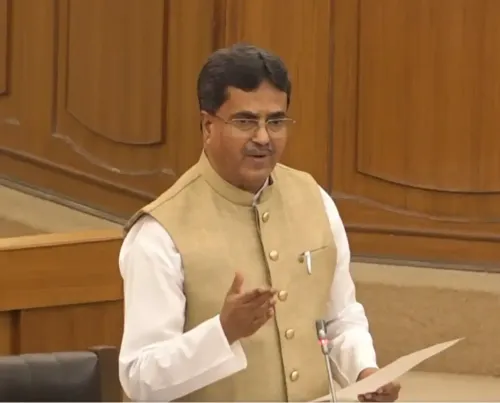
Chief Minister Manik Saha, who also holds the Home portfolio, told the Tripura Legislative Assembly during the recent budget session that the government is working with 'utmost seriousness' to prevent infiltration. Following the regime change in Dhaka, the state constituted Special Task Forces (STFs) in all eight districts in line with directives from the Ministry of Home Affairs (MHA).
'The STFs are not only working against infiltration but are also maintaining strict vigilance over potential terrorist activities, drug smuggling, fundamentalist groups, and international crime,' Saha said. He acknowledged that barbed wire fencing along certain stretches of the 856-km international border with Bangladesh remains incomplete. Except for approximately 21 km of unfenced stretches, most of the boundary has been secured to prevent smuggling, trans-border crimes, and illegal crossings.
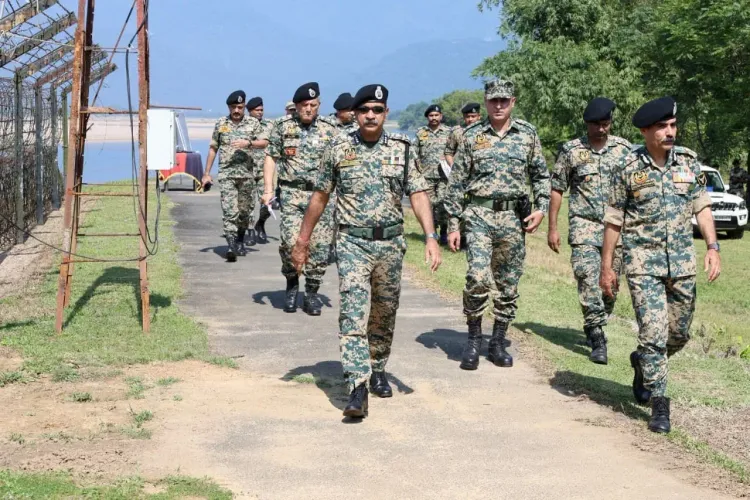
A senior Border Security Force (BSF) official noted that border vigilance has been significantly intensified since internal violence erupted in Bangladesh during June–July 2024, particularly after the fall of the Sheikh Hasina-led Awami League government on 5 August 2024. Tripura, surrounded on three sides by Bangladesh, remains among India's most exposed states to cross-border migration and trans-border crime.
High Court Directive and Political Pressure
The Tripura High Court has recently directed the state government to submit a detailed report within three months outlining steps taken to prevent infiltration. A division bench headed by Chief Justice M.S. Ramachandra Rao issued the order while hearing a petition filed by three individuals, including Tipra Motha Party (TMP) MLA Ranjit Debbarma.
The petitioners alleged that despite MHA guidelines, the state has yet to implement sufficiently effective anti-infiltration measures. Debbarma, a senior tribal leader, responded to the court's directive by stating that infiltration must be 'stopped immediately' to safeguard internal security and protect the interests of Tripura's indigenous population. He further argued that other states are actively conducting anti-infiltration operations in line with MHA norms, while Tripura has lagged behind.
Fake Documents and the 1.48 Lakh Voter Claim
In a letter dated 30 May to Union Home Minister Amit Shah, Debbarma alleged that many illegal immigrants had obtained Indian identity documents — including Aadhaar cards, voter identity cards, ration cards, Permanent Resident Certificates (PRCs), and health cards — with the alleged assistance of 'dishonest officials'. He noted that the close cultural and physical similarities between Bangladeshi nationals and a large section of Tripura's permanent residents make identification particularly difficult.
'The facial features, physical appearance, language, food habits and other cultural traits of Bangladeshi nationals are often similar to those of a large section of Tripura's permanent residents, making it extremely difficult to identify illegal immigrants,' Debbarma wrote. Citing media reports, he also claimed that approximately 1.48 lakh illegal voters are residing in Tripura, though this figure has not been independently verified. He alleged that despite multiple letters to the Tripura Governor, the Chief Minister, and other senior officials, no effective action had been taken so far.
What Comes Next
The state government is expected to file its compliance report with the High Court within the stipulated three-month window. With STFs operational across all eight districts and BSF intensifying border domination, authorities face mounting pressure — from the judiciary, tribal political groups, and the Centre — to demonstrate measurable outcomes on infiltration control.
Point of View
But the more revealing detail is what they do not resolve: 220 people remain in Tripura jails with no clear deportation timeline, and a sitting MLA is alleging that illegal immigrants hold Aadhaar cards and voter IDs. If that claim withstands scrutiny, it points to a systemic document-issuance failure that arrests alone cannot fix. The High Court's three-month deadline is a pressure valve, but Tripura's vulnerability is structural — an 856-km border, significant cultural overlap with Bangladesh, and an incomplete fencing project that has been 'in progress' for years. The post-Hasina instability in Dhaka has added urgency, yet the state's response still appears reactive rather than preventive. The real accountability question is whether the STFs, now active in all eight districts, will produce verifiable deportation and prosecution outcomes — or simply more arrest statistics.
NationPress
19 Sept 2026
Frequently Asked Questions
How many foreign nationals have been arrested in Tripura for illegal infiltration since 2022?
More than 3,705 foreign nationals have been arrested in Tripura since 2022 for illegally entering India, according to state Home Department officials. Of these, 3,463 are Bangladeshi nationals and 227 are Rohingya, with others from countries including Nigeria, Cameroon, Guinea, France, and Pakistan.
What action has the Tripura High Court taken on the infiltration issue?
The Tripura High Court has directed the state government to submit a detailed report within three months on steps taken to prevent infiltration. The order was issued by a division bench headed by Chief Justice M.S. Ramachandra Rao while hearing a petition that includes Tipra Motha Party MLA Ranjit Debbarma as a petitioner.
What are Special Task Forces (STFs) doing in Tripura?
Special Task Forces have been constituted in all eight districts of Tripura following directives from the Ministry of Home Affairs, particularly after the regime change in Bangladesh. According to Chief Minister Manik Saha, the STFs are tasked with combating infiltration as well as monitoring terrorist activity, drug smuggling, fundamentalist groups, and international crime.
What is the status of border fencing along Tripura's boundary with Bangladesh?
Tripura shares an 856-km border with Bangladesh. Except for approximately 21 km of unfenced stretches, most of the boundary has been fenced to prevent smuggling and illegal crossings. The state government has acknowledged that fencing in certain areas remains incomplete due to various challenges.
What has Tipra Motha MLA Ranjit Debbarma alleged about illegal immigrants in Tripura?
Ranjit Debbarma has alleged in a letter to Union Home Minister Amit Shah that many illegal immigrants have obtained Indian identity documents — including Aadhaar cards, voter IDs, ration cards, and Permanent Resident Certificates — allegedly with the help of dishonest officials. He also cited media reports claiming approximately 1.48 lakh illegal voters reside in Tripura, though this figure has not been independently verified.