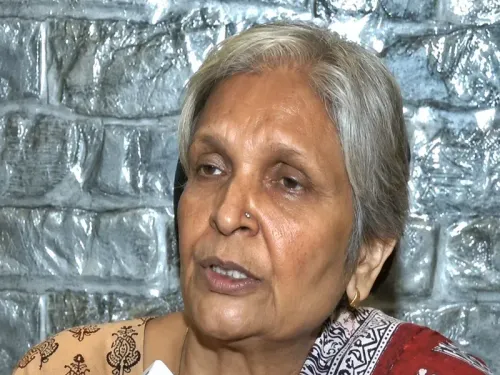
Twisha Sharma suicide case: Ex-judge Giribala denies cruelty; HC reserves bail order
Synopsis
A former District Consumer Disputes Redressal Commission president and judicial officer is fighting bail after her daughter-in-law was found hanging in their Bhopal home five months into the marriage. Her defence claims anger over an abortion does not amount to abetment of suicide — but the Madhya Pradesh High Court has reserved its order, keeping the legal pressure alive.
Key Takeaways
Giribala Singh , former president of the District Consumer Disputes Redressal Commission in Madhya Pradesh, denied cruelty and abetment to suicide before the MP High Court on 26 October 2026 .
The court, before Justice Ajay Kumar Nirankari , reserved its order on Singh's bail plea.
Defence argued Singh's anger over daughter-in-law Twisha Sharma 's abortion did not constitute harassment or instigation.
Twisha Sharma was found hanging at her matrimonial home in Bhopal on 12 May , barely five months after her marriage to Samarth Singh .
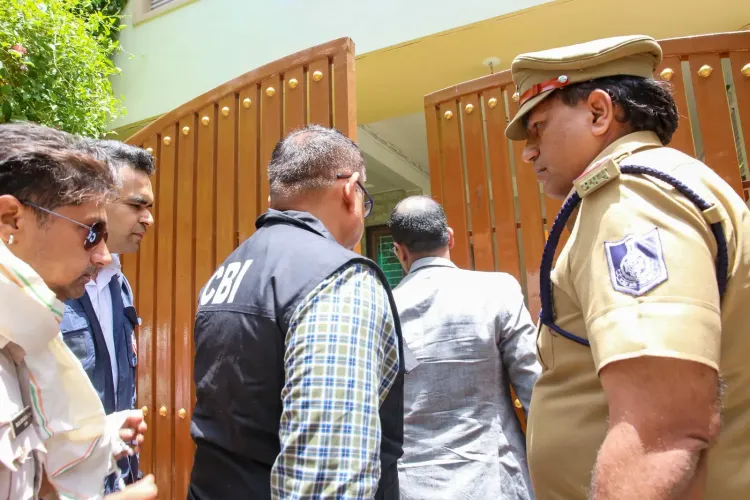
An FIR was registered under the Bharatiya Nyaya Sanhita and the Dowry Prohibition Act at Katara Hills police station.
The High Court had earlier cancelled Singh's anticipatory bail after challenges from the state government and Sharma's family.
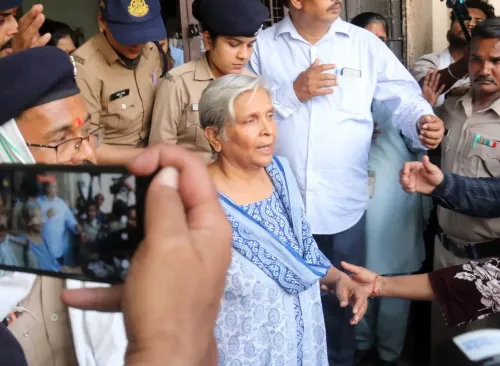
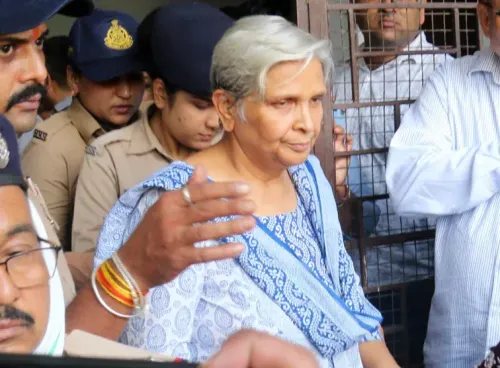
Former judicial officer Giribala Singh on Monday, 26 October 2026, denied charges of cruelty and abetment to suicide before the Madhya Pradesh High Court in the death of her daughter-in-law Twisha Sharma, arguing that her displeasure over Sharma's decision to terminate her pregnancy did not constitute harassment. The court, presided over by Justice Ajay Kumar Nirankari, reserved its order on Singh's bail plea after hearing arguments from both sides.
What the Defence Argued
Singh's senior counsel contended that his client had been unhappy with Sharma's choice to undergo an abortion, since both Singh and her son — Bhopal-based lawyer Samarth Singh — had wanted the child. However, the counsel submitted that Singh had neither coerced Sharma into terminating the pregnancy nor subjected her to any form of cruelty.
Addressing alleged chat messages in which Singh reportedly called Sharma a 'murderer' over the abortion, the defence argued the words were spoken 'in the heat of the moment' and that Singh had subsequently apologised. The counsel maintained these statements did not establish instigation to suicide. Significantly, the defence also pointed out that the chats cited by investigators indicated the alleged conduct of Samarth Singh rather than his mother.
The defence further argued that Sharma was not confined to her matrimonial home and had, in fact, been planning to relocate to Delhi, where she had applied for employment. Counsel concluded by urging bail in view of the nature of the alleged offences and applicable legal provisions.
Prosecution's Objections
Senior advocate Siddharth Aggarwal, appearing for the prosecution, opposed the bail plea, arguing that Singh could potentially influence witnesses and tamper with evidence while the investigation remained pending. The state government and Sharma's family had previously challenged a sessions court's grant of anticipatory bail to Singh, prompting the High Court to cancel that relief — setting the stage for Monday's fresh hearing.
Background: The Case
The case traces back to 12 May, when Sharma — a resident of Noida who had married Samarth Singh after the two connected through a dating application — was found hanging at her matrimonial home in Bhopal, barely five months into the marriage. Her family alleged that she had been subjected to domestic violence and harassment over dowry demands by her husband and in-laws.
An FIR was registered at Katara Hills police station under relevant provisions of the Bharatiya Nyaya Sanhita and the Dowry Prohibition Act. Giribala Singh, who previously served as president of the District Consumer Disputes Redressal Commission in Madhya Pradesh, was first granted anticipatory bail by a sessions court before the High Court intervened to cancel it.
What Happens Next
With the Madhya Pradesh High Court having reserved its order, a ruling on Singh's bail application is now awaited. The outcome will be closely watched given Singh's background as a former judicial officer and the broader questions the case raises about accountability within judicial families, dowry-related violence, and the legal threshold for abetment to suicide.
Point of View
Not abetment — tests where Indian courts draw the line between domestic discord and criminal instigation. The threshold for abetment to suicide under the Bharatiya Nyaya Sanhita requires proof of active instigation, not merely a hostile environment, and that distinction will likely define the court's reasoning. What the case also surfaces is a harder structural question: how courts weigh allegations against former officers of the judiciary, who carry both institutional credibility and a heightened obligation to uphold the law. The High Court's decision to cancel anticipatory bail earlier signals it is not treating this as routine — its reserved order on the fresh plea will be a significant indicator of where the evidentiary bar sits.
NationPress
26 Oct 2026
Frequently Asked Questions
Who is Giribala Singh and what is she accused of?
Giribala Singh is a former judicial officer who served as president of the District Consumer Disputes Redressal Commission in Madhya Pradesh. She is accused of cruelty and abetment to suicide in connection with the death of her daughter-in-law Twisha Sharma, who was found hanging at the family's Bhopal home in May 2026.
What happened to Twisha Sharma?
Twisha Sharma, a Noida resident, was found hanging at her matrimonial home in Bhopal on 12 May, barely five months after marrying Bhopal-based lawyer Samarth Singh. Her family alleged she was subjected to domestic violence and harassment over dowry demands by her husband and in-laws.
What was Giribala Singh's defence before the Madhya Pradesh High Court?
Singh's counsel argued that her displeasure over Sharma's decision to terminate her pregnancy — and messages calling Sharma a 'murderer' — were expressions of anger spoken in the heat of the moment and did not amount to instigation or abetment of suicide. The counsel added that Singh had subsequently apologised for her remarks.
Why did the High Court cancel Giribala Singh's earlier anticipatory bail?
The Madhya Pradesh High Court cancelled Singh's anticipatory bail — initially granted by a sessions court — after the state government and Sharma's family challenged the order. The High Court found sufficient grounds to set aside the relief, and Singh has since moved a fresh bail plea, on which the court has now reserved its order.
What charges have been filed in the Twisha Sharma case?
An FIR was registered at Katara Hills police station in Bhopal under relevant provisions of the Bharatiya Nyaya Sanhita and the Dowry Prohibition Act. The accused include Samarth Singh and his mother Giribala Singh, with allegations of dowry harassment, domestic violence, and abetment to suicide.