ISI's Shahzad Bhatti network targets UP youth: 9 of 20 arrested from state
Synopsis
Pakistan's ISI-directed Shahzad Bhatti network has turned Uttar Pradesh into its primary recruitment hub, targeting financially vulnerable youth aged 25–30 with payments as low as ₹3,000. Nine of 20 arrests so far are from UP, and investigators say the network's long-term goals — railway sabotage, arms smuggling, targeted killings — go far beyond the mundane tasks initially assigned to recruits.
Key Takeaways
The Shahzad Bhatti network, allegedly directed by Pakistan's ISI , has made Uttar Pradesh its primary recruitment base in India.
9 of 20 persons arrested in the case so far are from Uttar Pradesh; investigations also cover Delhi and Maharashtra .
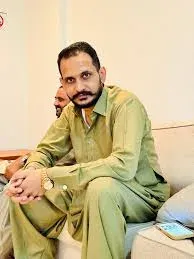
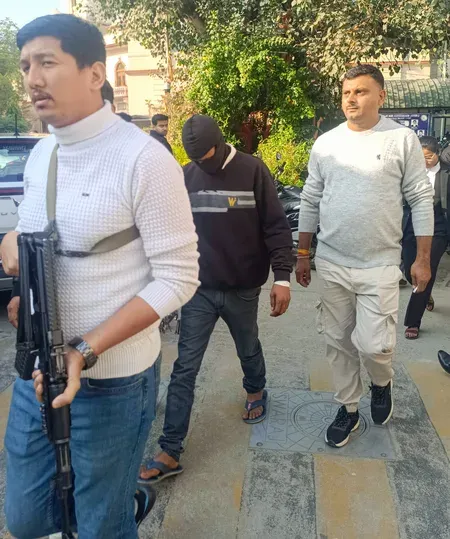
The Uttar Pradesh ATS arrested Sharon Ahmad , 29, this week for alleged recruitment and intelligence-gathering roles.
Recruits were paid as little as ₹3,000 to ₹5,000 to map local infrastructure and gather railway network data.
Target districts include Muzaffarnagar , Meerut , Ghaziabad , and Noida , chosen for proximity to the national capital.
Long-term objectives reportedly include targeted killings , arms smuggling , and disruption of Delhi-area railway operations .
Uttar Pradesh has emerged as the primary recruitment ground for the Shahzad Bhatti terror network, which is allegedly operated at the direction of Pakistan's Inter-Services Intelligence (ISI) to enlist Indian youth for anti-India activities. Of the 20 persons arrested so far in the case, nine are from Uttar Pradesh, according to officials. Investigations have also extended to Delhi and Maharashtra, but UP remains the network's core operational focus.
Key Arrests and the UP Module
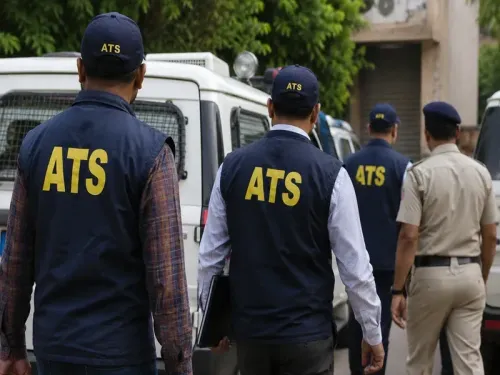
The Uttar Pradesh Anti-Terrorist Squad (ATS) this week arrested Sharon Ahmad, 29, a Class VII dropout, for his alleged role in the network. Investigators say Ahmad was promised financial rewards to gather sensitive information and was additionally tasked with recruiting and radicalising young people through social media platforms.
An Intelligence Bureau official said that in recent weeks it has become clear that the Bhatti network and its chain of recruiters have been concentrating primarily on Uttar Pradesh. The syndicate's stated aim, according to officials, is to build a cadre of youth on social media who would in turn draw in more recruits — ultimately forming a ground network capable of carrying out targeted killings, surveillance, and online radicalisation.
Why Western UP Was Targeted
Officials say the Bhatti network's focus on UP's western region is deliberate. “There is high digital vulnerability and the region is strategic due to its geographical proximity to national targets,” an Intelligence Bureau official said. The districts of Muzaffarnagar, Meerut, Ghaziabad, and Noida have been identified as primary recruitment zones, chosen for their closeness to the national capital and well-developed transport links that ease movement and coordination for operatives.
Investigators also note that the network has exploited existing criminal infrastructure in the region, using established local networks to facilitate recruitment and operations.
Recruitment Tactics and Economic Exploitation
The syndicate's recruitment playbook follows a clear pattern, according to officials. Headhunters have targeted the region's large youth demographic, capitalising on widespread smartphone penetration to push provocative and extremist content. The primary target audience is in the age group of 25 to 30, officials said.
Economic vulnerability has also been systematically exploited. Members of the network were reportedly willing to carry out assigned tasks for as little as ₹3,000 to ₹5,000, according to officials, underscoring how financial distress was weaponised to facilitate recruitment.
Notably, new recruits are not immediately assigned high-risk roles. Initial tasks involve recording local infrastructure and mapping public facilities — activities that do not attract the attention of security agencies. Over time, officials say, these individuals are given more significant assignments.
Broader Objectives: Rail Networks and Sabotage
Investigators have found that the UP module was specifically tasked with gathering detailed information about the railway network, including signal systems and sensitive operational data. Officials say this intelligence gathering is clearly aimed at disrupting operations in Delhi and surrounding areas.
The longer-term objectives of the network, officials warn, are far more serious than the small payments and routine-seeming tasks suggest. Videos of local infrastructure and facility mapping are allegedly intended to support arms and ammunition smuggling operations and lay the groundwork for future anti-India activities.
What Comes Next
With investigations ongoing across multiple states, security agencies are working to map the full extent of the Bhatti network's reach in India. Officials have indicated that the arrests made so far represent only a portion of the network's active operatives, and further action is expected as the probe deepens.
Point of View
Low-cost model: pay recruits almost nothing, assign them innocuous-looking tasks, and build deniability at every layer. What is striking is how deliberately the syndicate has mapped India's socioeconomic fault lines — digital penetration without financial security, a large young demographic with limited employment, and existing criminal infrastructure willing to be co-opted. Western UP's proximity to Delhi makes it a logical staging ground, but the railway intelligence-gathering angle is the most alarming thread: disrupting signal systems is not petty sabotage, it is critical infrastructure targeting. Security agencies have made arrests, but the network's self-replicating social media recruitment model means dismantling it requires more than police action — it demands a counter-narrative strategy that has so far been conspicuously absent.
NationPress
25 Jul 2026
Frequently Asked Questions
What is the Shahzad Bhatti network?
The Shahzad Bhatti network is an alleged ISI-directed terror recruitment syndicate that targets Indian youth for anti-India activities including surveillance, targeted killings, online radicalisation, and arms smuggling. Twenty people have been arrested in the case so far, nine of them from Uttar Pradesh.
Why has the Bhatti network focused on Uttar Pradesh?
Officials say UP's western region was chosen for its high digital vulnerability, large youth demographic, proximity to national targets including Delhi, and the presence of existing criminal networks. Districts like Muzaffarnagar, Meerut, Ghaziabad, and Noida offer strong transport links that ease operative movement.
Who is Sharon Ahmad and why was he arrested?
Sharon Ahmad is a 29-year-old Class VII dropout arrested by the Uttar Pradesh ATS for his alleged role in the Bhatti network. He was reportedly promised financial rewards to gather sensitive information and was tasked with recruiting and radicalising youth through social media.
How much were recruits paid by the Bhatti network?
According to officials, network members were willing to carry out assigned tasks for as little as ₹3,000 to ₹5,000, highlighting how financial distress was exploited to facilitate recruitment. Initial tasks were low-risk, such as recording local infrastructure, with more serious assignments given over time.
What are the long-term objectives of the Bhatti network in UP?
Investigators say the network's longer-term goals include targeted killings, surveillance, arms and ammunition smuggling, and disruption of railway operations in Delhi and surrounding areas. The UP module was specifically tasked with mapping railway signal systems and sensitive infrastructure.