US Pursues Peace in Iran Conflict Amidst Strait of Hormuz Tensions
Synopsis
As tensions rise in the Strait of Hormuz, retired Lt. Gen. Sanjay Kulkarni shares critical insights on the US-Iran conflict, highlighting Iran's demands and the strategic importance of the region. This evolving situation has global implications, especially for energy supplies.
Key Takeaways
The US is striving to end hostilities with Iran .
Iran demands peace terms favorable to them .
The Strait of Hormuz is vital for global energy supply.
Iran's strategic positioning is significant due to its population and morale.
India's diplomatic stance reflects its energy dependency and regional interests.
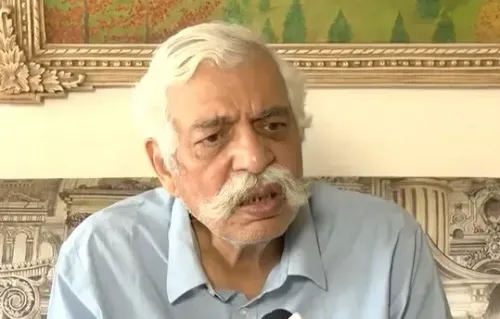
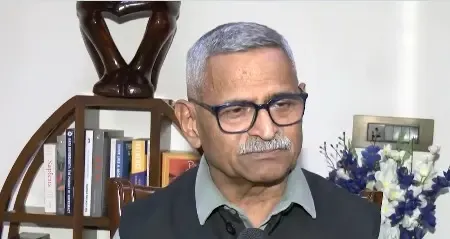
New Delhi, March 26 (NationPress) Retired Indian Army General, Lt. Gen. Sanjay Kulkarni, shared insights on the developing conflict between the US, Israel, and Iran, emphasizing the intricate dynamics surrounding a potential American peace initiative, Iran’s stipulations, and the worldwide consequences of rising tensions in the Strait of Hormuz.
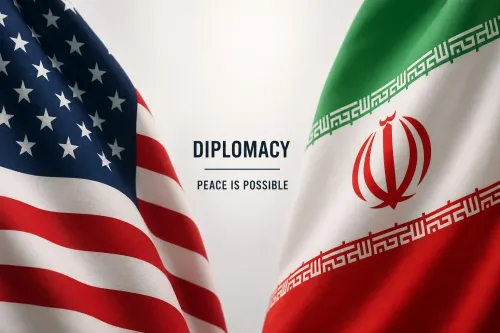
In an interview with IANS regarding the alleged US “15-point plan” aimed at ceasing hostilities with Iran, Lt. Gen. Kulkarni pointed out that while the United States seems eager to conclude the conflict swiftly, Tehran is inclined to negotiate peace solely on its own conditions. “The US is attempting to ensure that the war wraps up as soon as possible. Iran appears open to the idea, but only under its terms. This is where the challenge arises,” he stated.
He remarked on the extensive damage inflicted on Iranian cities, particularly in Tehran, making an “honourable exit” essential for Iran. Concurrently, he advised the United States to temper what he described as “bullying and arrogance” to promote a resolution.
Addressing the potential deployment of US troops, Kulkarni raised domestic and strategic concerns for Washington. “If they maintain a military presence, is America prepared for casualties?” he questioned, noting that, unlike many other nations, the US is not directly reliant on oil from the West Asian region.
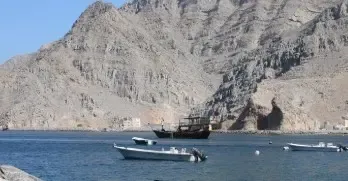
Explaining Iran’s strategic advantage, the former Army officer highlighted the country's geostrategic significance. “Iran is a vast nation with a substantial population and high morale. That is why it is trying to leverage the Strait of Hormuz as a strategic weapon,” he explained, indicating that this waterway is vital for energy supplies to countries like India, China, Japan, South Korea, and various European nations.
Kulkarni also mentioned reports of Iran permitting tankers from “friendly nations” to pass, describing it as a calculated strategy. “The Strait of Hormuz is an international passage. They must allow innocent transit. However, they are also signaling that hostilities persist. In a way, it resembles a clever strategic maneuver,” he added.
Regarding India's diplomatic stance, Kulkarni endorsed comments made by External Affairs Minister S. Jaishankar. He noted that Jaishankar's use of terms like “middleman” and “broker” exemplified Islamabad’s opportunistic behavior. “It clearly indicates Pakistan’s intentions and its inclination to insert itself for leverage,” he concluded.
Point of View
Particularly regarding energy supplies and regional stability. As both parties navigate their demands, the situation in the Strait of Hormuz remains a focal point of international concern.
NationPress
30 Sept 2026
Frequently Asked Questions
What is the significance of the Strait of Hormuz?
The Strait of Hormuz is a crucial waterway for global energy supplies, connecting major oil-producing nations to international markets.
What conditions is Iran placing on peace negotiations?
Iran is willing to consider peace only on its own terms, which include stipulations that the US must address.
What role does the US play in the Iran-Israel conflict?
The US seeks to mediate and bring about a resolution to the conflict, but its approach is often met with resistance from Iran.
How does the situation impact global energy markets?
Tensions in the Strait of Hormuz can lead to fluctuations in oil prices, affecting economies worldwide.
What is India’s stance on the US-Iran conflict?
India is closely monitoring the situation, as it relies on energy imports from the region and seeks to maintain stable diplomatic relations.