US senators urge sanctions on China's distant-water fishing fleet support ships
Synopsis
A bipartisan Senate coalition has identified the Achilles heel of China's vast fishing empire: the small number of supply ships that keep its fleet at sea. By targeting these vessels for OFAC sanctions rather than the fishing boats themselves, the senators are betting on a smarter pressure point — one that forces China's logistics network into ports where sanctions can actually bite.
Key Takeaways
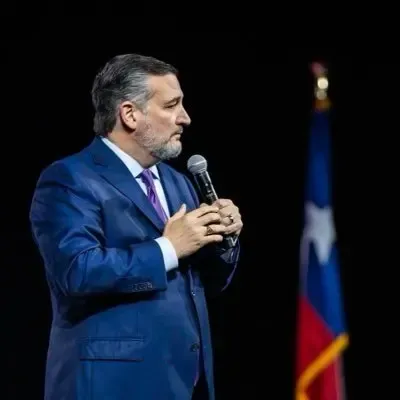
A bipartisan group of US senators , led by Senator Ted Cruz , sent a letter on 24 July 2025 urging Treasury Secretary Scott Bessent to sanction support vessels for China's distant-water fishing fleet.
The letter calls for listing vessels, owners, and beneficial owners on OFAC's Specially Designated Nationals and Blocked Persons List , and identifies 29 specific vessels not yet sanctioned.
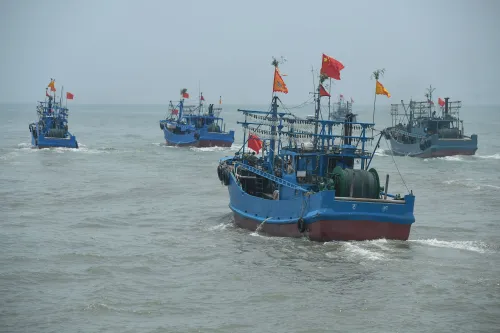
China's distant-water fleet is estimated at between 2,000 and 16,000 vessels , accounting for 44 per cent of global fishing activity from 2022 to 2024 , operating across 90 countries for 110 million hours .
Senators allege the fleet is linked to illegal harvesting, destruction of coral reefs, and forced labour including physical abuse, malnutrition, and withheld pay.
The initiative has backing from 10 senators including Tom Cotton , Chris Coons , Andy Kim , Roger Wicker , Rick Scott , and Marsha Blackburn .
A bipartisan group of US senators has urged Treasury Secretary Scott Bessent to impose sanctions on the support vessels that sustain China's distant-water fishing fleet, arguing that crippling the logistical backbone of the operation is the most effective way to curb what they described as widespread illegal fishing, environmental destruction, and forced labour linked to the Chinese Communist Party (CCP). The letter was sent on Thursday, 24 July 2025, and publicly released the following day.
What the Senators Are Demanding
Led by Senator Ted Cruz, chairman of the Senate Foreign Relations Subcommittee on Africa and Global Health Policy, the lawmakers asked the Treasury Department to identify refrigerated cargo ships, fuel tankers, and floating bases that allow Chinese fishing vessels to remain at sea for extended periods — effectively bypassing ports where existing sanctions could be enforced. The letter calls for placing these vessels, along with their owners and beneficial owners, on the Office of Foreign Assets Control's (OFAC) Specially Designated Nationals and Blocked Persons List.
The letter also identifies 29 specific vessels that the senators allege have not yet been sanctioned.
Scale of China's Fishing Operations
According to the letter, China's distant-water fishing fleet is estimated to consist of between 2,000 and 16,000 vessels. The lawmakers stated that the fleet accounted for 44 per cent of global fishing activity between 2022 and 2024, operating for 110 million hours in the waters of 90 countries. They alleged the fleet has been linked to illegal harvesting, destruction of coral reefs, and the exploitation of forced labour.
'The Chinese Communist Party is using its global distant-water fleet to conduct ecocide across at least three continents in both hemispheres,' Cruz said. 'They kill endangered species by the hundreds and sharks, whales, and dolphins by the thousands, and have destroyed tens of thousands of acres of coral reefs. Their fleet uses coerced laborers, who are subjected to physical abuse, malnutrition, overwork, and withheld pay.'
Why Targeting Support Ships Is the Strategy
The senators argued that while the United States has previously sanctioned Chinese fishing vessels and their operators, Beijing has built an extensive logistics network that blunts the effectiveness of those measures. Support ships transport catches, refuel fishing boats, and provide medical services — enabling vessels to stay at sea indefinitely without entering ports.
Crucially, the senators contend that support vessels are more vulnerable to sanctions than fishing boats because they require regular access to ports, insurance, financing, and commercial transactions. Once sanctioned, such vessels would face significant difficulties obtaining fuel, port services, and buyers for their cargo — turning them into liabilities rather than assets for China's fishing operations.
Senator Dan Sullivan said the proposed sanctions would 'strike at a key weakness' in China's fishing operations, adding that Chinese trawl fleets 'ravage fish stocks in every corner of the world's oceans without regard for any other users or future generations' and 'engage in gross human rights abuses, including utilizing slave labor.'
Bipartisan Backing and Key Voices
The initiative drew support from senators across party lines. Senator Andy Kim said China's 'dark fleets and forced labor threaten New Jersey's fishing industries, our supply chains, and our national security,' warning that 'without action, global ecosystems and economies will suffer irreversible harm.'
Other senators joining the letter included Tom Cotton, Chris Coons, Roger Wicker, Todd Young, Rick Scott, and Marsha Blackburn. Cotton said the vessels 'threaten our maritime security and Americans' livelihoods.' Coons accused the fleet of 'destroying our oceans,' while Wicker called sanctions 'a no-brainer.' Young cited 'overfishing and illegal incursions into foreign waters,' Scott accused the CCP of using 'slave labor and violating human rights on the high seas,' and Blackburn said the move would help ensure the United States was 'not doing business with them.'
What Happens Next
The letter is addressed to Treasury Secretary Bessent, whose department controls OFAC sanctions designations. It remains to be seen whether the administration will act on the bipartisan recommendation. If sanctions are imposed, China's fishing support network — which critics argue has allowed the fleet to operate with near-impunity across three continents — could face significant operational disruption.
Point of View
Reefers, floating bases — is harder to obscure and more commercially exposed. The real question is whether the Treasury Department, already managing a fragile trade truce with Beijing, has the political appetite to act. The bipartisan framing is deliberate: it makes inaction harder to justify on partisan grounds, but it does not guarantee executive follow-through.
NationPress
25 Jul 2026
Frequently Asked Questions
Why are US senators targeting China's fishing support vessels instead of fishing boats?
The senators argue that support ships — tankers, refrigerated cargo vessels, and floating bases — are more vulnerable to sanctions than fishing boats because they require regular port access, insurance, and commercial financing. Sanctioning them would deny the fishing fleet its logistical lifeline, forcing vessels into ports where existing measures can be enforced.
What sanctions are the senators requesting?
The senators have asked Treasury Secretary Scott Bessent to place support vessels and their owners on OFAC's Specially Designated Nationals and Blocked Persons List. The letter identifies 29 specific vessels it says have not yet been sanctioned.
How large is China's distant-water fishing fleet?
According to the senators' letter, China's distant-water fishing fleet is estimated at between 2,000 and 16,000 vessels. It reportedly accounted for 44 per cent of global fishing activity between 2022 and 2024, operating for 110 million hours across the waters of 90 countries.
What human rights concerns are linked to China's fishing fleet?
The senators allege that workers aboard the fleet are subjected to forced labour, including physical abuse, malnutrition, overwork, and withheld pay. Senator Ted Cruz described these as 'coerced laborers,' while Senator Rick Scott accused the Chinese Communist Party of using 'slave labor and violating human rights on the high seas.'
Which senators signed the letter to Treasury Secretary Bessent?
The letter was led by Senator Ted Cruz and co-signed by Senators Dan Sullivan, Andy Kim, Tom Cotton, Chris Coons, Roger Wicker, Todd Young, Rick Scott, and Marsha Blackburn — a bipartisan group spanning both parties.