Uttarakhand CM Dhami suspends Saat Mod tree-felling amid Dehradun protests
Synopsis
Uttarakhand CM Dhami blinked first. After protesters turned the state's own tree-worship festival into a 'Black Harela' demonstration, he suspended tree-felling at Saat Mod — putting a ₹743 crore NHAI highway project on hold until stakeholders agree. It is a rare political retreat on infrastructure in a state where road expansion has long been treated as non-negotiable.
Key Takeaways
CM Pushkar Singh Dhami suspended tree-felling at Saat Mod , Dehradun on 18 July , pending stakeholder consensus.
Over 4,000 trees were slated for felling for the Bhaniyawala–Rishikesh highway-widening project .
Protesters marked 'Black Harela' on Thursday, inverting Uttarakhand's annual nature festival to signal dissent.
The NHAI project spans approximately 20 kilometres and is valued at ₹743 crore , built under the Hybrid Annuity Mode .
Wildlife provisions in the project include a 3.5-km elephant underpass and special culverts for smaller animals.
Dhami directed the Chief Secretary to hold fresh dialogue with locals, experts, and public representatives before work resumes.
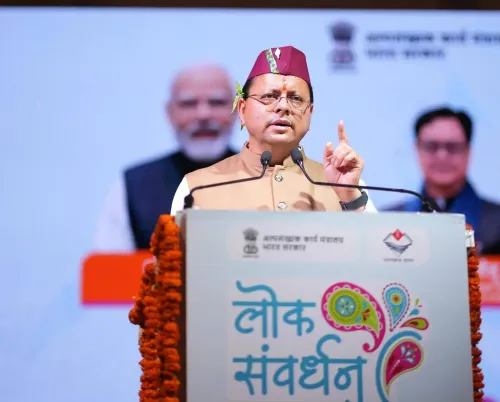
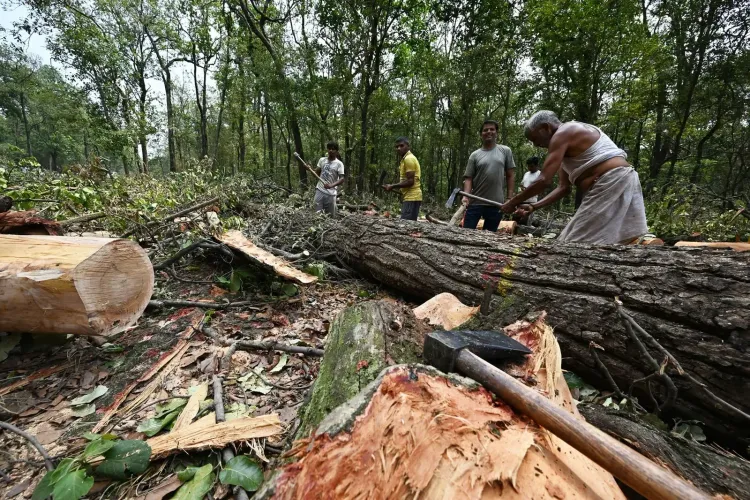
Uttarakhand Chief Minister Pushkar Singh Dhami on Saturday, 18 July ordered an immediate suspension of tree-felling at the 'Saat Mod' forest stretch in Dehradun, halting work on the Bhaniyawala–Rishikesh highway-widening project until a consensus is reached with all stakeholders. The decision follows sustained protests by environmentalists and local residents opposed to the proposed felling of over 4,000 trees for the road expansion.
What Triggered the Halt
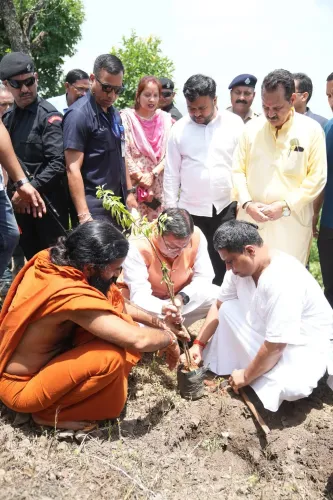
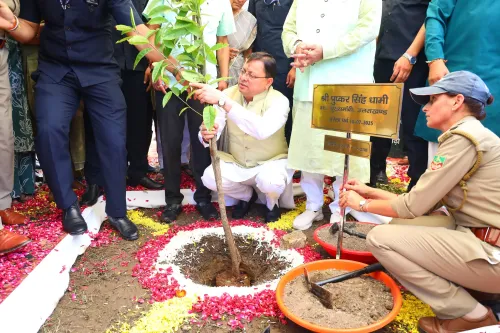
Demonstrations against the project stretched across several days, intensifying when protesters chose to mark 'Black Harela' on Thursday — a deliberate inversion of Uttarakhand's annual Harela festival, which traditionally celebrates trees and nature. The symbolic protest drew wider public attention and added political pressure on the state government to respond.
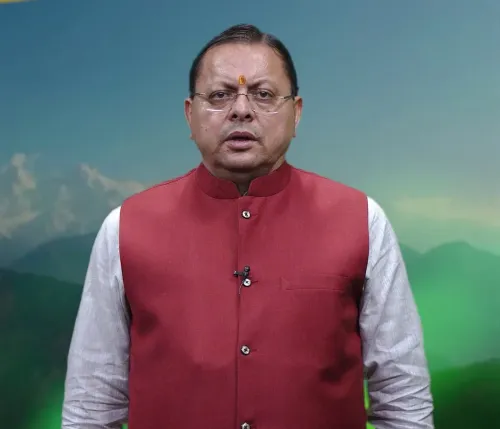
Chief Minister Dhami acknowledged the groundswell of concern in a post on X, stating: 'I have taken serious note of the concerns and suggestions expressed in recent days by numerous citizens, environmental enthusiasts, and local residents regarding the Dehradun–Rishikesh four/six-lane project.'
What the Government Said
Dhami emphasised that the Bhaniyawala–Rishikesh project is a National Highways Authority of India (NHAI) initiative being executed under the Hybrid Annuity Mode (HAM) at a cost of ₹743 crore, and that proceedings had been carried out in compliance with High Court directions and all statutory and environmental approvals.
He noted that wildlife safeguards are built into the project design, including an approximately 3.5-kilometre-long elephant underpass and special culverts for smaller wildlife — measures intended to reduce human-wildlife conflict and road accident fatalities on the stretch. The NHAI separately confirmed that the roughly 20-kilometre project is being executed in accordance with mitigation measures recommended by experts, particularly concerning elephant corridors.
The Consensus Condition
Dhami directed the Chief Secretary and concerned officials to resume detailed dialogue with all stakeholders — local citizens, public representatives, and domain experts — before any further tree-felling proceeds. He made clear that future proceedings will be conducted 'with full respect for the directions and decisions of the Hon'ble High Court.'
'Development is essential for us, but no decision will be taken while ignoring public sentiments, the environment, and local interests,' Dhami said. He added: 'For me, Uttarakhand's nature, public sentiments, and the state's development — all three are equally important. Our government will move forward only on the basis of dialogue, consensus, and broad public interest.'
Broader Context
The Saat Mod controversy is part of a recurring tension in Uttarakhand between infrastructure expansion — driven by rising pilgrim traffic to Char Dham shrines and national highway upgrades — and the state's ecologically sensitive Himalayan terrain. Critics argue that large-scale road projects in the region have repeatedly underestimated environmental costs, particularly in forest corridors shared with elephants and other wildlife. This comes amid growing scrutiny of highway projects across India's hill states, where tree-loss assessments and compensatory afforestation compliance remain contested.
With the suspension now in place, the pace and outcome of the stakeholder dialogue will determine whether the project resumes in its current form, is redesigned, or faces a longer legal and political standoff.
Point of View
NHAI-executed ₹743 crore project does not simply pause indefinitely. The real question is whether the stakeholder dialogue produces a genuine redesign or merely provides political cover before felling quietly resumes. Uttarakhand's track record on compensatory afforestation and wildlife corridor compliance in highway projects has been patchy, and no independent monitoring mechanism has been announced. Without one, this halt risks being a pressure-valve moment rather than a policy shift.
NationPress
18 Jul 2026
Frequently Asked Questions
Why has tree-felling at Saat Mod in Dehradun been stopped?
Uttarakhand CM Pushkar Singh Dhami suspended tree-felling at the Saat Mod forest stretch on 18 July after sustained public protests against the proposed removal of over 4,000 trees for the Bhaniyawala–Rishikesh highway-widening project. He stated that no further felling will occur until a consensus is reached with all stakeholders.
What is the Bhaniyawala–Rishikesh highway project?
It is an approximately 20-kilometre road-widening initiative being executed by the National Highways Authority of India (NHAI) under the Hybrid Annuity Mode at a cost of ₹743 crore. The project aims to expand the Dehradun–Rishikesh corridor to four or six lanes and has received statutory and environmental approvals, as well as High Court clearance.
What is 'Black Harela' and why did protesters use it?
Harela is Uttarakhand's annual festival celebrating trees and nature. Protesters chose to mark 'Black Harela' — a symbolic inversion of the festival — to highlight what they see as the contradiction of a state government felling thousands of trees while celebrating nature. The gesture drew significant public and media attention.
What wildlife safeguards are included in the highway project?
The project design includes an approximately 3.5-kilometre-long elephant underpass and special culverts for the movement of smaller wildlife, intended to reduce human-wildlife conflict and road accident fatalities along the stretch. NHAI says these measures were recommended by wildlife experts, particularly in view of elephant corridors along the route.
What happens next after the tree-felling suspension?
CM Dhami has directed the Chief Secretary and concerned officials to hold fresh, detailed dialogue with local citizens, public representatives, and experts before any further work proceeds. Future action will also be guided by directions from the High Court, which had previously sanctioned the project.