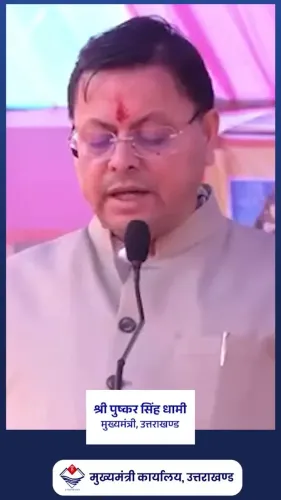
CM Uttarakhand: Maa Barahi Dham to get Rs 15 Cr makeover
Synopsis
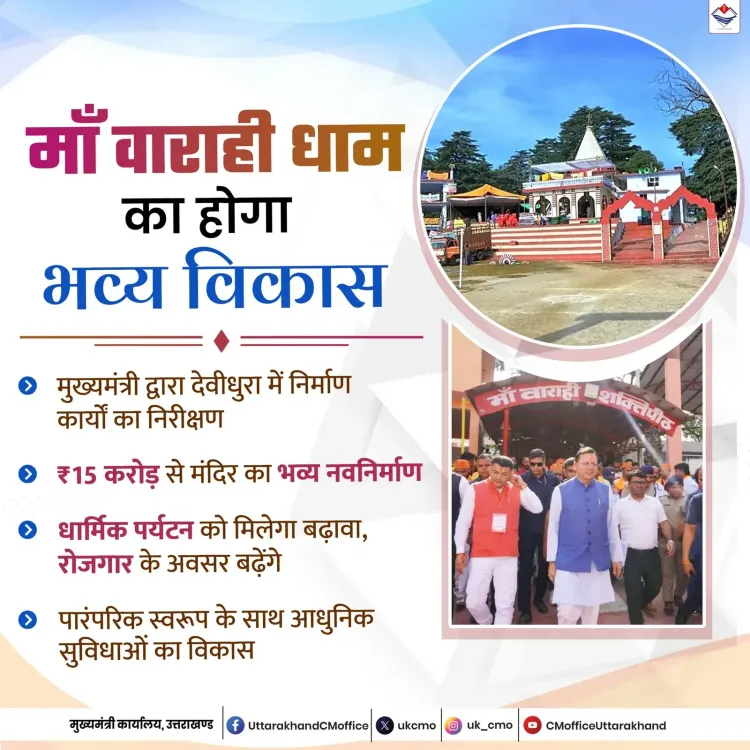
The Chief Minister's Office of Uttarakhand has announced a ₹15 crore grand reconstruction of Maa Barahi Dham, a regional Hindu pilgrimage site. The project extends the state's strategy of developing secondary shrines to broaden its religious tourism circuit beyond the Char Dham, benefiting pilgrims, local trusts, and tourism revenue.
Key Takeaways
The Chief Minister's Office of Uttarakhand announced the reconstruction of Maa Barahi Dham on 30 May 2026 .
The project carries a total outlay of ₹15 crore .
The shrine is dedicated to Goddess Barahi and serves as a significant regional pilgrimage destination in Uttarakhand .
The initiative aligns with the state's long-standing policy of upgrading secondary shrines to expand its religious tourism circuit.
Key next steps include the tendering process, contractor appointment, and monitoring of physical progress milestones.
Local communities, pilgrims, and temple trusts are the primary stakeholders expected to benefit from the development.
The Chief Minister's Office of Uttarakhand announced on Saturday, 30 May 2026 that Maa Barahi Dham, a revered Hindu pilgrimage site in the state, will undergo a grand reconstruction at a cost of ₹15 crore.
Context
The official post from the Chief Minister's Office stated: 'माँ बाराही धाम का ₹15 करोड़ की लागत से होगा भव्य नवनिर्माण' — ('Maa Barahi Dham will undergo grand new construction at a cost of ₹15 crore'). The announcement signals the state government's intent to elevate the shrine's infrastructure to match the scale of devotion it attracts from pilgrims across the region.
Maa Barahi Dham is dedicated to Goddess Barahi and functions as a significant regional pilgrimage destination within Uttarakhand. The temple draws a steady stream of devotees and has long been considered a spiritually important site beyond the state's headline Char Dham circuit.
Policy Backdrop
The announcement fits squarely within Uttarakhand's established pattern of investing state funds in secondary shrines to broaden its religious tourism footprint. Following the devastation of the 2013 Kedarnath floods, the state launched a multi-hundred-crore reconstruction programme that rebuilt temple complexes and surrounding townships, setting a template for shrine-led infrastructure development.
The Char Dham connectivity project, approved in 2016, further embedded shrine-area upgrades — covering roads, lighting, and pilgrim amenities — into the state's broader infrastructure planning. Projects targeting secondary pilgrimage sites like Maa Barahi Dham extend this logic, channelling investment toward sites that can absorb pilgrim overflow and diversify tourism revenue streams.
Stakeholders and Impact
The primary beneficiaries of the reconstruction will be pilgrims visiting the shrine and the local temple trust responsible for its day-to-day management. Improved infrastructure — which typically encompasses better approach roads, enhanced lighting, rest facilities, and structural upgrades to the main sanctum — directly improves the pilgrim experience and can significantly increase footfall.
Local communities and small traders dependent on shrine-linked commerce also stand to gain from a more developed pilgrimage destination. For the Government of Uttarakhand, a modernised Maa Barahi Dham adds another node to the state's religious tourism network, supporting its annual tourism revenue targets.
What's Next
The immediate steps will involve the tendering process for the reconstruction work, followed by the appointment of contractors and the drawing up of a construction timeline. Observers will watch whether the ₹15 crore outlay is drawn from existing scheme allocations or represents a fresh budget line in the current fiscal year.
Progress milestones and any supplementary allocations for the site in subsequent budgets will be key indicators of the project's pace. If the reconstruction follows the trajectory of comparable shrine projects in Uttarakhand, it could also attract ancillary investment in accommodation and connectivity infrastructure in the surrounding area, further deepening the state's religious tourism ecosystem.
Frequently Asked Questions
What is the Maa Barahi Dham reconstruction project in Uttarakhand?
The Government of Uttarakhand has announced a grand reconstruction of Maa Barahi Dham, a Hindu temple dedicated to Goddess Barahi, at a total cost of ₹15 crore. The project aims to upgrade the shrine's infrastructure and enhance the pilgrim experience.
How much money is being spent on Maa Barahi Dham?
The Uttarakhand government has allocated ₹15 crore for the reconstruction and development of Maa Barahi Dham.
Where is Maa Barahi Dham located?
Maa Barahi Dham is a Hindu pilgrimage site in Uttarakhand dedicated to Goddess Barahi. It serves as a notable regional shrine within the state's broader religious tourism network.
Why is Uttarakhand investing in temple reconstruction?
Uttarakhand has a long-standing policy of developing secondary pilgrimage sites to expand its religious tourism circuit beyond the main Char Dham destinations, generating wider tourism revenue and improving infrastructure for pilgrims.
What happens after the Maa Barahi Dham announcement?
The next steps involve floating tenders for the construction work, appointing contractors, and setting physical progress milestones. Budget watchers will also track whether the ₹15 crore comes from an existing scheme or a new allocation.