Uttarakhand stocks 50,000 fish seeds in Champawat lakes
Synopsis
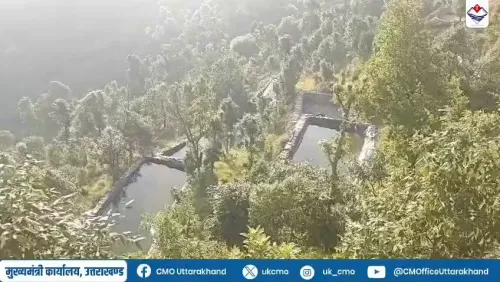
The Chief Minister's Office of Uttarakhand announced the stocking of 50,000 fish seeds in Kolidek Lake and the Gauri River in Champawat district on June 12, 2026, calling it a significant step toward aquatic biodiversity conservation in the Himalayan region.
Key Takeaways
50,000 fish seeds were stocked in Kolidek Lake and the Gauri River in Champawat district , Uttarakhand, on June 12, 2026 .
The initiative was announced by the Chief Minister's Office of Uttarakhand as a step toward aquatic biodiversity conservation.
Champawat is a Kumaon-region district bordering Nepal, with Himalayan water bodies under pressure from habitat fragmentation and climate variability.
The exercise aligns with the Pradhan Mantri Matsya Sampada Yojana (2020) and the Namami Gange programme (2014) , both of which include fisheries and river ecosystem components.
Both a lake and a river were targeted in a single stocking event, indicating a coordinated approach across different aquatic habitat types.
Local fisherfolk and aquatic biodiversity groups are the primary stakeholders expected to benefit from the replenishment effort.
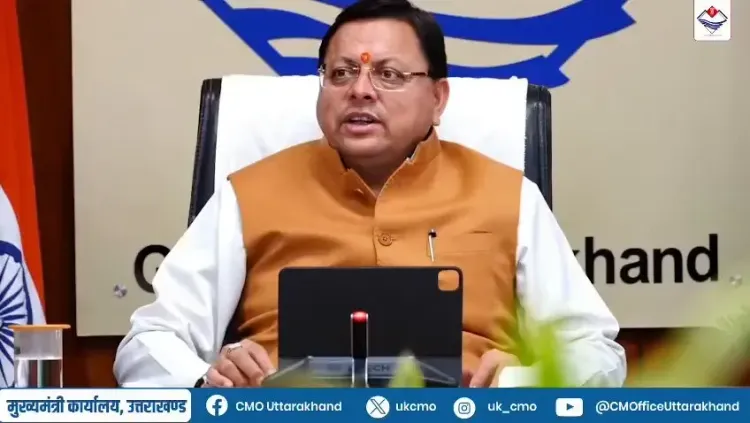
The Chief Minister's Office of Uttarakhand on Friday, June 12, 2026, announced the stocking of 50,000 fish seeds in Kolidek Lake and the Gauri River in Champawat district, describing the initiative as a significant step toward the conservation of aquatic biodiversity in the Himalayan region.
The official post read: 'जनपद चम्पावत की कोलीढेक झील और गौड़ी नदी में 50 हजार मत्स्य बीजों का संचयन, जलीय जैव विविधता संरक्षण की दिशा में महत्वपूर्ण कदम' — translated as: 'Stocking of 50,000 fish seeds in Kolidek Lake and Gauri River of Champawat district — an important step toward aquatic biodiversity conservation.'
Context
Champawat is a district in Uttarakhand's Kumaon division, situated along the Nepal border and home to several lakes and river systems that form a critical part of the state's Himalayan aquatic ecosystem. The district's water bodies have faced documented pressures from habitat fragmentation and shifting water regimes driven by climate variability. Fish seed stocking — the release of juvenile fish into natural water bodies — is a standard conservation and fisheries management technique aimed at replenishing native populations.Policy Backdrop
The initiative aligns with two major national frameworks. The Pradhan Mantri Matsya Sampada Yojana, launched by the Government of India in 2020, was designed to modernise fisheries infrastructure, increase fish production, and support aquatic biodiversity conservation across participating states, including Uttarakhand. Separately, the Namami Gange programme, initiated in 2014, incorporated river ecosystem restoration and fisheries development components applicable to Uttarakhand's Himalayan river network. Uttarakhand has pursued targeted stocking and habitat measures in its lakes and rivers as part of broader state-level biodiversity and climate adaptation strategies, consistent with these national frameworks.Stakeholders and Impact
The stocking exercise is expected to benefit local fisherfolk in and around Champawat who depend on these water bodies for their livelihoods. Beyond economic impact, the measure carries ecological significance: native fish populations in mountain water bodies play a role in nutrient cycling and maintaining the balance of aquatic food chains. Conservation groups focused on aquatic biodiversity in the Himalayan belt have long advocated for such targeted replenishment efforts as a counter to population decline in native species. The use of both a lake — Kolidek Lake — and a river — the Gauri River — in a single stocking event suggests a coordinated approach across different aquatic habitat types within the same district.What's Next
The effectiveness of such stocking programmes depends on follow-up monitoring to assess survival rates and the integration of fish seeds into the existing ecosystem. Observers will watch for the Uttarakhand fisheries department's progress reports on stocking outcomes, as well as any state budget allocations for expanded aquatic conservation under the 2026-27 fiscal cycle. If the Champawat exercise yields measurable results, it could serve as a template for similar interventions in other ecologically sensitive districts across the state.Point of View
Translating policy into measurable ecological action. By targeting both a lake and a river in the same district, the exercise reflects a more integrated approach to aquatic habitat management than single-site interventions typically allow. Politically, the announcement allows the Chief Minister's Office to demonstrate visible environmental stewardship in a border district where development and conservation pressures intersect. The real test will be whether this becomes a monitored, repeatable programme or remains a one-off gesture ahead of the state's budget cycle.
NationPress
14 Sept 2026
Frequently Asked Questions
What is fish seed stocking and why is it done?
Fish seed stocking involves releasing juvenile fish into natural water bodies to replenish declining native populations. It is used as a conservation and fisheries management tool to restore aquatic biodiversity and support local fishing communities.
Where are Kolidek Lake and Gauri River located?
Both Kolidek Lake and the Gauri River are located in Champawat district , part of the Kumaon division of Uttarakhand, a Himalayan state in northern India.
What is the Pradhan Mantri Matsya Sampada Yojana?
The Pradhan Mantri Matsya Sampada Yojana is a central government scheme launched in 2020 to modernise India's fisheries sector, boost fish production, and support aquatic biodiversity conservation across states including Uttarakhand.
How many fish seeds were stocked in Champawat?
50,000 fish seeds were stocked across Kolidek Lake and the Gauri River in Champawat district, as announced by the Chief Minister's Office of Uttarakhand on June 12, 2026.
What is Uttarakhand doing for aquatic biodiversity conservation?
Uttarakhand has been pursuing targeted fish seed stocking and habitat measures in its lakes and rivers as part of state-level biodiversity and climate adaptation strategies, aligned with national programmes such as the Pradhan Mantri Matsya Sampada Yojana and Namami Gange.