CM Uttarakhand Vows to Revive Doon Basmati Across India
Synopsis
The Chief Minister's Office of Uttarakhand announced on 27 July 2026 that Doon Basmati — the aromatic heritage rice variety synonymous with Dehradun — will be revived and promoted across India, signalling a state push to restore the GI-tagged grain's national market presence and support valley farmers.
Key Takeaways
The Chief Minister's Office of Uttarakhand announced on 27 July 2026 plans to revive and nationally promote Doon Basmati rice.
Doon Basmati is a traditional aromatic rice variety native to the Doon Valley, Dehradun , known for its distinct fragrance and taste.
The variety had declined sharply over decades due to hybrid seed displacement and urban encroachment on farmland.
Basmati rice, including produce from Uttarakhand , received a Geographical Indication (GI) tag in 2013 , providing legal and commercial protections.
Smallholder rice farmers in the Doon Valley are the primary intended beneficiaries of any revival initiative.
Specific policy measures — seed programmes, procurement support, or export linkages — are yet to be announced and will be watched in upcoming state budget cycles.
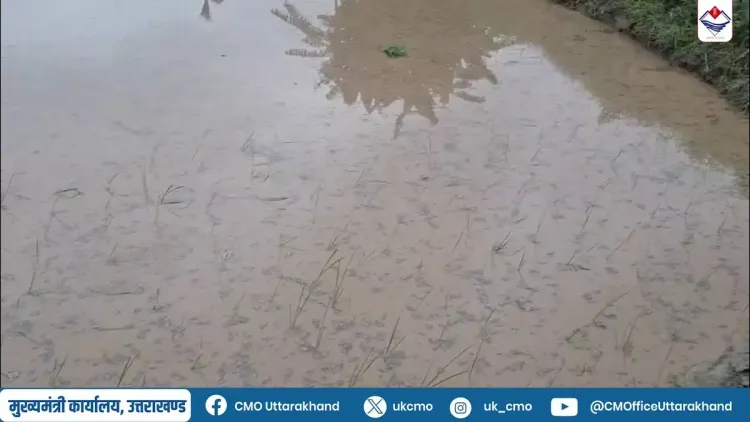
The Chief Minister's Office of Uttarakhand announced on Monday, 27 July 2026 that the iconic Doon Basmati rice — long regarded as the culinary identity of Dehradun — will once again be promoted across the country, signalling a state push to restore the heritage grain's national presence.
The post declared, in Hindi: 'Dehradun ki pehchaan, paramparik "Doon Basmati" ka swaad aur khushbu ek baar phir desh bhar mein failegi' — 'The identity of Dehradun, the taste and fragrance of the traditional Doon Basmati, will once again spread across the country.' The phrasing 'once again' carries deliberate weight, acknowledging that this distinctive variety had faded from mainstream markets over decades.
Context
Doon Basmati is an aromatic, long-grain rice variety native to the Doon Valley in Dehradun district. Grown in the fertile alluvial plains flanked by the Himalayas and the Shivalik range, it derives its singular fragrance from the valley's unique soil composition and microclimate. Farmers and food historians have long distinguished it from other Basmati varieties grown on the Indo-Gangetic plains, citing its shorter grain, richer aroma, and distinct taste profile.
Over the past several decades, the variety suffered a sharp decline as high-yielding hybrid paddy cultivars displaced traditional seeds, and urban expansion consumed agricultural land in and around Dehradun. The result was a near-disappearance of Doon Basmati from commercial supply chains, even as demand for premium Basmati rice grew nationally and internationally.
Policy Backdrop
India's Geographical Indication (GI) registry granted a GI tag to Basmati rice in 2013, covering designated growing regions that include parts of Uttarakhand. The GI framework is designed to protect traditional produce from imitation and to give certified growers a legal and commercial advantage in both domestic and export markets.
Uttarakhand has in recent years positioned itself as a hub for organic and traditional agricultural produce, promoting GI-tagged products as part of a broader rural economy strategy. The state's emphasis on Doon Basmati fits within a national pattern of state governments reviving heritage crop varieties to support smallholder farmers, preserve agrobiodiversity, and capture premium market segments against mass-produced alternatives.
Stakeholders and Impact
The primary beneficiaries of any revival effort would be rice farmers and agricultural producers in the Doon Valley, many of whom are smallholders who historically cultivated the variety. A successful market push could improve farm incomes, incentivise the preservation of traditional seed stocks, and slow the conversion of agricultural land to non-farm uses.
Consumers stand to benefit from wider access to a premium heritage variety. For Dehradun itself, the revival carries cultural significance — Doon Basmati has historically been part of the city's identity, and its return to national shelves would reinforce the valley's agricultural heritage alongside its better-known associations with education and the defence services.
What's Next
The announcement sets an expectation for concrete follow-through in the form of seed distribution programmes, procurement support, market linkages, or export promotion measures tied to the GI framework. Observers will watch upcoming Uttarakhand state budget and agricultural policy announcements for specific allocations toward Doon Basmati cultivation and marketing.
If the state can build a credible supply chain and quality certification mechanism, Doon Basmati could emerge as a flagship product in India's growing market for traceable, origin-certified premium foods — a segment that has expanded considerably with rising consumer interest in traditional and organic produce.
Point of View
Not just agricultural economics. This is a well-worn playbook in Indian state politics: GI-tagged heritage produce serves simultaneously as a rural welfare instrument, a branding asset, and an electoral signal to farming constituencies. The real test will be whether the announcement translates into funded programmes with measurable output targets, or remains aspirational messaging. Given Uttarakhand's ongoing push to position itself as an organic and traditional-produce destination, a credible Doon Basmati supply chain could meaningfully differentiate the state in premium domestic and export markets.
NationPress
26 Oct 2026
Frequently Asked Questions
What is Doon Basmati rice?
Doon Basmati is a traditional aromatic long-grain rice variety grown in the Doon Valley of Dehradun, Uttarakhand. It is prized for its distinctive fragrance and taste, which are attributed to the valley's unique soil and microclimate.
Why did Doon Basmati disappear from markets?
Over several decades, high-yielding hybrid paddy varieties displaced traditional Doon Basmati cultivation, and urban expansion in and around Dehradun reduced available agricultural land, causing the variety to nearly vanish from commercial supply chains.
Does Doon Basmati have a GI tag?
Yes. Basmati rice — including produce from designated areas of Uttarakhand — was granted a Geographical Indication (GI) tag in India in 2013, offering legal protection and commercial advantages to certified growers.
What did the Uttarakhand CMO announce about Doon Basmati?
On 27 July 2026, the Chief Minister's Office of Uttarakhand posted that the taste and fragrance of traditional Doon Basmati will 'once again spread across the country,' signalling a state-level revival and national promotion effort.
Who benefits from the Doon Basmati revival?
Smallholder rice farmers in the Doon Valley stand to gain most directly through improved incomes and market access. Consumers benefit from wider availability of a premium heritage variety, and Dehradun's agricultural identity is reinforced more broadly.