Women's quota, free coaching: Vadodara citizens back Modi's I-Day pledges
Synopsis
Modi's 80th Independence Day address did double duty in Vadodara — reigniting the stalled women's reservation debate and promising free online coaching to ease the coaching-cost burden on middle-class families. With the reservation law already passed in 2023 but blocked by a pending census and delimitation, the Prime Minister's Red Fort appeal is as much political pressure as policy announcement.
Key Takeaways
PM Modi on 15 August 2025 urged all parties to fast-track implementation of the Nari Shakti Vandan Adhiniyam , guaranteeing 33% seats for women in the Lok Sabha and state assemblies.
The women's reservation law was passed by Parliament in 2023 but its rollout is contingent on the completion of the national census and delimitation exercise .
Modi announced free online coaching for competitive examinations to reduce the financial burden on poor and middle-class families.
He also pledged AI training for one crore young Indians as part of a broader youth-focused package.
Civic leaders and advocates in Vadodara , including Varsha Vyas , Komal Kukreja , and Sheetal Upadhyay , publicly welcomed both announcements.
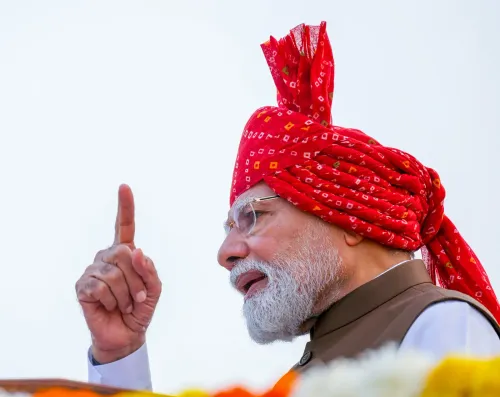
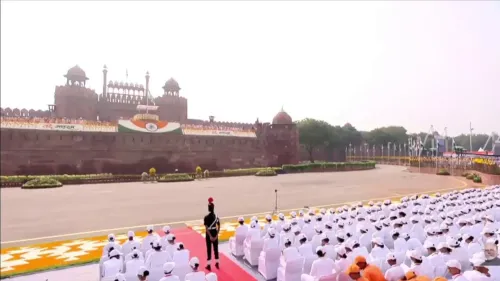
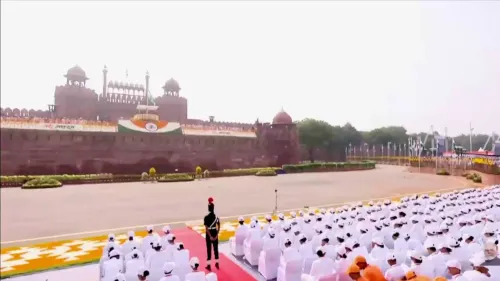
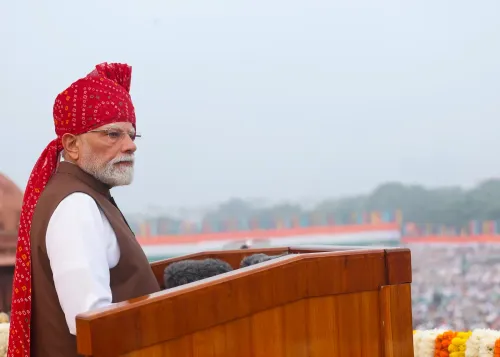
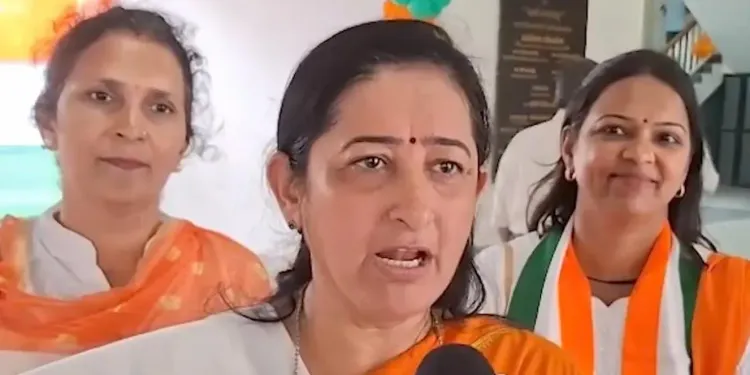
Women leaders and students in Vadodara, Gujarat, have strongly backed Prime Minister Narendra Modi's twin announcements from the Red Fort on 15 August 2025 — a renewed push for implementing the 33% women's reservation law and a government-funded free online coaching programme for competitive examinations. The pledges, made during India's 80th Independence Day address, drew immediate reactions from civic leaders, advocates, and students across the city.
Modi's Call on Women's Reservation
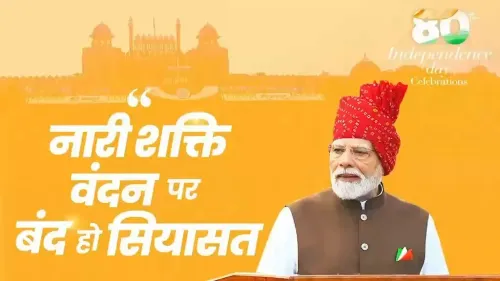
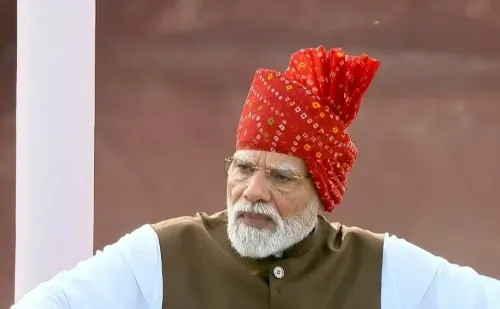
Addressing the nation, Modi urged all political parties to unite behind the swift implementation of the Nari Shakti Vandan Adhiniyam, the women's reservation legislation passed by Parliament in 2023, which guarantees 33% seats for women in the Lok Sabha and state legislative assemblies. The law's rollout remains tied to the completion of the national census and the delimitation exercise — both pending.
'Greater participation of women in legislative bodies would allow them to play a larger role in shaping the country's policies,' Modi said in his address.
Vadodara Women Leaders Respond
Varsha Vyas, Chairperson of the Standing Committee of the Vadodara Municipal Corporation, said she was grateful to the Prime Minister for raising the issue from the country's most prominent platform. She invoked India's long history of women's contribution to national causes, citing the 1857 revolt and figures such as Rani Lakshmibai.
'I express my thanks, gratitude and congratulations to our Prime Minister Narendra Modi for speaking about this point from the Red Fort today. Since the 1857 revolt, we have seen that from Rani Lakshmibai onwards, whenever and wherever there was a need, women have stood firmly and resolutely for the development of the country,' Vyas said.
Advocate Komal Kukreja said the Prime Minister's appeal should serve as a signal to all parties to drop resistance. 'Prime Minister Modi has declared this from the Red Fort today on the 78th Independence Day, and has requested all parties that whatever requests were coming for implementing women's reservation, whatever obstacles were coming, all those countrymen and parties have been told that the participation of women, which is going to be 50 per cent from Panchayat to Parliament, should not be obstructed,' she said.
Advocate Sheetal Upadhyay also called on parties to set aside political differences. 'When he is inviting everyone from this platform, I would request all the parties through you as well, that all parties should keep aside whatever political differences there are, and when it comes to women, come together, support this and pass this Bill,' Upadhyay said.
Free Online Coaching for Competitive Exams
In a separate announcement targeting students and middle-class families, Modi said the government would launch free online coaching for competitive examinations, arguing that the cost of private coaching had become a financial strain for poorer households. He said digital access could enable students to prepare without relocating to larger cities or paying steep coaching fees.
Advocate and student Shalav Majmudar welcomed the move, saying it could level the playing field for aspirants outside metropolitan centres. 'This is a significant initiative announced by the Prime Minister. He understands that, for many families, education is the biggest means of fulfilling their aspirations. The announcement of free online coaching will greatly benefit people who do not have access to proper coaching facilities,' Majmudar said.
Broader Youth-Focused Measures
The free coaching scheme was part of a wider package of youth-oriented announcements in Modi's address. He also outlined plans to provide artificial intelligence training to one crore young people, alongside other initiatives aimed at expanding opportunities for India's youth. Notably, this continues a pattern of Independence Day addresses being used to anchor large-scale social and economic commitments — with implementation timelines and funding structures typically detailed in subsequent policy circulars.
With the census and delimitation exercise still unscheduled, the timeline for activating the women's reservation law remains the critical open question that all parties — and the electorate — will be watching closely.
Point of View
Yet its implementation remains hostage to a census that has no confirmed date. Modi's Red Fort appeal is a political signal — but without a firm census and delimitation timeline, it risks being the same call made from the same platform in future years. The free coaching announcement is more immediately actionable, but its scale, curriculum quality, and delivery infrastructure will determine whether it genuinely disrupts the ₹60,000-crore private coaching industry or merely adds another government portal to an already crowded digital landscape.
NationPress
30 Sept 2026
Frequently Asked Questions
What is the Nari Shakti Vandan Adhiniyam?
The Nari Shakti Vandan Adhiniyam is a law passed by Parliament in 2023 that reserves 33% of seats for women in the Lok Sabha and state legislative assemblies. Its implementation is linked to the completion of the national census and the delimitation of constituencies, both of which are yet to take place.
Why has the women's reservation law not been implemented yet?
The law's activation is constitutionally tied to the completion of a national census and a subsequent delimitation exercise. Neither has been completed, leaving the law in a holding pattern since its passage in 2023.
What did PM Modi announce about free coaching on Independence Day?
Modi announced that the government would provide free online coaching for competitive examinations, citing the high cost of private coaching as a burden on poor and middle-class families. The initiative is part of a broader youth-focused package that also includes AI training for one crore young people.
How did Vadodara residents react to Modi's Independence Day announcements?
Women leaders, advocates, and students in Vadodara welcomed both announcements. Varsha Vyas of the Vadodara Municipal Corporation thanked the Prime Minister, while advocates Komal Kukreja and Sheetal Upadhyay called on all political parties to support the women's reservation legislation. Student Shalav Majmudar said the free coaching initiative could benefit aspirants without access to quality coaching.
Who is affected by the free online coaching announcement?
The initiative is primarily aimed at students from poor and middle-class families who cannot afford private coaching or relocate to larger cities for exam preparation. It is part of a wider set of youth-focused measures announced by Modi on India's 80th Independence Day.