Vadodara bullet train station: Slab casting done, steel erection begins
Synopsis
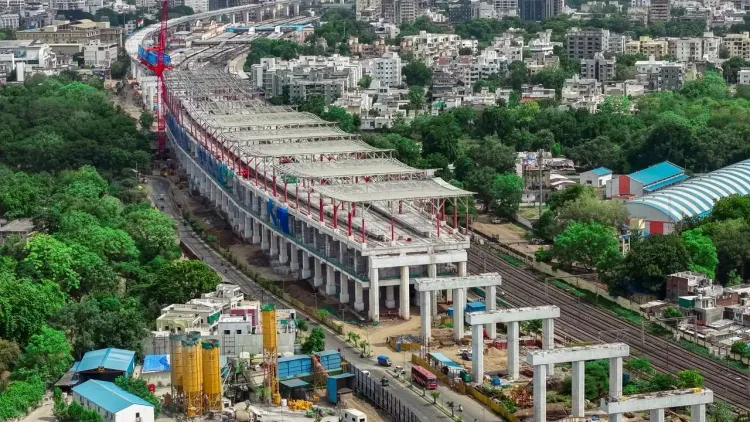
Vadodara's bullet train station — designed to evoke the banyan tree the city is named after — has cleared a major structural hurdle with slab casting finished across all levels and steel erection now underway. Positioned above Platform No. 7 of the existing railway station, it is shaping up as one of the most integrated multimodal transit hubs on India's first high-speed rail corridor.
Key Takeaways
Slab casting at the concourse, track, and platform levels of Vadodara Bullet Train Station is now complete.
Structural steel erection is actively underway, marking the next phase of the superstructure build.
The station is being built above Platform No.
7 of the existing Vadodara Railway Station , near Pandya Bridge .
Designed to resemble the banyan (Vat) tree , the station will feature natural daylight-maximising interiors and open-sky views.
Vadodara is one of 12 stations on the 508-km Mumbai-Ahmedabad High-Speed Rail corridor — India's first bullet train project.
Planned amenities include waiting lounges, a baby care room, retail outlets, and multimodal connectivity with bus depots and Western Railway .
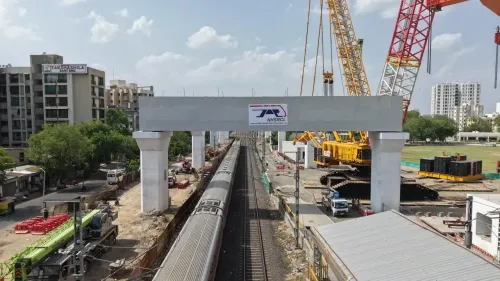
Construction of the Vadodara Bullet Train Station has crossed a significant structural milestone, with slab casting at the concourse, track, and platform levels now complete and structural steel erection actively progressing on site, according to the latest update from the National High Speed Rail Corporation Limited (NHSRCL). The station is part of India's first bullet train project — the 508-kilometre Mumbai-Ahmedabad High-Speed Rail corridor.
Where the Station Stands and Why Its Location Matters
The station is being built near the existing Vadodara Railway Station, close to Pandya Bridge, and is designed to rise directly above Platform No. 7 of the conventional rail terminus. This integrated placement is intended to enable seamless transfers between regular rail services and high-speed trains without requiring passengers to exit the station complex.
NHSRCL has also confirmed that the station's position will facilitate multimodal connectivity, linking it with the Western Railway station as well as the city's local and interstate bus depots — a deliberate effort to make the bullet train accessible to commuters arriving by various modes of transport.
Design Inspired by Vadodara's Identity
The station's architectural language draws from the banyan (Vat) tree, the symbol from which Vadodara — formerly known as Baroda — derives its name. Interiors have been planned to maximise natural daylight, with passenger areas designed to offer views of the open sky, giving the facility a distinctive character among the corridor's 12 planned stations.
Passenger Facilities Planned
Once the superstructure work and architectural finishing are complete, the station will house waiting lounges, a baby care room, restrooms, and retail outlets. Dedicated parking zones and designated pick-up and drop-off areas for cars, buses, and auto-rickshaws have also been incorporated into the layout to streamline passenger movement.
Where the Broader Corridor Stands
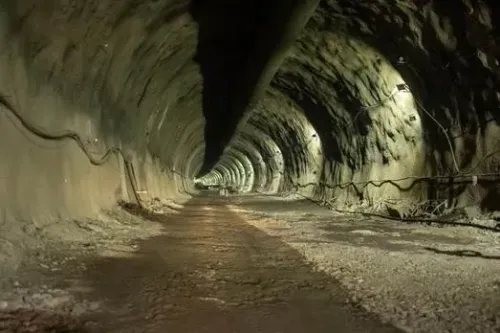
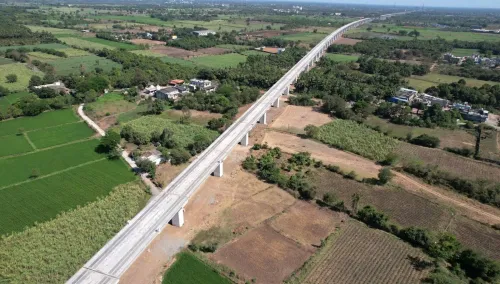
Vadodara is one of 12 stations planned along the Mumbai-Ahmedabad corridor, which will link Mumbai in Maharashtra with Ahmedabad in Gujarat. Across the project, recent construction activity has included station builds, bridge launches, viaduct development, and track infrastructure work at multiple locations in both states. The Vadodara station's structural progress places it among the more advanced stations on the corridor as the project moves toward its next phases of fit-out and finishing.
Point of View
Not top speed, determines ridership. The banyan-tree design is a welcome departure from generic transit architecture, but the harder test will be whether the multimodal promise translates into actual interchange efficiency once operations begin. With 12 stations and 508 kilometres to deliver, the corridor's credibility increasingly rests on whether individual stations like Vadodara can maintain this pace across finishing, systems installation, and safety certification.
NationPress
18 Sept 2026
Frequently Asked Questions
What is the current construction status of the Vadodara Bullet Train Station?
Slab casting at the concourse, track, and platform levels of the Vadodara Bullet Train Station is complete, and structural steel erection is now underway. This marks a key milestone in the station's superstructure construction before architectural finishing and passenger facility installation begin.
Where exactly is the Vadodara Bullet Train Station being built?
The station is being constructed near the existing Vadodara Railway Station, close to Pandya Bridge, and is designed to sit directly above Platform No. 7 of the conventional rail terminus. This placement enables direct transfers between regular trains and high-speed services.
What passenger facilities will the Vadodara Bullet Train Station offer?
The station will include waiting lounges, a baby care room, restrooms, and retail outlets. Separate parking and dedicated pick-up and drop-off zones for cars, buses, and auto-rickshaws are also planned, along with multimodal connectivity to Western Railway and local bus depots.
What is the design concept behind the Vadodara Bullet Train Station?
The station's architecture draws inspiration from the banyan (Vat) tree, which gives Vadodara its name. Interiors are designed to maximise natural daylight and provide open-sky views in passenger areas.
How many stations are planned on the Mumbai-Ahmedabad High-Speed Rail corridor?
A total of 12 stations are planned along the 508-kilometre Mumbai-Ahmedabad High-Speed Rail corridor, India's first bullet train project. The corridor connects Mumbai in Maharashtra with Ahmedabad in Gujarat through a dedicated high-speed rail network.