Vaishnaw Backs Amaravati as Future-Ready Capital

Synopsis
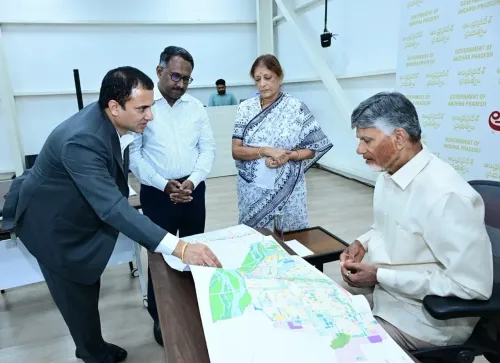
Union Minister Ashwini Vaishnaw on June 11, 2026, publicly championed Amaravati as Andhra Pradesh's future-ready capital, spotlighting an integrated government office complex and modern residential ecosystem aimed at faster, more efficient governance in the state.
Key Takeaways
Union Minister Ashwini Vaishnaw posted on June 11, 2026 backing Amaravati as a future-ready capital of Andhra Pradesh.
Plans include an integrated government office complex and a modern residential ecosystem to improve governance coordination.
Amaravati was designated Andhra Pradesh's capital after the 2014 bifurcation , with the foundation stone laid by PM Modi in 2015 .
The project stalled between 2019 and 2024 before being revived by the TDP-BJP alliance government under CM N.
State government employees, landowners who contributed to the land-pooling scheme, and urban developers are key stakeholders watching the project's progress.
Union Minister Ashwini Vaishnaw on Thursday, June 11, 2026, publicly backed the development of Amaravati as a future-ready capital, highlighting plans for an integrated government office complex and a modern residential ecosystem designed to accelerate governance efficiency in Andhra Pradesh.
Context
The minister's post underscores the central government's continued interest in the revival of the Amaravati capital project, which was originally conceived following the 2014 bifurcation of Andhra Pradesh under the Andhra Pradesh Reorganisation Act. The foundation stone for the new capital was laid by Prime Minister Narendra Modi in 2015, signalling strong early backing from New Delhi.
Vaishnaw's emphasis on an 'integrated government office complex and modern residential ecosystem' points to a vision of co-located administrative and living infrastructure — a model increasingly favoured in planned capital cities to reduce coordination lags between departments.
Policy Backdrop
The Amaravati project advanced through a land-pooling scheme between 2015 and 2019, drawing in thousands of acres from local farmers who were promised developed plots in return. Construction stalled significantly under the subsequent state government, leaving the capital incomplete for several years.
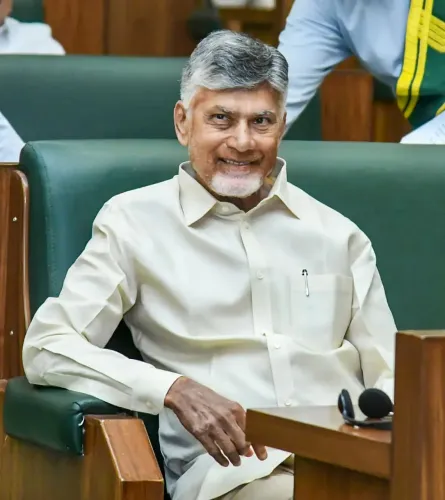
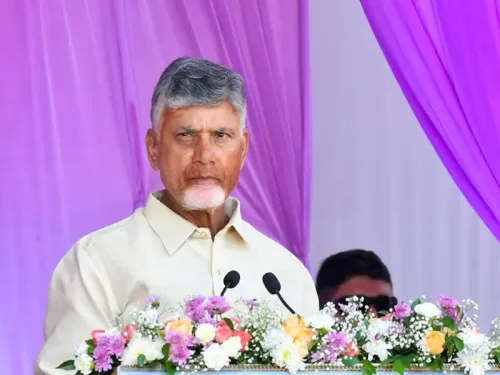
Following the 2024 Andhra Pradesh assembly elections, the TDP-BJP alliance government led by Chief Minister N. Chandrababu Naidu formally revived the capital development drive, with renewed focus on modern infrastructure and faster delivery. The post by a senior BJP Union Minister signals that the project continues to enjoy visible support at the national level.
Stakeholders and Impact
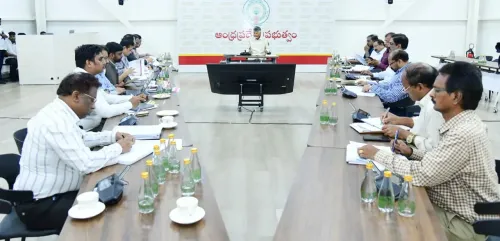
The most immediate beneficiaries of an integrated office and residential complex would be Andhra Pradesh state government employees, who have long operated from dispersed temporary facilities across Amaravati and nearby Vijayawada. Consolidating offices and residences in one planned zone is expected to cut inter-departmental travel time and improve day-to-day administrative coordination.
For the thousands of Andhra Pradesh landowners who surrendered agricultural land under the pooling scheme, visible progress on the capital carries significant economic and emotional weight. Urban developers and infrastructure contractors are also closely watching tendering activity for the integrated complex.
What's Next
Attention will now turn to the pace of central funding support, the progress of tendering for the integrated office complex, and any legislative steps in the Andhra Pradesh assembly related to land acquisition or development timelines. The alignment between the state government and Union Ministers like Vaishnaw suggests the project is unlikely to face political headwinds at the national level in the near term.
How quickly the physical infrastructure takes shape will be the clearest indicator of whether the 'future-ready capital' vision translates from political messaging into concrete urban reality for Andhra Pradesh.
Point of View
Reinforcing the TDP-BJP alliance's shared political stake in delivering a visible capital-city success story. The framing around 'integrated' infrastructure reflects a broader national template — seen in smart-city and administrative hub projects — where co-location is presented as a governance efficiency dividend. For the BJP, keeping Amaravati on track is as much about alliance management ahead of future electoral cycles as it is about urban policy. The emphasis on 'future-ready' language also positions the project within the government's wider digital and infrastructure modernisation narrative.
NationPress
26 Oct 2026
Frequently Asked Questions
What is the Amaravati capital project?
Amaravati is the planned capital city of Andhra Pradesh, designated after the state's bifurcation in 2014. The foundation stone was laid by Prime Minister Narendra Modi in 2015, and the project is being revived by the current TDP-BJP alliance government under Chief Minister N. Chandrababu Naidu.
Why did the Amaravati project face delays?
The project advanced through a land-pooling scheme between 2015 and 2019 but stalled significantly under the subsequent state government. Construction was largely paused for several years before the 2024 elections brought a new administration committed to revival.
What did Ashwini Vaishnaw say about Amaravati?
Union Minister Ashwini Vaishnaw posted on June 11, 2026, describing Amaravati as a 'future-ready capital' and highlighting plans for an integrated government office complex and a modern residential ecosystem to drive faster coordination and more efficient governance.
How does the integrated office complex help governance in Andhra Pradesh?
Co-locating government offices and residential facilities in one planned zone is expected to reduce inter-departmental travel, cut coordination delays, and improve the day-to-day functioning of the state administration, which has been operating from dispersed temporary facilities.
What is the land-pooling scheme connected to Amaravati?
Under the land-pooling scheme launched around 2015, farmers and landowners in the Amaravati region surrendered agricultural land to the government in exchange for developed plots within the new capital city. Thousands of acres were acquired this way, making progress on the capital a matter of direct economic concern for those families.