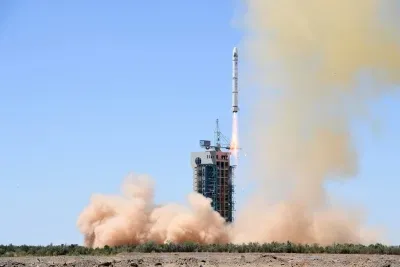
Vaishnaw Hails Vikram-1 Launch, India's Private Space Leap
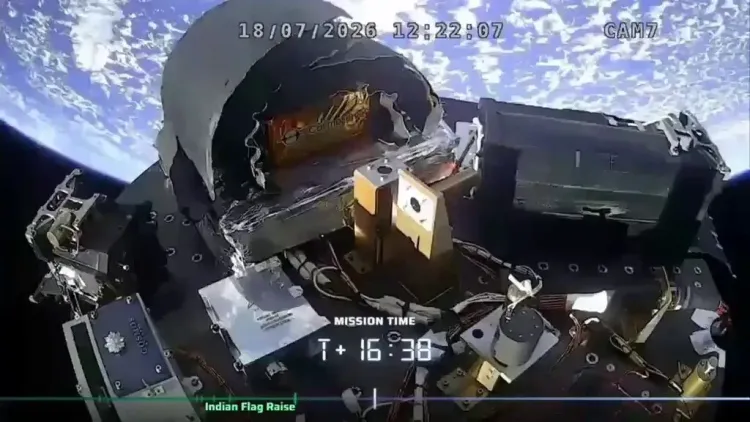
Synopsis
Union Minister Ashwini Vaishnaw on 18 July 2026 hailed the launch of Vikram-1 by Hyderabad's Skyroot Aerospace as a landmark for India's private space ambitions, reflecting six years of post-2020 space sector reforms and the Atmanirbhar push to build a competitive commercial launch industry.
Key Takeaways
Union Minister Ashwini Vaishnaw publicly congratulated Skyroot Aerospace on the Vikram-1 launch on 18 July 2026 .
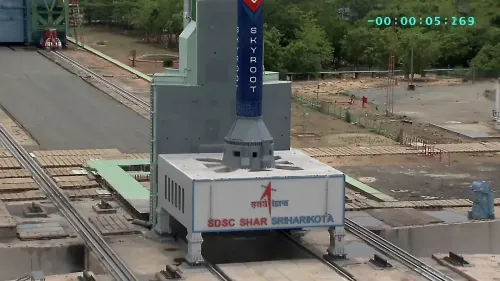
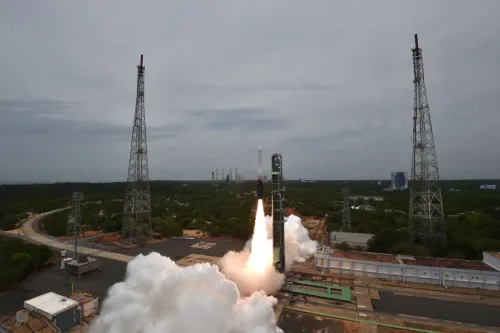
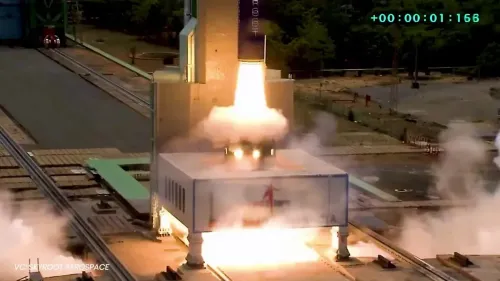
Vikram-1 is India's first privately developed orbital rocket, designed for small satellite launches to low Earth orbit.
The launch is a product of space sector reforms introduced in June 2020 that opened the sector to private players via IN-SPACe .
Skyroot Aerospace , founded in 2018 in Hyderabad , previously conducted India's first private rocket sub-orbital flight with Vikram-S in November 2022 .
The milestone strengthens India's position as a competitive destination for small-satellite launch services globally.
Peer firm Agnikul Cosmos and upcoming National Space Policy revisions are the next key developments to watch.
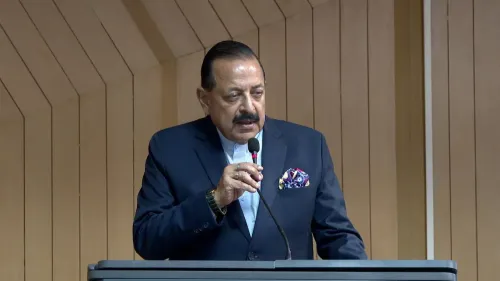
Union Minister Ashwini Vaishnaw on Saturday, 18 July 2026 congratulated Hyderabad-based Skyroot Aerospace on the launch of Vikram-1, calling it a landmark moment for India's private space sector. The minister's post on X celebrated the milestone as a new orbit for the country's commercial space ambitions.
Posting on X, Vaishnaw wrote: 'The sky was never the limit. Vikram-1 lifts India's private space ambitions to a new orbit. Congratulations to Skyroot Aerospace on this landmark launch!'
Context
Vikram-1 is India's first privately developed orbital rocket, built by Skyroot Aerospace, a startup founded in 2018 in Hyderabad. The vehicle is named after Vikram Sarabhai, the father of the Indian space programme, and is designed to carry small satellites to low Earth orbit. The launch marks a historic inflection point: for the first time, a rocket conceived, built, and operated entirely by a private Indian company has reached orbital ambition.
Policy Backdrop
The Vikram-1 launch is a direct outcome of space sector reforms announced by the Government of India in June 2020, which opened launch services, satellite manufacturing, and ground systems to private players. A key instrument of this shift was IN-SPACe — the Indian National Space Promotion and Authorisation Centre — set up to authorise and facilitate private participation in space activities. Prior to that, groundwork was laid between 2017 and 2020 when ISRO began allowing private use of its launch infrastructure and sharing technical know-how.
These reforms were part of the broader Atmanirbhar Bharat self-reliance push, aimed at reducing India's dependence on foreign launch services while increasing domestic launch cadence and driving down costs. The policy environment has since enabled multiple Indian startups — including Agnikul Cosmos alongside Skyroot — to progress from concept to hardware.
Stakeholders and Impact
The successful progression of Vikram-1 carries immediate significance for India's growing ecosystem of private satellite manufacturers and small-satellite constellation operators who need affordable, reliable domestic launch options. Reduced launch costs and higher cadence could make Indian orbital slots more competitive globally, attracting foreign small-satellite customers to book rides on Indian private rockets.
For Skyroot Aerospace, the milestone validates years of private investment and engineering effort. The company had earlier conducted a sub-orbital test with its Vikram-S rocket in November 2022 — India's first private rocket launch — making Vikram-1 the logical next step toward full orbital capability. Broader stakeholders include domestic and international satellite manufacturers, defence-adjacent earth-observation firms, and academic institutions seeking low-cost access to space.
What's Next
Attention will now turn to follow-on missions from Skyroot and peer companies such as Agnikul Cosmos, which is developing its own small-lift vehicle. Regulators at IN-SPACe are expected to issue updated authorisation frameworks as launch cadence increases. The government's forthcoming National Space Policy revisions may further ease foreign direct investment norms and technology-transfer rules to sustain the momentum generated by the Vikram-1 launch. India's ability to build on this moment will depend on how quickly the private sector can scale manufacturing and how swiftly the regulatory architecture adapts to a multi-player launch market.
Point of View
Not merely aspirational branding. For India's startup ecosystem, ministerial visibility of this kind translates into investor confidence and regulatory goodwill. The broader arc points toward a deliberate strategy of positioning India as a low-cost, high-cadence alternative in the global small-satellite launch market — a race where policy momentum is as critical as engineering.
NationPress
18 Jul 2026
Frequently Asked Questions
What is Vikram-1 and who built it?
Vikram-1 is India's first privately developed orbital rocket, built by Hyderabad-based startup Skyroot Aerospace. It is designed to carry small satellites to low Earth orbit and is named after space pioneer Vikram Sarabhai.
What did Ashwini Vaishnaw say about the Vikram-1 launch?
Union Minister Ashwini Vaishnaw posted on X on 18 July 2026 congratulating Skyroot Aerospace, saying 'The sky was never the limit' and calling the Vikram-1 launch a landmark for India's private space ambitions.
What is IN-SPACe and what role did it play?
IN-SPACe, the Indian National Space Promotion and Authorisation Centre, was set up after the 2020 space sector reforms to authorise and support private companies in space activities. It is the key regulatory body that enabled firms like Skyroot Aerospace to pursue orbital launches.
Has Skyroot Aerospace launched a rocket before Vikram-1?
Yes. Skyroot Aerospace conducted India's first private rocket launch in November 2022 with Vikram-S, a sub-orbital vehicle. Vikram-1 represents the company's step up to full orbital capability.
What are India's next milestones in private space?
Upcoming milestones include further missions by Skyroot Aerospace, orbital launch attempts by Agnikul Cosmos, and expected updates to India's National Space Policy that could ease foreign investment and technology-transfer rules for the sector.