Vaishnaw Pushes Container Rail for Fly Ash Freight
Synopsis
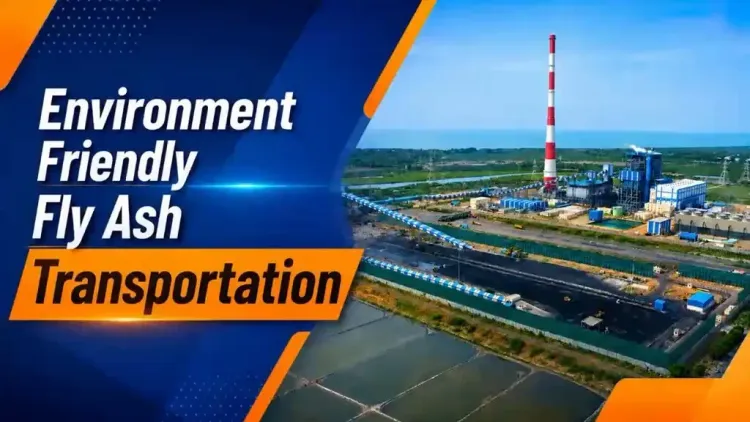
Union Minister Ashwini Vaishnaw on 14 July 2026 announced a 2026 railway reform to shift fly ash transportation to container-based rail movement, targeting reduced dust pollution and more sustainable freight handling — part of India's broader logistics modernisation and net-zero goals.
Key Takeaways
Union Minister Ashwini Vaishnaw announced a 2026 railway reform for fly ash transportation on 14 July 2026 .
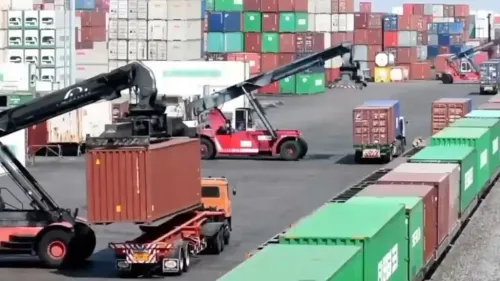
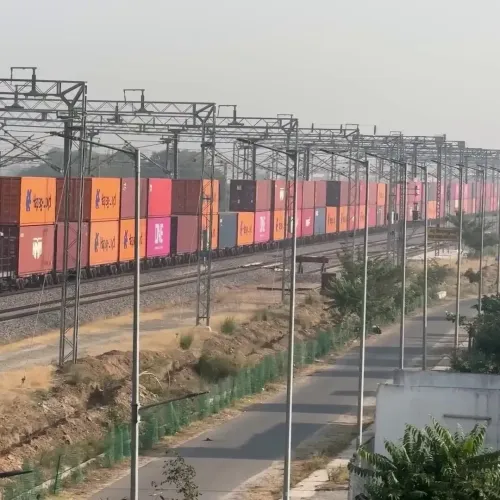
The reform introduces container-based rail transportation of fly ash, replacing open-wagon bulk handling.
Key goals include reduced environmental impact from dust pollution and more sustainable freight movement.
The initiative aligns with the National Logistics Policy 2022 and India's net-zero by 2070 climate target.
Primary beneficiaries include thermal power plants , the cement industry , and communities along freight corridors.
Rollout details, pilot projects, and supporting measures are expected in upcoming Railway Budget or freight policy announcements.
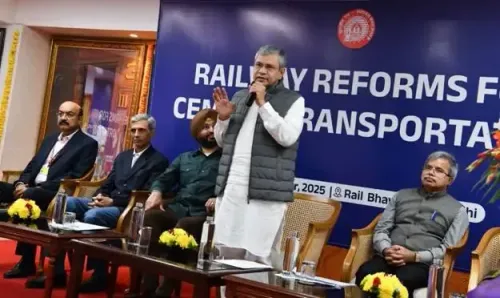
Union Minister Ashwini Vaishnaw on Tuesday, 14 July 2026 announced a railway reform aimed at making fly ash transportation cleaner and more efficient through container-based rail movement, signalling a shift away from open-wagon bulk handling of the industrial byproduct.
Context
Fly ash — the fine powder residue from coal combustion at thermal power plants — has historically been transported in open wagons, generating dust pollution along rail corridors and at loading points. The minister's post highlighted three pillars of the reform: container-based rail transportation, reduced environmental impact, and sustainable freight movement.
The shift to containerised handling addresses a longstanding grievance of communities near freight lines, where open fly ash wagons have been associated with particulate matter dispersal. Fly ash is also a key input for the cement and construction industries, making its efficient and clean transport commercially significant.
Policy Backdrop
Indian Railways has been pursuing a broader modal shift of bulk commodities from road to rail as part of India's net-zero by 2070 climate commitment and the National Logistics Policy of 2022, which targets lower logistics costs as a share of GDP. Container-based fly ash movement fits squarely within this framework by reducing both carbon emissions and road wear from heavy trucks.
The Dedicated Freight Corridors (DFC), whose first sections became operational in 2020 after approval in 2006, provided the backbone infrastructure for faster and higher-capacity freight movement. The DFC network enables specialised commodity handling — including industrial byproducts — at speeds and volumes not possible on the shared passenger-freight network.
Containerisation of bulk commodities such as fly ash also aligns with Indian Railways' ongoing push to grow its share of total freight tonne-kilometres, a metric the government has repeatedly cited as central to reducing overall logistics costs for industry.
Stakeholders and Impact
Thermal power plants are the primary generators of fly ash and stand to benefit from more predictable, lower-cost rail evacuation of the material, which must be disposed of or sold under environmental regulations. The cement industry, which uses fly ash as a partial substitute for clinker, gains a cleaner and potentially more reliable supply chain.
Rail freight operators and container leasing companies are also stakeholders, as containerisation opens a new commodity stream requiring specialised rolling stock and terminal infrastructure. For communities along freight corridors, the environmental upside is a reduction in airborne dust associated with open-wagon fly ash transit.
What's Next
The immediate focus will be on pilot projects and rollout timelines for container-based fly ash rakes, as well as any supporting policy measures that may follow in the next Railway Budget or freight policy update. Industry observers will watch whether the reform is accompanied by dedicated terminal development at major thermal power plant clusters and cement manufacturing hubs.
If scaled, the initiative could reshape how India handles one of its largest industrial waste streams by volume, with implications for both environmental compliance and the competitiveness of the construction materials sector.
Point of View
The Railways Ministry positions itself at the intersection of environmental compliance and logistics competitiveness — two policy priorities that have gained political salience ahead of India's climate commitments. The reform also signals continued investment in the commercial utility of the Dedicated Freight Corridor network, whose full value depends on attracting diverse commodity streams beyond traditional bulk goods. Whether this translates into measurable modal shift will depend on the pace of terminal infrastructure development and the tariff incentives offered to fly ash generators.
NationPress
14 Jul 2026
Frequently Asked Questions
What is the fly ash railway reform announced by Ashwini Vaishnaw?
Union Minister Ashwini Vaishnaw announced on 14 July 2026 that Indian Railways will shift fly ash transportation to container-based rail movement, replacing open wagons, to reduce dust pollution and improve freight sustainability.
Why is fly ash transported by rail in India?
Fly ash, a byproduct of coal combustion at thermal power plants, must be evacuated and sold or disposed of under environmental regulations. Rail transport is more cost-effective and less polluting than road haulage for large volumes.
What are the environmental benefits of container-based fly ash transport?
Containers seal fly ash during transit, preventing the dust dispersal associated with open wagons. This reduces particulate matter pollution along rail corridors and at loading and unloading points.
How does this reform relate to the Dedicated Freight Corridor?
The Dedicated Freight Corridor, operational since 2020, provides the high-capacity rail infrastructure that makes specialised container movement of industrial commodities like fly ash faster and more viable.
Which industries benefit from cleaner fly ash rail transport?
Thermal power plants gain reliable waste evacuation, the cement industry gets a cleaner supply of fly ash used as a clinker substitute, and communities near freight lines benefit from reduced dust pollution.