How Did Ashwini Vaishnaw Respond to Rahul Gandhi’s Concerns over the India-US Trade Deal?
Synopsis
In a heated exchange, Union Minister Ashwini Vaishnaw criticized Rahul Gandhi for questioning the implications of the India-US trade deal on agriculture. Rahul Gandhi's inquiries highlight significant concerns regarding agricultural imports and their potential effects on local farmers. This ongoing debate raises essential issues about transparency and the future of India's agricultural policies.
Key Takeaways
Ashwini Vaishnaw criticizes Rahul Gandhi 's understanding of trade.
Concerns about India-US trade deal and its impact on farmers.
Questions raised about GM crops and agricultural imports .
Need for transparency in trade agreements emphasized.
Potential risks to local agricultural systems highlighted.
New Delhi, Feb 16 (NationPress) Union Railway Minister Ashwini Vaishnaw has strongly rebuked Congress leader Rahul Gandhi for his latest post on the social media platform X, in which he voiced concerns regarding a potential India-US trade agreement concerning agricultural goods.
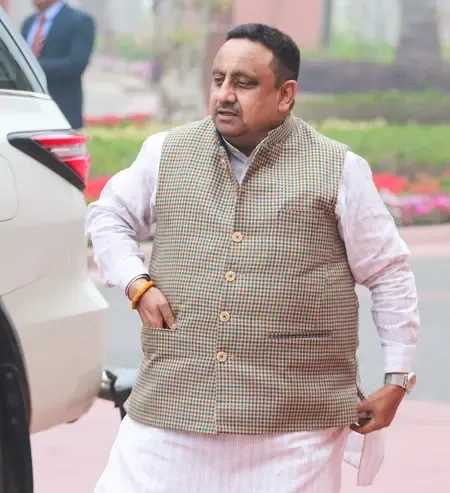
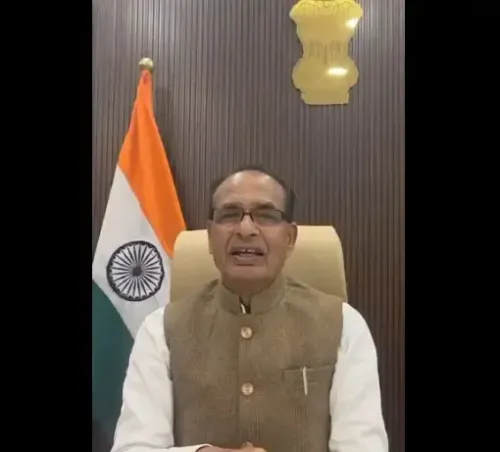
In response to Rahul Gandhi's inquiry aimed at Prime Minister Modi, Minister Vaishnaw stated on Sunday, "He has no understanding of trade or technology."
This exchange underscores the escalating political discourse surrounding India's trade strategies and their effects on local farmers.
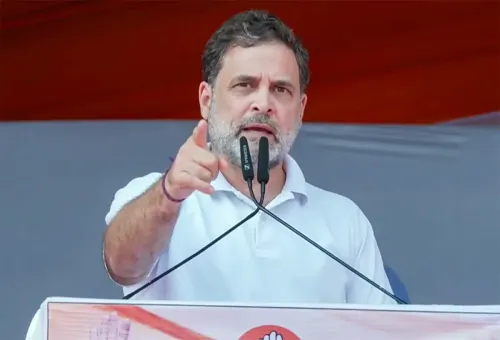
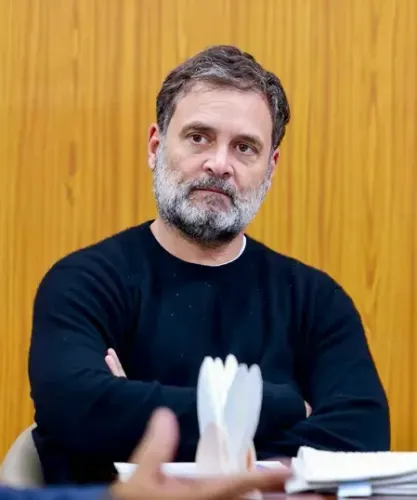
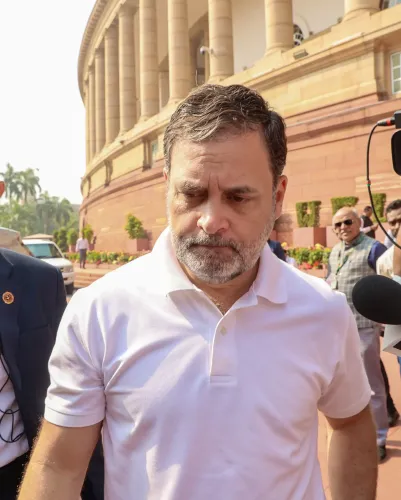
In his post on X, Rahul Gandhi posed what he termed "simple questions" to the Prime Minister about the "US trade deal."
He requested clarification on several issues that could significantly impact India's agricultural industry.
Initially, Rahul Gandhi questioned, "What does importing DDG truly signify? Will Indian cattle be fed distillers grain from genetically modified American corn? Does this mean a closer integration of our dairy sector with the US agricultural framework?"
He expressed apprehension that such imports could closely link India’s dairy industry to American agriculture, potentially undermining local independence.
In his second inquiry, Rahul Gandhi raised the issue of domestic farmers' welfare, stating, "If we permit imports of GM soya oil, what becomes of our soya farmers in Madhya Pradesh, Maharashtra, Rajasthan, and beyond? How are they expected to endure another price shock?"
He cautioned that cheaper imports could inundate the Indian market, decreasing prices and jeopardizing livelihoods in key soybean-producing states.
Rahul Gandhi’s third question addressed the ambiguity in the trade deal's terminology: "When you mention 'additional products,' what does that encompass? Does it indicate pressure to eventually open up sensitive crops like pulses to US imports?"
He suggested that this could progressively subject more Indian crops to international competition, weakening protections for vulnerable agricultural sectors.
He also sought clarity on broader implications: "What does the removal of 'non-trade barriers' entail? Will India be coerced into softening its stance on GM crops, weakening procurement, or compromising minimum support prices (MSP) and bonuses in the future?"
Rahul Gandhi highlighted the potential threats to minimum support prices and government procurement systems that ensure farmers' income stability.
Lastly, the Congress leader expressed concerns regarding future impacts, stating: "Once this pathway is established, how can we prevent it from expanding each year? Will there be safeguards, or will more crops be continually added to the negotiation table?"
Emphasizing the necessity for transparency, Rahul Gandhi concluded, "Farmers deserve clarity. This is not merely about the present. It’s about whether we are conceding another country a long-term influence over India’s agricultural framework."
As of now, neither the Prime Minister's Office nor the Ministry of Commerce has directly addressed Rahul Gandhi's inquiries.
Point of View
It's imperative to recognize the ongoing debate surrounding India's agricultural trade policies. The concerns raised by Rahul Gandhi reflect widespread apprehension among farmers regarding potential impacts on their livelihoods. This dialogue is essential for ensuring transparency and safeguarding local agricultural interests during international negotiations.
NationPress
24 Sept 2026
Frequently Asked Questions
What are the main concerns raised by Rahul Gandhi regarding the India-US trade deal?
Rahul Gandhi raised concerns about the implications of imports on Indian agriculture, questioning whether imports of GM crops and DDG could harm local farmers and affect India's dairy and soya industries.
How did Ashwini Vaishnaw respond to Rahul Gandhi's criticisms?
Ashwini Vaishnaw criticized Rahul Gandhi for his lack of understanding of trade and technology, suggesting that his questions were unfounded.
What are the potential risks of the India-US trade deal on Indian farmers?
The deal could lead to an influx of cheaper imports, which may drive down prices and threaten the livelihoods of farmers in key agricultural sectors.