VB-G RAM G scheme: Wages paid via DBT, ₹95,692 crore allocated for 2026-27
Synopsis
India's revamped rural employment guarantee — VB-G RAM G — is now backed by its largest-ever budget of ₹95,692.31 crore for 2026-27, with wages going straight to bank accounts via DBT. The new Act also extends the employment guarantee from 100 to 125 days per household, marking a structural shift in how rural livelihoods are supported.
Key Takeaways
The Rural Development Ministry has implemented NeFMS and DBT to credit VB–G RAM G scheme wages directly into beneficiaries' bank accounts.
The Centre has allocated ₹95,692.31 crore for 2026–27 — the highest-ever Budget Estimate for rural employment.
Including State share, the total programme outlay is expected to exceed ₹1.51 lakh crore .
The VB–G RAM G Act, 2025 came into force on 1 July 2026 , raising the employment guarantee from 100 days to 125 days per rural household annually.
Technology-enabled MIS and detailed SOPs are in place for real-time tracking and timely wage processing.
Minister of State Kamlesh Paswan made the disclosure in a written reply to the Rajya Sabha on 24 July .
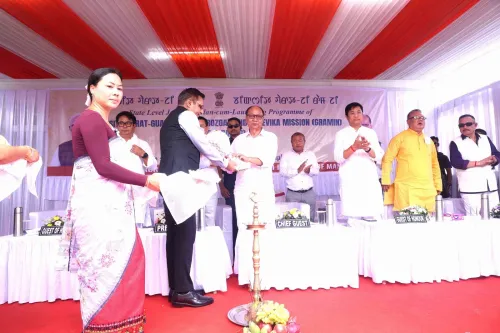
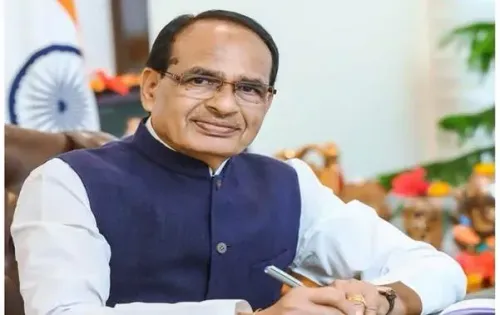
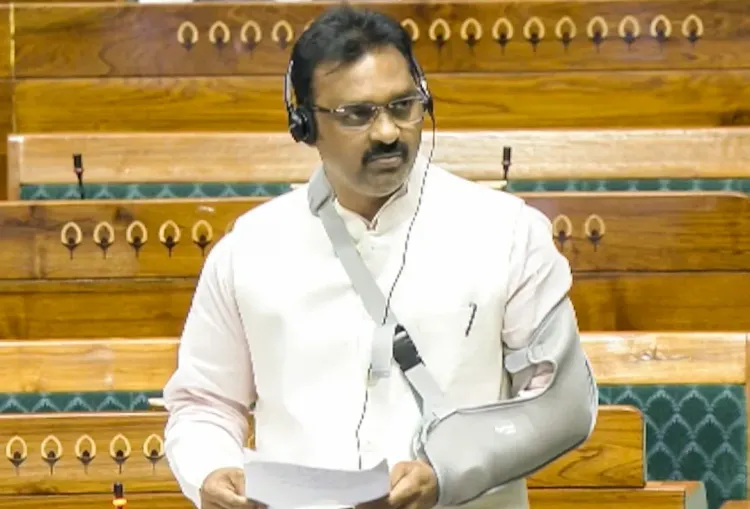
The Rural Development Ministry has deployed the National Electronic Fund Management System (NeFMS) and Direct Benefit Transfer (DBT) to ensure wages under the Viksit Bharat – Guarantee for Rozgar and Ajeevika Mission (Gramin), or VB–G RAM G, rural employment scheme are credited directly into beneficiaries' bank accounts, Parliament was informed on Friday, 24 July. The disclosure was made by Minister of State for Rural Development Kamlesh Paswan in a written reply to a question in the Rajya Sabha.
Budget Allocation and Outlay
For the financial year 2026–27, the Centre has provisioned a Central share of ₹95,692.31 crore for the scheme — the highest-ever Budget Estimate for rural employment in India. Including the corresponding estimated State share, the total programme outlay is expected to exceed ₹1.51 lakh crore, according to Minister Paswan's statement.
How Wage Payments Are Tracked
The Ministry has issued detailed Standard Operating Procedures (SOPs) prescribing timelines and responsibilities at each level for timely wage processing. Technology-enabled Management Information Systems (MIS) provide real-time monitoring of payment status and pendency at different stages. Regular review meetings are held with states and Jammu & Kashmir to resolve implementation bottlenecks swiftly.
What the VB-G RAM G Act Mandates
The Viksit Bharat – Guarantee for Rozgar and Ajeevika Mission (Gramin): VB–G RAM G Act, 2025 came into force on 1 July 2026 across all rural areas of the country. A key upgrade from the earlier framework is the enhancement of the statutory employment guarantee from 100 days to 125 days per rural household in a financial year.
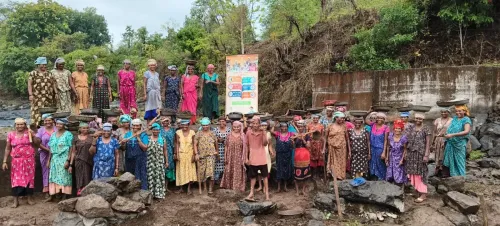
The Act also prioritises livelihood-related infrastructure and adopts a whole-of-government approach through convergence with agriculture, allied sectors, and other government programmes. It permits creation of assets such as Skill Development Centres, Rural Libraries, Digital Learning Centres, and other community infrastructure aimed at skilling and sustainable livelihoods.
Centre's Oversight Mechanism
The Ministry has deputed a large number of officers to states to review implementation and provide on-ground support. Funds are released to states and J&K based on actual demand and fulfilment of statutory and financial requirements, ensuring the programme runs without disruption, Minister Paswan stated. The government said it continuously reviews implementation in consultation with states and takes corrective measures as needed.
With the scheme now operational and the largest-ever rural employment budget in place, the Centre's next challenge will be ensuring that DBT transfers reach the last mile without delay — a persistent concern in past rural employment programmes.
Point of View
692.31 crore Central allocation is a headline-worthy number, but the harder question is delivery: India's rural employment programmes have historically struggled with wage delays, even when digital infrastructure existed on paper. The shift from 100 to 125 guaranteed days is a meaningful policy upgrade, yet its value depends entirely on whether the DBT pipeline works at scale across remote geographies. The deployment of ministry officers to states and real-time MIS monitoring are positive signals, but the Centre has not detailed what accountability mechanisms exist when states miss payment timelines — a gap that critics of past rural employment schemes have consistently flagged.
NationPress
23 Oct 2026
Frequently Asked Questions
What is the VB-G RAM G scheme?
VB–G RAM G stands for Viksit Bharat – Guarantee for Rozgar and Ajeevika Mission (Gramin), a rural employment guarantee scheme enacted under the VB–G RAM G Act, 2025. It came into force on 1 July 2026 across all rural areas of India, replacing and strengthening the earlier rural employment framework by extending the annual employment guarantee from 100 to 125 days per rural household.
How are wages paid under the VB-G RAM G scheme?
Wages are credited directly into beneficiaries' bank accounts through the National Electronic Fund Management System (NeFMS) and Direct Benefit Transfer (DBT). This system is designed to eliminate intermediaries and ensure timely, transparent payments.
What is the budget allocated for VB-G RAM G in 2026-27?
The Centre has allocated ₹95,692.31 crore as its share for the scheme in 2026–27, which is the highest-ever Budget Estimate for rural employment. Including the estimated State share, the total programme outlay is expected to exceed ₹1.51 lakh crore.
How does the government monitor wage payment delays?
The Ministry uses technology-enabled Management Information Systems (MIS) for real-time tracking of wage payments and pendency at different stages. Detailed Standard Operating Procedures (SOPs) have also been issued to set timelines and responsibilities, and regular review meetings are held with states and J&K.
What infrastructure can be built under the VB-G RAM G Act?
The Act permits creation of rural community assets including Skill Development Centres, Rural Libraries, and Digital Learning Centres. It adopts a whole-of-government approach by converging with agriculture, allied sectors, and other government programmes to promote skilling and sustainable livelihoods.