PoJK elections 2025: Deaths, protests as Islamabad tightens grip on region
Synopsis
PoJK's phased elections have turned into a flashpoint for deadly unrest, with the banned JAAC leading mass protests against a 12-seat refugee quota that critics say lets Islamabad handpick its own representatives. Dozens have reportedly died since June, the Human Rights Commission of Pakistan has condemned the crackdown, and India has called the entire exercise cosmetic — exposing a deep legitimacy crisis in the territory.
Key Takeaways
Deadly violence has been reported during PoJK's ongoing phased elections, with security forces accused of using excessive force against protesters.
Of 45 seats in the PoJK Legislative Assembly, 12 are reserved for Kashmiri refugees settled in Pakistan — a quota locals say gives Islamabad undue political control.
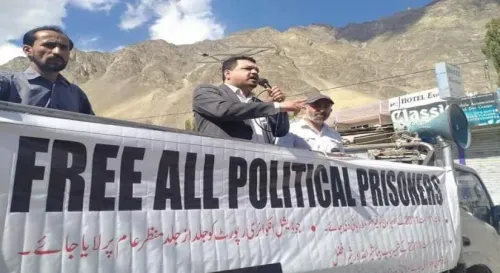
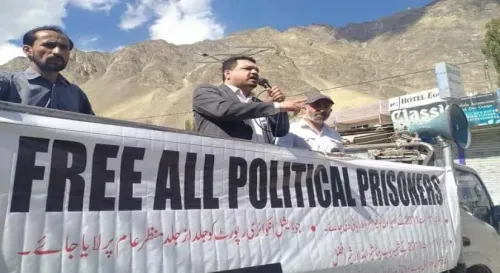
The Joint Awami Action Committee (JAAC) , banned under anti-terror laws, is leading demands for abolition of refugee seats, lower electricity tariffs, and an end to Islamabad's interference.
Dozens of people have reportedly died since June 2025 amid security crackdowns, internet shutdowns, and mass arrests.
The Human Rights Commission of Pakistan has condemned excessive force and called for independent investigations.
New Delhi has dismissed the elections as 'cosmetic' , reiterating that PoJK is Indian territory under illegal occupation.
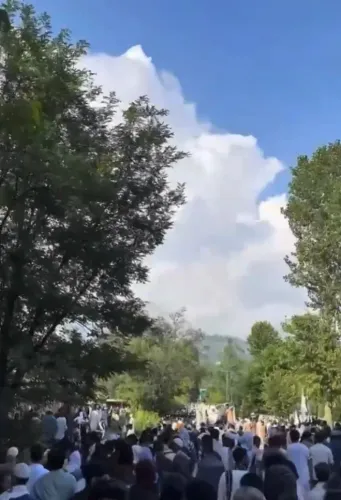
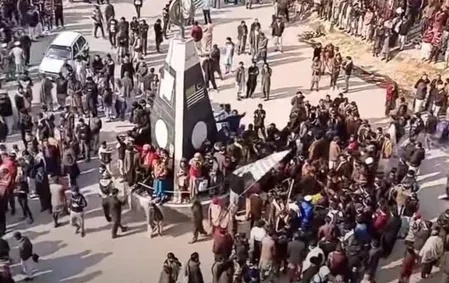
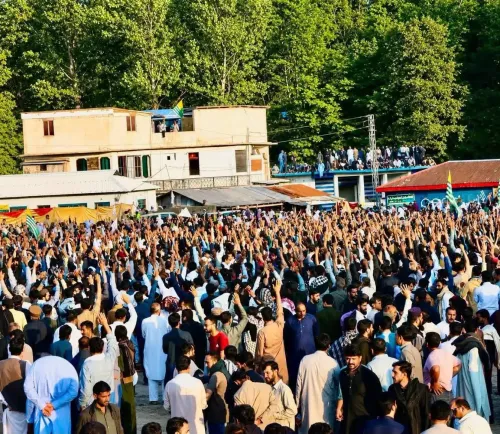
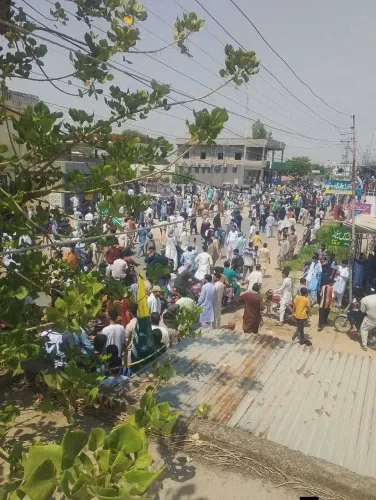
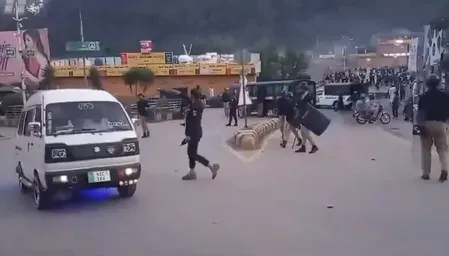
Deadly violence has erupted across Pakistan-occupied Jammu and Kashmir (PoJK) during the region's ongoing phased elections, with security forces reportedly using excessive force against protesters who have rejected the electoral process as illegitimate. The unrest, centred on a disputed 12-seat refugee quota in the PoJK Legislative Assembly, has deepened the crisis of democratic legitimacy in the territory, which India maintains is rightfully its own.
The Refugee Seats Controversy
Of the 45 seats in the PoJK Legislative Assembly, 12 are reserved for 'Kashmiri refugees settled in Pakistan', while the remaining 33 represent PoJK residents. Critics, including the Joint Awami Action Committee (JAAC), argue these constituencies grant disproportionate electoral weight to largely unverified, non-resident voters — effectively allowing Islamabad to install its own representatives and influence governance in the region. Locals contend the arrangement disrupts the democratic balance and entrenches Pakistan's centralised control over PoJK's political landscape.
JAAC: The Banned Voice of Dissent
Established in 2023, the JAAC is a coalition of civil society groups, lawyers, traders, students, and local activists that has rapidly become the most influential grassroots platform in PoJK. It has organised sit-ins, strikes, and long marches to Muzaffarabad to press its demands. Despite being banned under anti-terror laws, its leaders continue to mobilise supporters. The JAAC's core demands include the abolition of refugee seats, renegotiation of hydropower project revenues, lower electricity tariffs, higher subsidies on essentials such as flour, release of detained protesters, and an end to Islamabad's political interference in PoJK.
Electoral Control and Political Exclusion
The elections are dominated by Pakistan Muslim League-Nawaz (PML-N), the Pakistan Peoples Party (PPP), and allied parties, which many PoJK residents regard as proxies of Pakistan's central government rather than genuine representatives of local interests. The Imran Khan-led Pakistan Tehreek-e-Insaf (PTI) has boycotted the polls, and JAAC-led demonstrations have underscored the deep disconnect between the formal electoral process and grassroots aspirations. Low voter turnout and violent clashes have further exposed what residents describe as a crisis of legitimacy.
Economic Grievances Fuel Unrest
Beyond electoral politics, residents allege systemic economic exploitation. Hydropower generated within PoJK is reportedly exported to Pakistan while locals face high electricity tariffs. Soaring inflation and chronic shortages of flour and other essential commodities have compounded public anger. The JAAC has made these economic demands central to its platform, arguing that PoJK's natural resources should benefit its own people first.
India's Position and International Concern
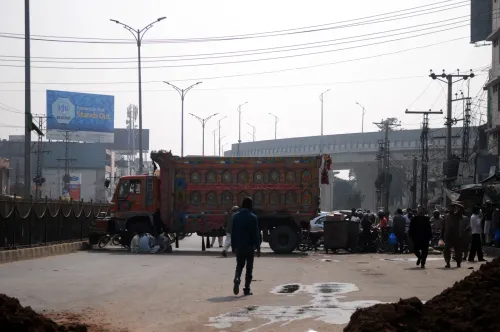
New Delhi has dismissed the elections as a 'cosmetic' exercise designed to mask what it describes as Pakistan's illegal and forced occupation of territory that rightfully belongs to India. The Human Rights Commission of Pakistan itself has condemned the use of excessive force against protesters and called for independent investigations. Islamabad, however, has responded with heavy security deployments, internet shutdowns, and mass arrests of activists. According to reports, dozens of people have died since June 2025 amid the crackdown. The cycle of repression and protest shows no sign of abating, with the JAAC vowing to sustain its campaign until its demands are addressed.
Point of View
Largely unverified voters whose loyalties are to Islamabad rather than the territory, the outcome is predetermined by design. What makes this cycle different is that the Human Rights Commission of Pakistan — not an external critic — has itself condemned the crackdown, stripping Islamabad of the usual deflection. The JAAC's durability despite a ban signals that repression is radicalising, not suppressing, local sentiment. India's 'cosmetic' framing is accurate as far as it goes, but the deeper story is that PoJK's residents are articulating a democratic deficit that neither Islamabad nor the international community has been willing to seriously address.
NationPress
30 Jul 2026
Frequently Asked Questions
Why are the PoJK elections in 2025 being called illegitimate by residents?
Residents and civil society groups argue the elections are illegitimate because 12 of 45 assembly seats are reserved for Kashmiri refugees settled in Pakistan — a quota they say allows Islamabad to install its own representatives and override local democratic will. Mainstream Pakistani parties dominate the process, while dissenting voices face suppression, arrests, and internet shutdowns.
What is the Joint Awami Action Committee (JAAC) and what does it want?
The JAAC, established in 2023, is a coalition of civil society groups, lawyers, traders, students, and activists that has become the leading grassroots platform in PoJK. It demands the abolition of refugee seats in the assembly, renegotiation of hydropower project revenues so locals benefit, lower electricity tariffs, higher subsidies on essentials, release of detained protesters, and an end to Islamabad's political interference.
How many people have died in the PoJK election unrest?
According to reports, dozens of people have died since June 2025 amid security crackdowns on protesters. The Human Rights Commission of Pakistan has condemned the use of excessive force and called for independent investigations into the deaths.
What is India's position on the PoJK elections?
New Delhi has dismissed the elections as a 'cosmetic' exercise used to conceal what it describes as Pakistan's illegal and forced occupation of territory that rightfully belongs to India. India has also highlighted Islamabad's violations of human rights in the region.
What are the economic grievances behind the PoJK protests?
Beyond electoral issues, PoJK residents allege that hydropower generated in their region is exported to Pakistan while locals pay high electricity tariffs. Soaring inflation and persistent shortages of flour and other essentials have further fuelled public anger, making economic reform a central demand alongside political autonomy.