West Bengal anti-social activities Bill 2026 passed by 176 votes in Assembly
Synopsis
West Bengal's BJP government has passed a sweeping public safety law that allows preventive detention for up to a year and property confiscation — two powers that go well beyond standard BNS provisions. With 176 votes in favour and an advisory board headed by a High Court judge as the lone safeguard, the Bill sets the stage for a significant legal and political battle in the state.
Key Takeaways
The West Bengal Assembly passed 'The West Bengal Public Safety & Control of Anti-Social Activities Bill, 2026' on 29 June 2026 .
176 BJP legislators voted in favour; 41 voted against and 20 abstained .
The Bill allows preventive detention for up to one year for individuals deemed a danger to public safety.
The state government gains power to confiscate property of persons involved in anti-social offences under BNS provisions.
An advisory board chaired by a Calcutta High Court judge will oversee detention decisions; detainees may appoint a representative.
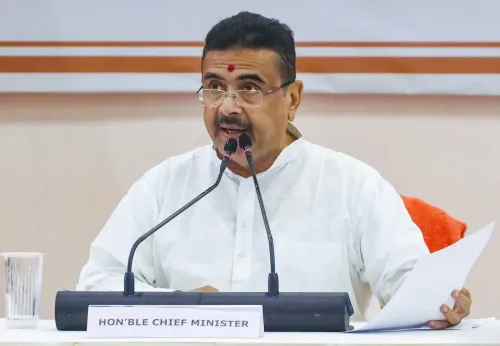
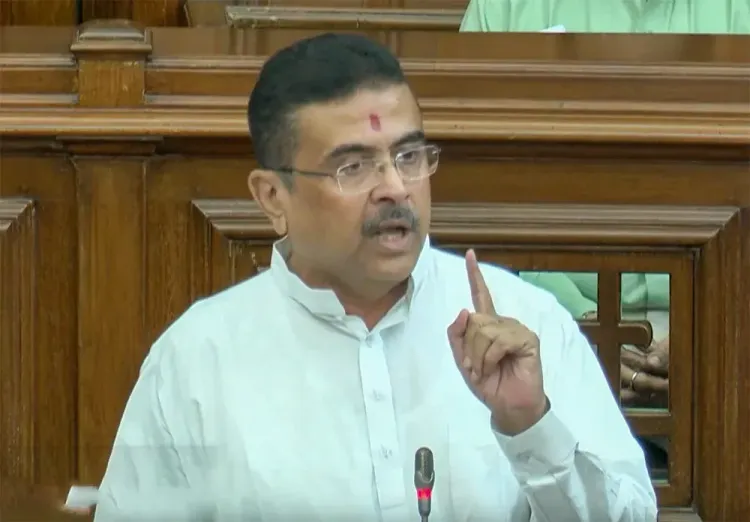
Chief Minister Suvendu Adhikari defended the Bill, saying preventive detention targets those with repeated criminal antecedents, not ordinary citizens.
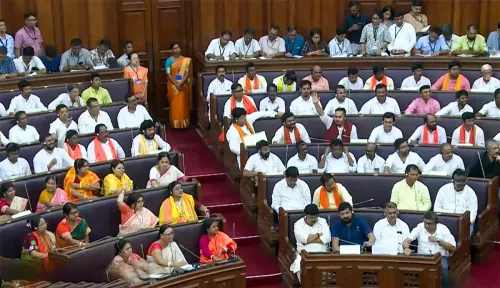
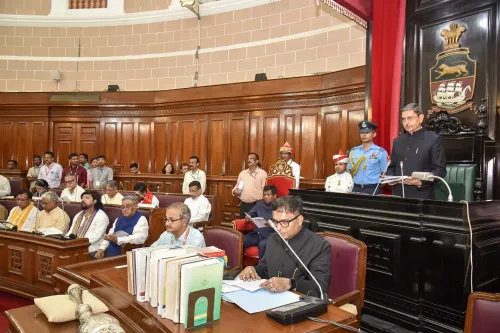
The West Bengal Assembly on Monday, 29 June 2026, passed 'The West Bengal Public Safety & Control of Anti-Social Activities Bill, 2026' by a clear majority, marking a significant shift in how the state intends to tackle corruption, hooliganism, and organised criminal behaviour. The Bill cleared the House with 176 votes in favour, all from the ruling Bharatiya Janata Party (BJP) camp, while 41 legislators voted against and 20 abstained.
Key Provisions of the Bill
The legislation sets itself apart from existing provisions under the Bharatiya Nyaya Sanhita (BNS), 2023 on two critical fronts. First, it enables preventive detention of up to one year for any individual identified as a danger to public safety. Second, it empowers the state government to confiscate property of persons found involved in anti-social offences by invoking the relevant BNS provisions.
The Bill also grants police the authority to expel or bar individuals from entering specific areas if there is reasonable apprehension that their presence could trigger unrest. Additionally, it extends legal protection to police personnel and government employees engaged in its enforcement.
Oversight Mechanism: The Advisory Board
To guard against potential misuse of preventive detention powers, the Bill mandates the constitution of an advisory board that will evaluate whether detention in each individual case is justified. The board will be chaired by a serving or retired judge of the Calcutta High Court and will include two additional members qualified to hold High Court judgeships. Critically, a detainee will retain the right to appoint a representative to argue their case before the board.
What the Chief Minister Said
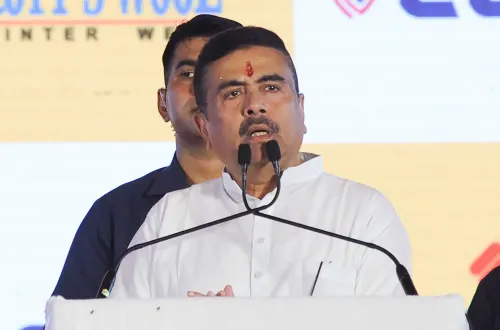
Chief Minister Suvendu Adhikari, speaking on the floor of the Assembly, justified the need for the Bill by citing incidents of hooliganism and violence that he attributed to the previous government led by Mamata Banerjee and the All India Trinamool Congress (TMC). Addressing concerns over preventive detention, Adhikari said the provision is not intended for 'gentlemen' but for individuals with repeated criminal antecedents.
Political and Legal Context
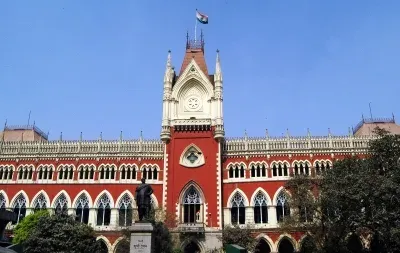
The passage of the Bill comes amid a broader national conversation around state-level public order legislation and the scope of preventive detention laws. Critics and opposition legislators — who voted against or abstained — are likely to contest the Bill's scope, particularly the property confiscation clause and the breadth of the preventive detention provision. Notably, preventive detention laws have historically faced scrutiny in Indian courts over due process concerns, making the advisory board mechanism a key safeguard to watch. The Bill now awaits gubernatorial assent before it can be enacted into law.
Point of View
But a board constituted by the same government that orders detention is a thin firewall. The BJP's framing of the law as a corrective to TMC-era lawlessness is politically potent, but it also means the legislation will be read through a partisan lens from day one. The real test will come in the Calcutta High Court, where challenges are almost certain, and in whether the advisory board functions with genuine independence.
NationPress
28 Sept 2026
Frequently Asked Questions
What is the West Bengal Public Safety & Control of Anti-Social Activities Bill, 2026?
It is a state law passed by the West Bengal Assembly on 29 June 2026 that aims to curb corruption, hooliganism, and organised anti-social behaviour. It introduces two major powers not covered under existing BNS provisions: preventive detention for up to one year, and state authority to confiscate property of offenders.
How did the voting go in the West Bengal Assembly?
The Bill was passed with 176 votes in favour — all from the ruling BJP camp. A total of 41 legislators voted against it, while 20 abstained from voting.
What safeguards exist against misuse of preventive detention under the new Bill?
An advisory board, chaired by a serving or retired Calcutta High Court judge and comprising two other members qualified as High Court judges, will assess whether detention in each case is justified. The person detained is entitled to appoint a representative to argue their case before the board.
Who will be affected by the new law?
The law targets individuals identified as a danger to public safety, particularly those with repeated criminal antecedents. Chief Minister Suvendu Adhikari stated the preventive detention provision is not aimed at ordinary citizens but at habitual offenders. Police also gain powers to bar individuals from specific areas to prevent unrest.
What happens next after the Bill's passage?
The Bill requires gubernatorial assent before it can be enacted into law. Legal challenges before the Calcutta High Court are widely anticipated, particularly over the preventive detention and property confiscation provisions.