Calcutta HC admits PIL challenging Bengal anti-social activities law 2026
Synopsis
Hours after the West Bengal Public Safety and Control of Anti-Social Activities Act, 2026 came into force, a CPI(M) advocate moved the Calcutta High Court to stay it — zeroing in on a clause that lets police detain anyone deemed a public danger for up to a year. The court has admitted the PIL, setting up a high-stakes constitutional test for a law the BJP government says targets criminals but critics fear could silence dissent.
Key Takeaways
A PIL was filed at the Calcutta High Court on 13 July challenging the West Bengal Public Safety and Control of Anti-Social Activities Act, 2026 , hours after it came into force.
Petitioner Sabyasachi Chattopadhyay , advocate and CPI(M) leader, has sought an immediate stay on the law.
The PIL targets a provision allowing preventive detention of up to one year for individuals deemed a threat to public safety.
The Act also empowers a District Magistrate or senior police officer to issue externment orders removing individuals from an area for up to one year .
The Calcutta HC has admitted the PIL; the first hearing is expected during the current week.
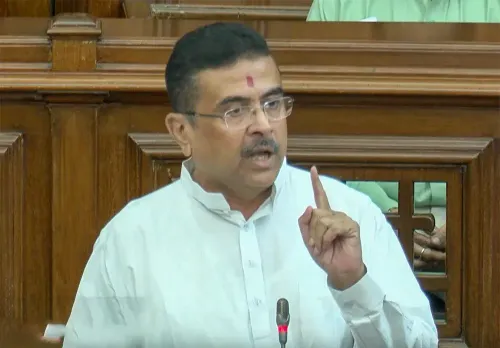
Chief Minister Suvendu Adhikari has maintained the law will not affect law-abiding citizens and targets only proven anti-social elements.
The Calcutta High Court on Monday, 13 July admitted a Public Interest Litigation (PIL) challenging the newly enacted West Bengal Public Safety and Control of Anti-Social Activities Act, 2026, which came into force in the early hours of the same day. The petition seeks an immediate stay on the law, which grants authorities sweeping powers of preventive detention and externment against individuals deemed a threat to public order.
Who Filed the PIL and What It Seeks
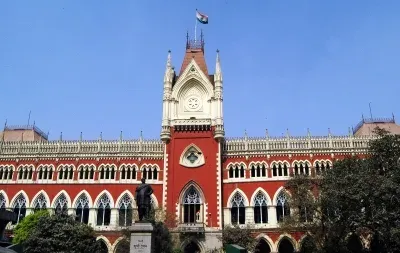
Advocate and Communist Party of India (Marxist) [CPI(M)] leader Sabyasachi Chattopadhyay moved the petition before a Division Bench comprising Acting Chief Justice Tapabrata Chakraborty and Justice Partha Sarathi Chatterjee. Chattopadhyay has pleaded for an immediate stay on the legislation pending the court's scrutiny. The matter has been admitted and is expected to come up for its first hearing during the current week, though an exact date is yet to be finalised.
The Contested Provision: One-Year Preventive Detention
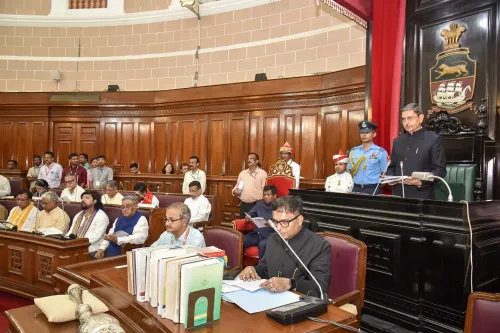
The PIL's central challenge targets a provision that empowers the police administration to hold any individual identified as a danger to public safety under preventive detention for up to one year. The petition highlights the risk of misuse of this detention power, a concern that had already been raised by opposition parties and segments of civil society when the Bill was debated in the West Bengal Legislative Assembly last month. The law received the assent of Governor R.N. Ravi before coming into force.
Externment Orders: The Other Flashpoint
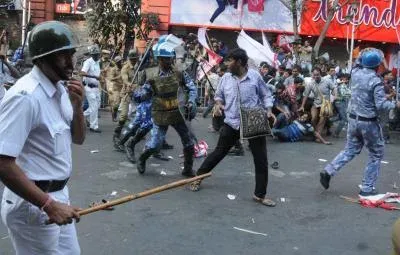
Beyond detention, the Act also introduces an 'externment order' mechanism. Under this provision, a District Magistrate or a police officer of the rank of Superintendent or above can direct a known criminal or troublemaker to leave a specific area or an entire district for a period not exceeding one year, if they determine the individual poses a risk of inciting unrest. Critics argue this discretionary power, combined with the detention clause, creates conditions ripe for political misuse.
Government's Defence of the Law
The ruling Bharatiya Janata Party (BJP) has defended the legislation, arguing that the preventive detention provision includes procedural safeguards. According to the government's position, detention can only be effected after a detailed process in which the individual concerned is given adequate opportunity to defend himself through legal counsel before an advisory board constituted to assess the reasonableness of the detention order. Chief Minister Suvendu Adhikari had earlier stated that law-abiding citizens have nothing to fear, asserting the law targets only proven anti-social elements, history-sheeters, rowdy elements, and individuals with established charges of corruption.
What Happens Next
The Calcutta High Court's decision on the stay application will be closely watched, as it could temporarily suspend a law that came into force just hours before the PIL was filed. Opposition parties and civil liberties groups are expected to rally behind the petition. How the Division Bench weighs the government's procedural-safeguards argument against the petitioner's misuse concerns will set the tone for a broader constitutional debate over preventive detention laws in India.
Point of View
But India's history with preventive detention laws shows that advisory boards rarely function as robust checks on executive overreach. More telling is that the law's scope — covering 'anti-social elements' and 'rowdy elements' — relies on categories that are inherently subjective and have historically been stretched to cover political opponents. The Calcutta High Court's ruling on the stay will matter beyond Bengal: it will add to a growing body of judicial opinion on how far state governments can go in the name of public order without encroaching on fundamental rights.
NationPress
12 Oct 2026
Frequently Asked Questions
What is the West Bengal Public Safety and Control of Anti-Social Activities Act, 2026?
It is a state law that came into force on 13 July 2026, aimed at curbing corruption, anti-social behaviour, and rowdy activities in West Bengal. Its most contested provisions allow preventive detention of up to one year and externment orders directing individuals to leave a district for up to one year.
Why has the PIL been filed against the new West Bengal law?
The PIL challenges the law's preventive detention clause, which allows police to hold any individual identified as a public safety threat for up to a year without a criminal conviction. The petitioner argues this provision is prone to misuse and could be deployed against political opponents or ordinary citizens.
Who filed the PIL and before which bench?
Advocate and CPI(M) leader Sabyasachi Chattopadhyay filed the PIL before a Division Bench of the Calcutta High Court comprising Acting Chief Justice Tapabrata Chakraborty and Justice Partha Sarathi Chatterjee.
When will the Calcutta High Court hear the PIL?
The PIL has been admitted and is scheduled to be heard during the current week. The exact date for the first hearing had not been finalised as of 13 July 2026.
What is the BJP government's defence of the preventive detention provision?
The BJP has argued that the detention provision includes procedural safeguards: the individual concerned must be given a fair opportunity to defend himself through legal counsel before an advisory board that assesses whether the detention is reasonable. Chief Minister Suvendu Adhikari has said law-abiding citizens have nothing to fear from the law.