Bhupender Yadav: Fast-track courts for paper leak accused
Synopsis
Union Environment Minister Bhupender Yadav cited PM Modi's pledge of fast-track court trials and maximum punishment for paper leak offenders on 24 July 2026, urging Congress and the full opposition to engage in parliamentary debate rather than politicise the issue.
Key Takeaways
Union Minister Bhupender Yadav posted on 24 July 2026 citing PM Modi's commitment to fast-track court proceedings for paper leak accused.
The government has pledged 'the harshest possible punishment' for those found guilty of paper leaks.
The Public Examinations (Prevention of Unfair Means) Act, 2024 already provides for up to 10 years' imprisonment and heavy fines for paper leak offences.
Fast-track courts , established nationally since 2000 , have been used for serious criminal cases including corruption and sexual violence.
Yadav called on Congress and the broader opposition to participate in parliamentary debate instead of politicising the issue.
State-level implementation and federal coordination remain key challenges in prosecuting multi-jurisdictional paper-leak networks.
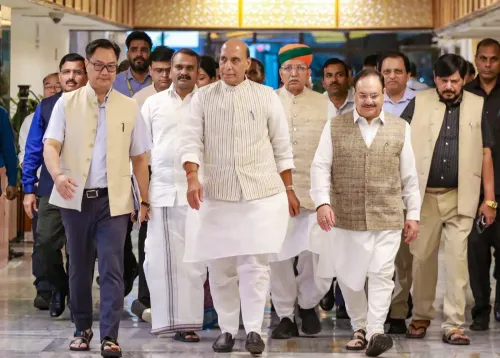
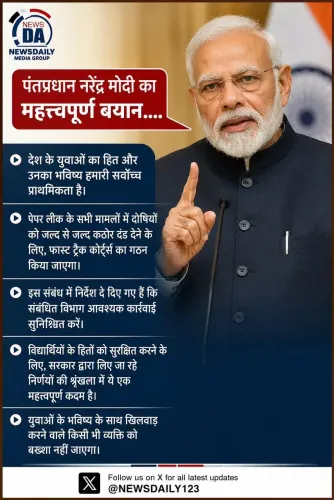
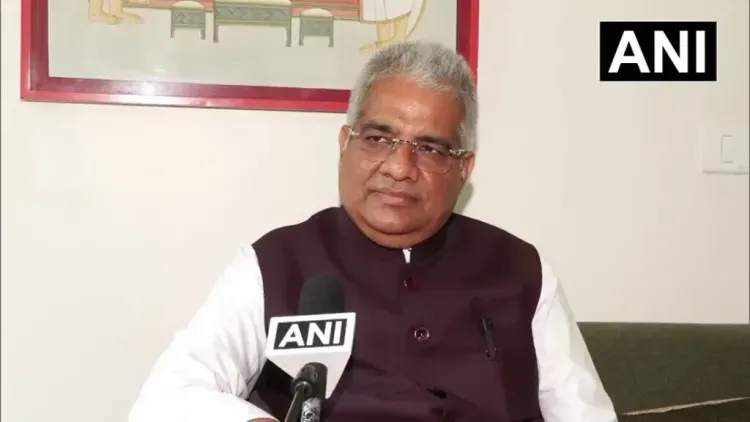
Union Environment Minister and senior BJP leader Bhupender Yadav on Friday, 24 July 2026, cited a public commitment by Prime Minister Narendra Modi that those found guilty in paper leak cases will face swift trials through fast-track courts and the strictest possible punishment, while calling on the Congress and the broader opposition to engage in parliamentary debate rather than political point-scoring on the issue.
Context
Posting in Hindi on X, Yadav quoted the Prime Minister as having 'clearly stated' — spasht kaha hai — that fast-track courts will conduct expedited hearings against those guilty of paper leaks and that 'all necessary steps will be taken to ensure the harshest possible punishment.' The post reflects the government's effort to signal urgency and judicial resolve on an issue that has agitated students and families across the country.
Yadav's post also carried a direct challenge to the opposition: 'Congress, along with the entire opposition, should participate in Parliament's discussion on this serious matter instead of doing politics.' The statement frames examination integrity as a subject deserving legislative seriousness, not electoral ammunition.
Policy Backdrop
The government's stated position rests on an existing legal architecture. Parliament enacted the Public Examinations (Prevention of Unfair Means) Act, 2024, which prescribes penalties of up to ten years' imprisonment and heavy fines for paper leaks and organised cheating in public examinations. The law was designed specifically to deter syndicated malpractice targeting high-stakes recruitment and entrance tests.
Fast-track courts were first established nationally in 2000 under the Eleventh Finance Commission to cut through the backlog of serious criminal cases. They have since been extended to additional categories of offences, including sexual violence and corruption, and the government's current position suggests paper-leak cases could be channelled through similar dedicated benches.
Successive governments have responded to recurring paper-leak scandals by tightening criminal penalties and strengthening investigative mandates. The pattern — legislative action paired with calls for inter-party consensus — is consistent with how the Centre has handled examination malpractice controversies in the past.
Stakeholders and Impact
Students appearing for competitive examinations — from central recruitment tests to national entrance assessments — stand to benefit most if fast-track proceedings translate into credible deterrence against leak networks. The credibility of public examinations has a direct bearing on millions of aspirants who invest years preparing for government jobs and professional courses.
The Indian National Congress and allied opposition parties are the explicit targets of Yadav's criticism. By urging them to join parliamentary debate, the BJP is attempting to shift the political narrative from accountability for past leaks toward a shared legislative response. Opposition parties have generally demanded independent investigations and accountability from the ruling party rather than co-ownership of government-led solutions.
State governments also carry implementation responsibility, since many paper-leak cases involve state-level recruitment boards. Federal coordination between central agencies and state police forces remains a recurring challenge in prosecuting leak syndicates that operate across jurisdictions.
What's Next
Parliamentary proceedings will be closely watched for any supplementary legislation or dedicated funding to establish fast-track benches specifically for examination-fraud cases. The government's ability to demonstrate actual prosecutions — not merely legislative intent — under the 2024 Act will determine whether the political pressure translates into systemic change. If fast-track court notifications for paper-leak cases are issued, they would mark a concrete escalation beyond the existing statutory framework and set a precedent for how India handles organised examination fraud going forward.
Frequently Asked Questions
What did PM Modi say about paper leak cases and fast-track courts?
According to Union Minister Bhupender Yadav's post on 24 July 2026, PM Modi stated that fast-track courts will conduct expedited hearings against those guilty of paper leaks and that all necessary steps will be taken to ensure the strictest possible punishment.
What is the Public Examinations (Prevention of Unfair Means) Act, 2024?
It is a central law enacted in 2024 that prescribes penalties of up to ten years' imprisonment and heavy fines for paper leaks and organised cheating in public examinations in India.
What are fast-track courts in India?
Fast-track courts are specialised judicial bodies established in India since 2000 to expedite trials in serious criminal cases; they have been applied to offences including sexual violence and corruption, and the government has indicated paper-leak cases could be similarly channelled.
Why did Bhupender Yadav criticise the opposition over paper leaks?
Yadav said Congress and the entire opposition should participate in parliamentary debate on the paper leak issue rather than engaging in politics, arguing the matter deserves legislative seriousness over electoral point-scoring.
How do paper leak cases get investigated in India?
Paper leak cases are investigated by state police and, in some instances, central agencies; prosecution falls under laws such as the Public Examinations (Prevention of Unfair Means) Act, 2024, though coordination between central and state authorities remains a challenge.